




The Maverick of Seventh Avenue
Before Geoffrey Beene became a celebrated name, he was Samuel Albert Bozeman Jr. from Louisiana, a pre-med student at Tulane University who reportedly sketched gowns in his anatomy textbooks. This early intersection of body mechanics and artistic flair
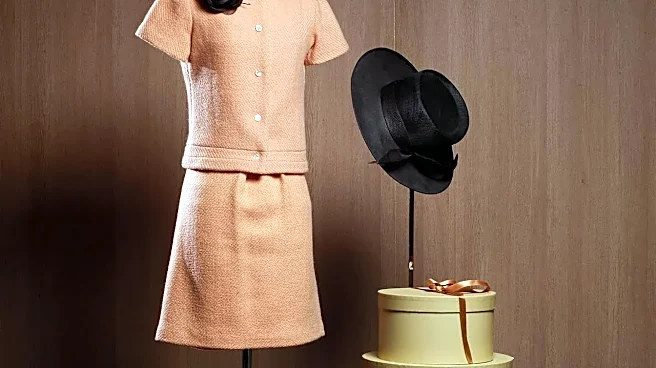
would define his career. After abandoning medicine for fashion and training in New York and Paris, he launched his own label in 1963. At a time when Parisian couture dictated rigid, structured clothing, Beene was an American original. He wasn’t interested in dressing women in stiff, formal armor. Instead, he wanted to give them freedom, comfort, and a touch of wit. He was a nonconformist who challenged trends, earning him a reputation as a designer’s designer, revered for his technical skill and uncompromising vision.
More Than a Garment, a Philosophy
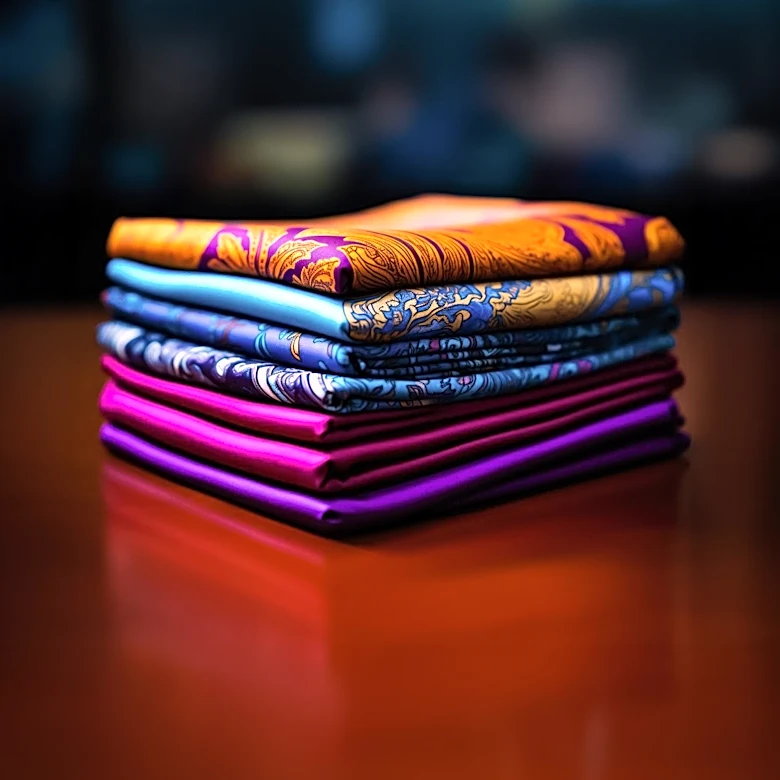
So what was his signature? While pieces like his sequined football jersey evening gown became iconic, his true signature was a philosophy: elevating humble materials to high fashion. In 1966, he shocked the establishment by creating ballroom gowns from grey flannel and wool jersey—fabrics typically reserved for menswear or casual daywear. This wasn’t just a stylistic choice; it was a democratic statement. Beene believed that luxury should be comfortable and that even the most elegant clothes should be practical enough for a woman to run for a bus in. He mixed “poor” and “rich” fabrics, proving that ingenuity and cut were more important than material cost. This approach laid the groundwork for what we now call American sportswear.
The Jumpsuit: High Fashion's Onesie
If one garment embodies Beene’s entire ethos, it’s the jumpsuit. Once a purely utilitarian item for factory workers and mechanics, Beene saw its potential for elegance and ease. He refined its silhouette, crafting body-contouring jumpsuits that were as appropriate for a daytime event as they were for an evening gala. He famously predicted that “jumpsuits are the ballgowns of the next century,” a statement that proved prophetic. By treating this simple, one-piece garment with the same respect as a couture gown—using impeccable tailoring and luxurious (or cleverly common) fabrics—he blurred the lines between casual and formal, workwear and eveningwear, in a way no one had before.
Fabric, Form, and Freedom
Beene's formal medical studies may have been brief, but his understanding of anatomy was profound. He designed clothes that moved with the body, not against it. He pioneered curved seams and geometric cuts, like triangles and circles, to create garments that fit without constriction. He was known for eliminating side seams, which he found unflattering, and for creating clothes that were often as beautiful on the inside as they were on the out. His use of wool jersey, which he called a “cure-all,” was revolutionary; the fabric draped beautifully, resisted wrinkles, and allowed for unrestricted movement. This focus on practicality and comfort was a radical departure from the corseted, confined silhouettes that dominated European fashion.
A Legacy Sewn into Modern Style
Geoffrey Beene’s influence is still felt on runways today. His daring mix of high and low materials, his elevation of sportswear concepts, and his focus on architectural simplicity have become staples of modern design. He was among the first American designers to launch a more accessible secondary line, Beene Bag, in 1971, prefiguring the diffusion lines that are now standard in the industry. His popular men's fragrance, Grey Flannel, launched in 1975, further cemented his brand's association with a specific kind of understated, intelligent style. Designers who once worked under him, like Alber Elbaz and Issey Miyake, went on to become legends in their own right, carrying forward his spirit of innovation.