




More Than Just a Suit
The NBA Draft is a threshold moment. A young man walks onto the stage as an amateur prospect and walks off as a multi-million-dollar professional, the face of a franchise’s hopes. Every element of that moment is scrutinized, but none more personally than
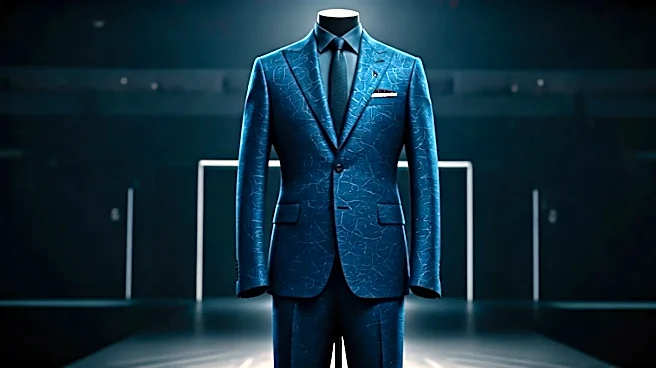
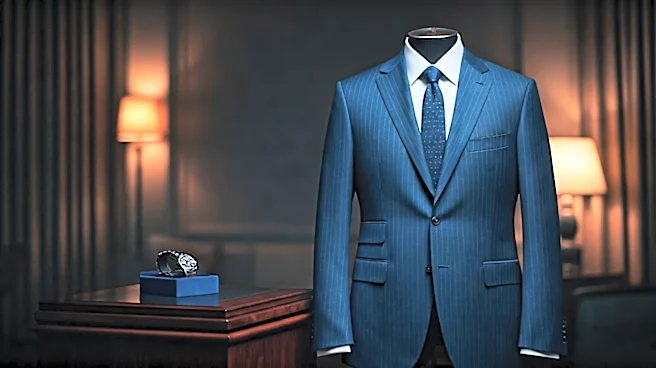
the outfit. It’s the first time they present themselves to the world not as a college kid in a team-issued sweatsuit, but as a brand. The suit, the shoes, the watch—it’s the first press release of their professional career, and it’s written in fabric, color, and cut. Is the player signaling quiet confidence with a classic navy two-piece? Are they announcing their arrival as a disruptive force with a bold, pattern-clashing ensemble? This isn’t just about looking good; it's about narrative control. In a world where athlete brands are billion-dollar enterprises, the draft night outfit is the cornerstone of the foundation.
The Original Statement Makers
This isn't a new phenomenon, but it has certainly evolved. Go back to the 1990s, when Jalen Rose and the Fab Five brought hip-hop culture’s swagger to the NCAA. Rose’s bold, red pinstripe suit at the 1994 draft was a direct continuation of that attitude. It was loud, unapologetic, and completely unforgettable. It screamed that he wasn't going to conform to the league’s conservative norms. A decade later, a rookie from Akron, Ohio, made a different kind of statement. LeBron James arrived at the 2003 draft in an all-white, double-breasted suit. It was oversized, very of-its-time, and widely debated. But the color choice was symbolic: pure, angelic, messianic. He was “The Chosen One,” and he dressed the part. The suit wasn't just a suit; it was a costume for the superhero everyone expected him to be.
The Rise of the Stylist
Today, the process is far more calculated. The modern NBA prospect often works with a high-fashion stylist for months leading up to the draft. Players like Shai Gilgeous-Alexander, Kyle Kuzma, and Jordan Clarkson have turned the pre-game tunnel walk into a personal runway, and that sensibility now starts on draft night. Stylists help players translate their personality and background into a coherent visual story. A custom-lined jacket might feature images of a player’s hometown or family members, a subtle nod to their journey. A specific color might be chosen to honor a mentor or a university. For example, when players wear a suit in the colors of the team they hope to be drafted by, it's a savvy, if sometimes risky, political move. This level of curation turns fashion into a tool for connection, giving fans and front offices a glimpse into the person behind the scouting report.
Personality in Every Stitch
Ultimately, the outfit is a window into a player’s psyche at a moment of immense pressure. Take the contrast between two top picks from the same class. One might opt for a perfectly tailored Tom Ford suit—a choice that signals maturity, seriousness, and an understanding of elite professionalism. He’s telling GMs and sponsors, “I’m a blue-chip investment.” Another might choose a custom-designed, brightly colored silk ensemble with no shirt underneath. He’s signaling something entirely different: audacious confidence, a creative spirit, and a refusal to be boring. Neither is right or wrong, but both are powerful declarations of identity. Even the memorable “misses”—like Joakim Noah’s infamous seersucker suit in 2007 or Drew Gooden’s velvet jacket made of couch-like material—tell a story. They communicate a willingness to take a risk, a certain quirkiness, or perhaps a charming lack of self-awareness that can be just as defining as a perfectly executed look.