
The Coat as a Finishing Piece
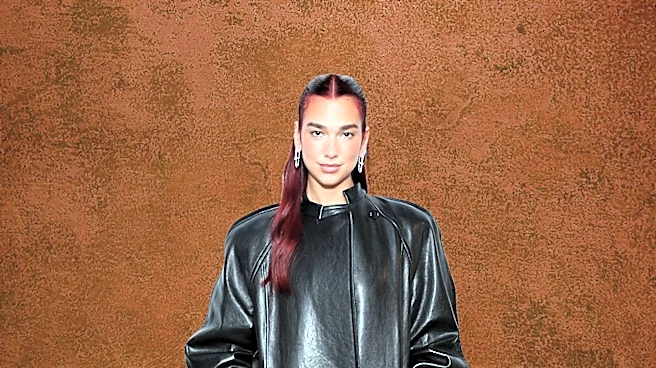
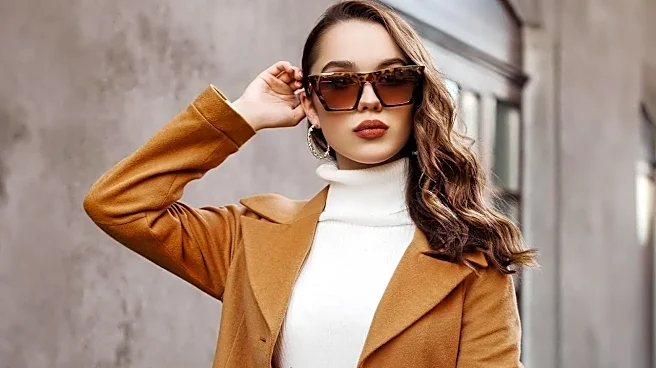
Wearing a coat indoors isn't about being cold; it's about treating your coat like a long-form blazer or a structured cardigan. The idea, seen in street style and on fashion-forward celebrities, is to use the coat as the final piece that pulls an entire
look together. Instead of being an afterthought for the commute, the coat becomes the main event. This works best when the coat offers something the rest of the outfit lacks, like a strong shoulder line, a luxurious texture, or a dramatic length that adds movement and presence. Think of it less as 'wearing a coat inside' and more as 'finishing your outfit with an intentional third piece'. It's a power move that communicates confidence and a deliberate approach to getting dressed.
Choose the Right Coat
This trend doesn't work with just any coat. A bulky, ultra-insulated puffer or a heavy, weatherproof parka will look out of place and quickly become uncomfortable. The key is to select lighter, more refined outerwear. Think of styles that function more like tailored garments. Ornate dusters in satin or velvet, often with faux-fur trims, are a perfect example. Long, fluid trench coats, unlined wool overcoats, and suede 'Penny Lane' style jackets with shearling collars also work beautifully. These pieces provide a silhouette without excessive bulk, allowing you to wear them comfortably for extended periods indoors. The goal is a coat that drapes and moves with you, rather than one designed solely to battle a snowstorm.
Keep the Under-Layers Simple and Slim
The secret to not overheating is to adjust what you wear underneath. If the coat is the star of the show, the base layers should be simple, thin, and streamlined. Skip the chunky knits and opt for a lightweight cashmere crewneck, a silk camisole, a fine-gauge turtleneck, or a classic cotton tee. This 'slim interior' rule ensures that the coat's intended silhouette is visible and prevents you from looking and feeling bulky. When your under-layers are light, the coat provides the structure and visual interest, and you can comfortably keep it on in a restaurant, a cool office, or at a gallery opening. It creates a balanced, intentional look rather than looking like you've just come in from the cold.
Styling Is Everything
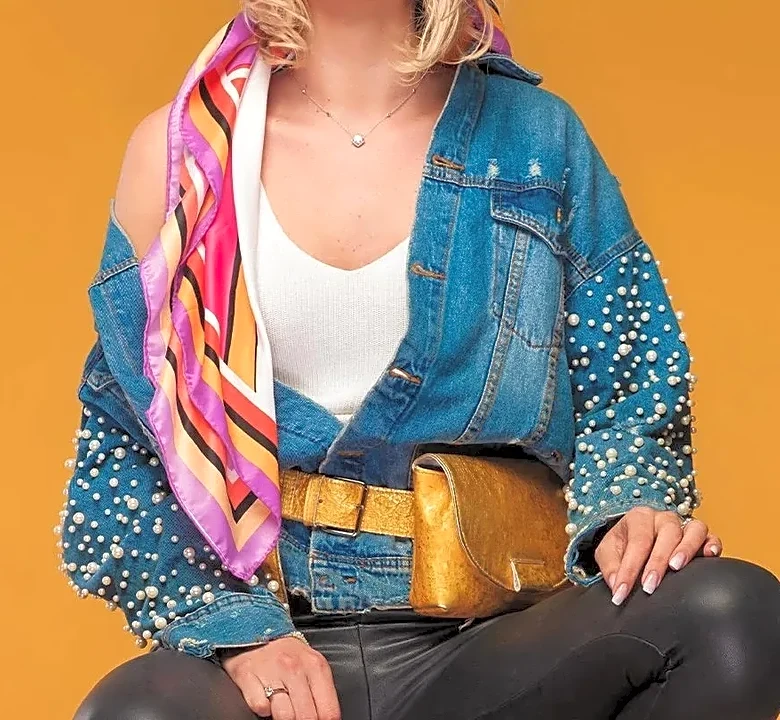
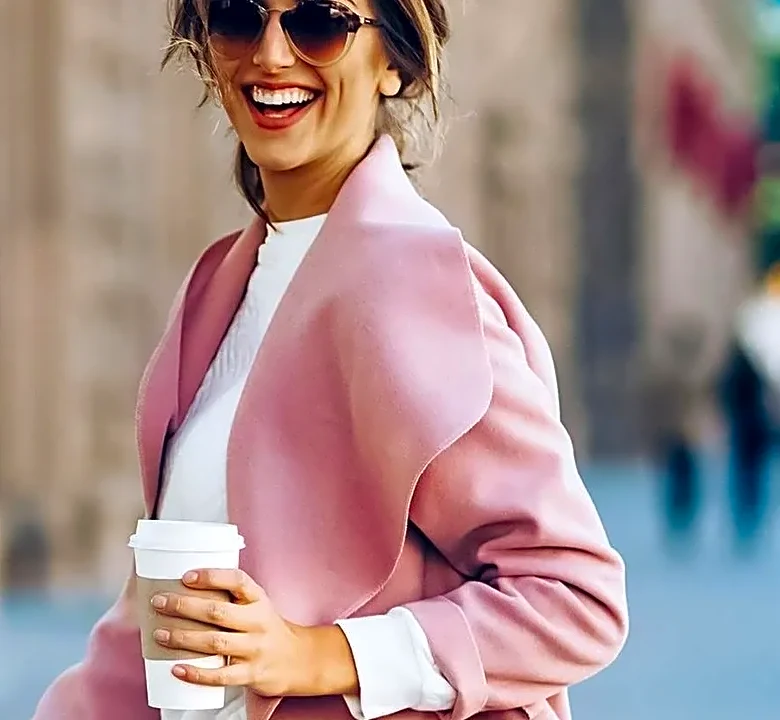
How you wear the coat matters as much as the coat itself. Leaving it open is often the most effective approach, as it creates long, vertical lines that frame the outfit underneath. Draping the coat over your shoulders is another classic styling trick that communicates an effortless, chic attitude. This works especially well for events, as it shows off your full outfit while still incorporating the coat's color and texture. For belted coats, using the belt is non-negotiable; it activates the coat's intended silhouette and gives it a sense of purpose. You can also push up or cuff the sleeves to reveal a glimpse of your shirt or a stack of bracelets, a small detail that signals you're settled in and the coat is part of the look.
Know When and Where It Works
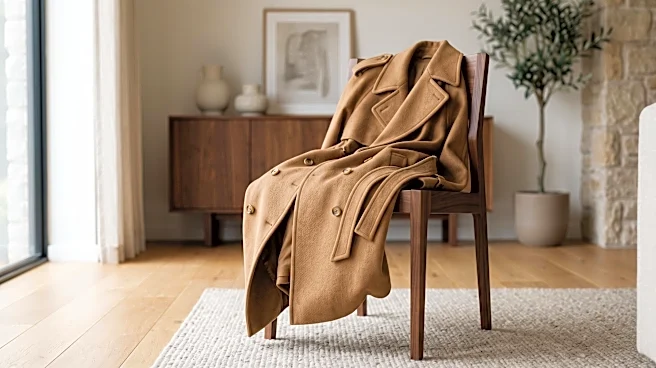
This is not a look for every situation. Wearing a coat indoors is a conscious style choice, not a practical necessity, so context is key. It's ideal for environments that are spacious and on the cooler side: drafty lofts, art galleries, museums, hotel lobbies, and many modern office spaces with powerful air conditioning. It also works perfectly for dinners out, where you might drape your coat over the back of your chair or even keep it on if the restaurant is chilly. However, it's best to avoid this look in a crowded, overheated house party or a small, stuffy room. The goal is to look chic and intentional, not like you're stubbornly refusing to get comfortable.