





The Science of a Shared Laugh
There’s a reason you’re up to 30 times more likely to laugh out loud while watching a movie with others than when you're alone on your couch. It’s a phenomenon known as emotional contagion. Our brains are wired for social connection, and laughter is a primary
tool for bonding. When we hear the first few chuckles ripple through a dark theater, our own mirror neurons begin to fire, priming us to join in. In a packed festival hall, this effect is magnified a hundredfold. A single giggle can cascade into a wave of roaring laughter, creating a powerful feedback loop. The shared experience turbocharges our emotional responses, making funny moments feel funnier and creating a sense of unity among hundreds of strangers.
An Audience Primed to Perform
A TIFF audience isn't just any crowd; it's a self-selected group of cinephiles, critics, and industry insiders who are famously audience-driven and receptive. They’ve often waited in line, paid a premium, and organized their lives around being in that specific seat for a world premiere. This creates a unique dynamic: an audience with heightened anticipation, ready and willing to be the first to anoint the next big hit. Their reactions are not just passive; they are an active part of the event. Laughter in this context is more than amusement; it’s a signal of approval, a declaration that the film is working. This hyper-engaged crowd is acutely aware that their collective voice can generate buzz that shapes a film's future.
High Stakes and Instant Verdicts
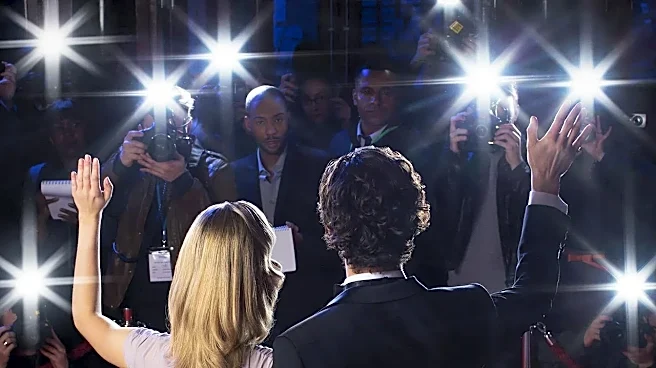
For filmmakers, a comedy's premiere at TIFF is the ultimate high-wire act. The festival is a critical launching pad for awards season, and a strong audience reaction can secure distribution, kickstart an Oscar campaign, and define the entire narrative around a film. A comedy that lands with a thunderous laugh track from a sold-out house at the Princess of Wales Theatre can instantly be labeled a crowd-pleaser and a must-see. The festival's prestigious People's Choice Award, which has often been a bellwether for Oscar success, is a direct reflection of this audience power. The opposite is also true. A comedy that meets with tepid chuckles or, even worse, stony silence, can see its prospects dim before the credits roll.
The Unforgiving Sound of Silence
While a wave of laughter can feel like a triumph, the silence that greets a failed joke in a packed festival theater is uniquely brutal. In the solitude of your living room, a bad punchline is simply awkward. In a theater with a thousand expectant viewers, it’s a public verdict delivered in real time. The communal tension is palpable. The audience can feel the film straining, and the collective cringe is an experience far more intense than any individual disappointment. This shared awareness can expose a film’s weaknesses in a way that a smaller, less invested audience might not. It’s a space where inappropriate or misjudged humor can be instantly rejected, creating a public record of a film's failure to connect.