






Thinking One Superstar Can Do It All
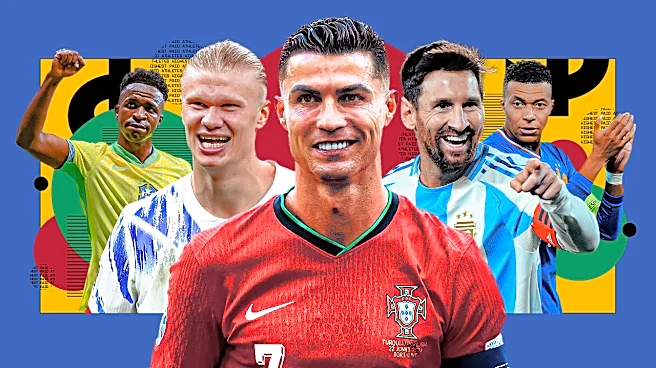
In American sports, we’re conditioned to believe in the solo hero. A Michael Jordan, a Tom Brady, a LeBron James—one transcendent talent who can bend a team’s destiny to their will. In soccer, that’s a fantasy. While superstars like Lionel Messi and Cristiano
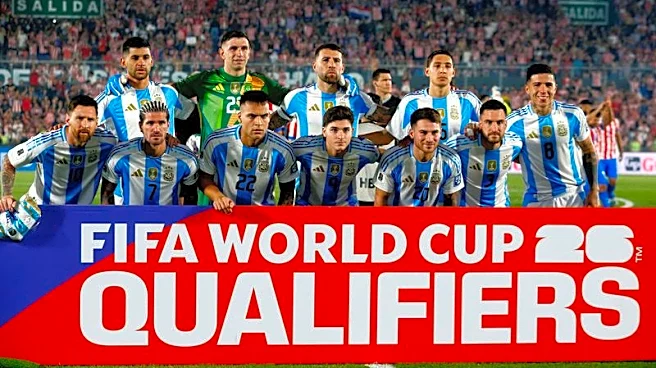
Ronaldo have dominated headlines for a generation, they have never won a World Cup by themselves. Soccer is the ultimate team sport. The game is too fluid, the pitch too large, for one player to control. A forward is only as good as the service from his midfielders, who are only as secure as the defense behind them. Look at France’s 2018 victory; it was built on a foundation of disciplined, collective effort, not just the brilliance of Kylian Mbappé. Before 2026, learn to appreciate the system, the tactical shape, and the unseen work that allows the stars to shine.
Ignoring Everything But the Goals
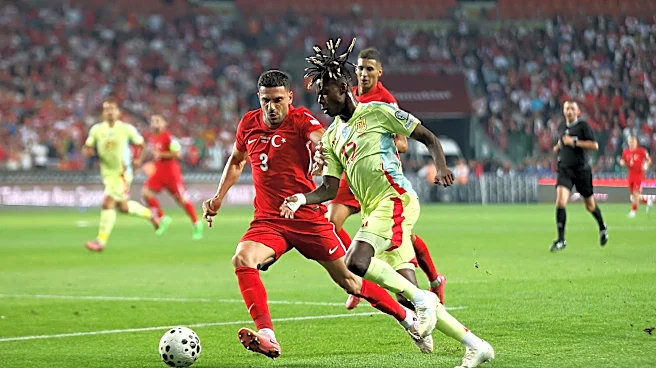
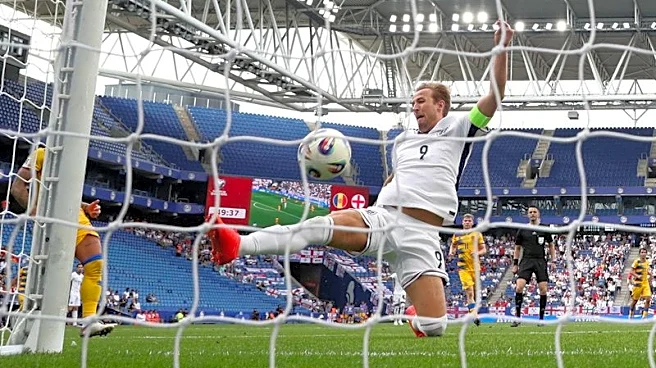
A 90-minute soccer match can end 1-0, and the casual fan might call it boring. That’s like watching a masterful pitcher’s duel in baseball and only waiting for the home run. The real drama of soccer often happens far from the goal. Pay attention to the midfield battle: which team is controlling the tempo? Watch the defenders: a perfectly timed slide tackle can be as game-changing and thrilling as a 30-yard strike. Appreciate the goalkeeper who organizes the defense and makes one crucial save. Goals are the punctuation marks, but the story is written in the passing triangles, the defensive rotations, and the tactical chess match between two coaches. A goalless draw can be a fascinating, high-stakes affair if you know what you're watching for.
Underestimating the Group Stage
With the 2026 World Cup expanding to 48 teams, the group stage might feel like a drawn-out preseason. This is a massive mistake. In a three-game group stage, every single point is precious. A draw against a powerhouse team can feel like a victory, while an unexpected loss to an underdog can be a death sentence. Unlike a long NBA or MLB season, there’s no time to recover from a slow start. Goal differential—the number of goals scored minus the number conceded—often decides who advances. This means teams can’t let up, even when winning 3-0. The group stage is a minefield of tension, calculation, and desperation. It’s where giants are humbled and Cinderella stories are born.
Fixating on Premier League Fame
Thanks to excellent TV coverage in the U.S., the English Premier League has become the default for many American soccer fans. It’s easy to assume its stars are automatically the best in the world. But club form and international success are two different things. A player who thrives in a well-oiled club system might struggle in a national team with limited practice time. Furthermore, leagues like Spain’s La Liga, Germany’s Bundesliga, and Italy’s Serie A are filled with world-class talent who may be less familiar to a casual U.S. viewer. The World Cup is a showcase of global talent, not just a Premier League all-star game. The player you’ve never heard of from the Croatian or Japanese league might just be the breakout star of the tournament.
Assuming Home-Field Advantage Is a Golden Ticket
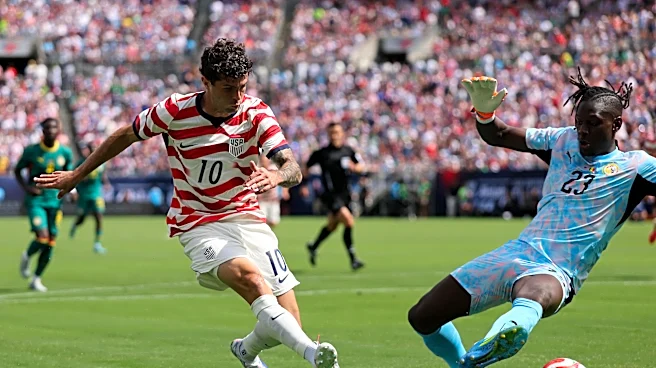
The USMNT will have the roar of the crowd behind them in 2026, and that’s a significant emotional boost. But it’s not a guarantee of success. In fact, playing at home can bring crushing pressure. Every mistake is magnified, and the weight of a nation’s expectations can be suffocating. Only six nations in history have won the World Cup as hosts. The level of competition is simply too high for home support to be the deciding factor against elite teams from Europe and South America. Instead of expecting a deep run, a smarter way to watch is to appreciate the progress of the U.S. team. A competitive performance, a disciplined tactical setup, and an exit with their heads held high against a global power can be a massive success in itself.