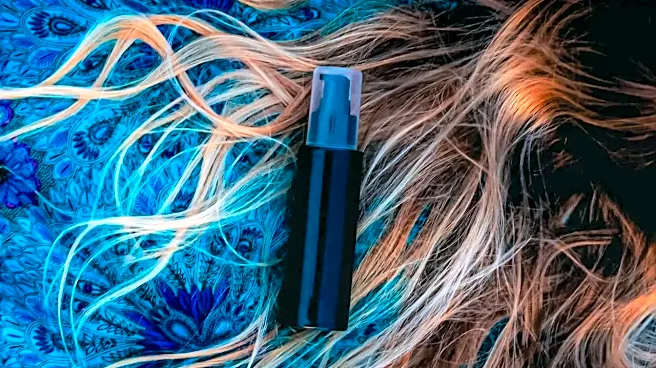




The Color Wheel in Your Shower
To understand why blue shampoo works, you just need to remember the color wheel from elementary school art class. Colors that sit opposite each other on the wheel cancel each other out. For brunettes, the primary culprit behind brassiness is the exposure
of underlying orange and red pigments in the hair. This can happen due to sun exposure, hard water, heat styling, or simply the natural fading of salon color. Blue sits directly across from orange on the color wheel. When you wash with a blue-pigmented shampoo, it deposits a sheer layer of blue tone onto the hair shaft, effectively neutralizing and counteracting those unwanted coppery hues. This is different from the more well-known purple shampoo, which is designed for blondes because purple cancels out the yellow tones common in lightened blonde hair.
Who Is This Secret Weapon For?
Blue shampoo isn’t for every brunette, but for the right ones, it’s a game-changer. It is most effective for those with lightened brown hair, such as balayage, ombré, or highlights, where lifting the natural color inevitably exposes orange undertones. It’s also ideal for those who have dyed their hair a shade of brown and notice it becoming coppery as the color fades. Even natural brunettes who find their hair pulls reddish or orange in the sun can benefit from the cooling effects of a blue shampoo to restore richness and depth. Essentially, if you look at your brown hair and see more orange or red than you'd like, you are the target audience.
Why Your Stylist Might Be Keeping Quiet
If blue shampoo is so effective, why isn't it recommended as often as its purple counterpart? The reasons are more practical than secretive. First, in-salon toning treatments, often called glosses or glazes, are a precise and profitable service that stylists are expertly trained to perform. They can create a custom-mixed toner for your exact shade, something a one-size-fits-all bottle can't do. Second, there's a legitimate fear of misuse. Left on for too long, a highly pigmented blue shampoo can temporarily make hair look a bit dark or muddy, which could lead to an unhappy client. Finally, the market for blonde hair care is historically larger, so purple shampoo simply gets more shelf space and marketing attention, leaving blue shampoo a bit of an insider secret.
Your At-Home Toning Ritual
Using blue shampoo correctly is key to getting fresh-from-the-salon results without any mishaps. Start by using it once a week, swapping it in for your regular shampoo. Since these formulas can be drying, it's best to start with your normal cleanser on your scalp and then apply the blue shampoo from the mid-lengths to the ends, where brassiness is often most prominent. Wear gloves to prevent staining your hands, and lather it evenly through your hair. Let it sit for about two to five minutes—less time if you're nervous, more if you have stubborn brass. Always follow up with a hydrating conditioner or a deep conditioning mask, as toning shampoos can strip moisture. The goal is to rotate, not replace; using it every wash can lead to over-depositing color, making your brunette shade appear dull.