






An Ancient Practice, A Modern Rebrand
Before it was an Instagram flat-lay staple, dry brushing, or gharsana, was a traditional practice in Ayurveda, the ancient Indian system of medicine. For centuries, cultures around the world, including the ancient Greeks and Romans, used stiff brushes
or textured cloths to exfoliate and stimulate the skin. The goal was to invigorate the body, improve circulation, and slough off dead skin. So, the technique itself is anything but new. Its recent explosion in America has less to do with a sudden discovery and more to do with a clever rebranding. It was perfectly positioned to tap into a growing hunger for rituals that feel both holistic and primal, offering a tangible connection to ancient wisdom in a world saturated with digital quick-fixes.
The Alluring Promise of 'Detox'
The single biggest driver of dry brushing’s modern appeal is arguably the concept of “lymphatic drainage.” Proponents claim that the upward brushing motion toward the heart helps stimulate the lymphatic system, a crucial part of the immune system, thereby helping the body “detoxify” itself, reduce cellulite, and boost energy. This narrative is incredibly powerful in a wellness market obsessed with purging toxins. However, most dermatologists and medical experts are quick to clarify. While the lymphatic system is vital, there's little to no scientific evidence that brushing your skin can significantly enhance its function. The body’s liver and kidneys are the primary organs of detoxification. What dry brushing reliably does is provide excellent mechanical exfoliation, which makes skin look and feel smoother and more radiant. The “detox” story, while compelling, is more of a marketing angle than a medical fact—but it was the perfect story to sell the practice.
The Goop and Influencer Effect
A wellness trend in the 21st century is rarely born without a celebrity midwife. Dry brushing had been a niche treatment in high-end spas for years, but it exploded into the mainstream when aspirational lifestyle gurus began touting its benefits. Gwyneth Paltrow’s Goop featured it as a morning ritual, and supermodels like Miranda Kerr and Molly Sims swore by it for glowing skin. This celebrity endorsement transformed the practice from an obscure spa service into an accessible, at-home luxury. Suddenly, owning a $20 brush was a way to participate in an exclusive wellness club. Influencers on Instagram and YouTube quickly followed, creating tutorials and aesthetically pleasing videos that demystified the process and made it look like a chic, non-negotiable step in any serious self-care routine.
Made for the Social Media Age
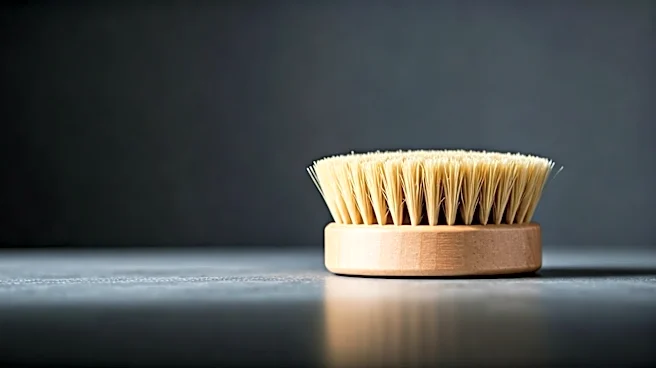
Dry brushing wasn't just endorsed on social media; it was practically designed for it. The ritual is inherently photogenic. The rustic, natural-bristle brushes look beautiful against a marble bathroom counter. The act itself—a quiet, mindful moment of self-care before a shower—is the very essence of the wellness aesthetic that dominates platforms like Instagram and TikTok. It’s a visual representation of prioritizing oneself. Unlike a new supplement or diet, the results (smoother skin) are almost immediate, providing instant gratification. The process is simple to demonstrate in a 60-second video, making it perfect #selfcare content. It’s an activity that says, “I’m taking care of myself,” making it not just a practice, but a statement—and one that’s highly shareable.