





Step 1: Start with a Gentle Cleanse
The first step in any routine is creating a clean canvas, but a morning cleanse is different from your evening one. Overnight, your skin has been in repair mode and has accumulated oils, not a day's worth of grime and makeup. For this reason, a gentle,
hydrating cleanser is all you need. Many dermatologists agree that for normal to dry skin, a simple rinse with lukewarm water may even suffice. The goal is to remove excess oil without stripping your skin's natural moisture barrier, which is crucial for its health. If you have oily or acne-prone skin, a mild cleanser will help create a balanced base for the products that follow.
Step 2: Hydrate and Prep with Toner or Essence
Forget the harsh, alcohol-based astringent toners of the past. Today's toners and their cousins, essences, are all about hydration and preparation. After cleansing, a few swipes of a hydrating toner on a cotton pad or pressed into the skin with your palms can help balance your skin's pH. More importantly, it provides a layer of moisture that helps the products you apply afterward—like serums and moisturizers—absorb more effectively. Think of it as making your skin a damp sponge, ready to soak up all the good stuff you're about to apply. This step is often considered optional, but for those with dry or dehydrated skin, it can make a world of difference.
Step 3: Treat with an Antioxidant Serum
If your evening routine is about repair, your morning routine is all about protection. The single most important treatment step for daytime is an antioxidant serum, with Vitamin C being the undisputed champion. Throughout the day, your skin is exposed to environmental stressors like UV rays and pollution, which create free radicals that damage skin cells and accelerate aging. A Vitamin C serum helps neutralize these free radicals, effectively acting as a second line of defense behind your sunscreen. It also helps brighten the skin, reduce hyperpigmentation, and boost collagen production over time. Apply it to dry skin after your toner has absorbed.
Step 4: Lock It In with a Moisturizer
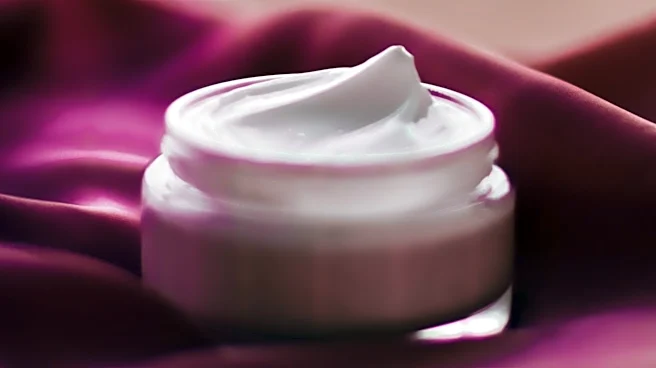
Moisturizer is a non-negotiable step for every single skin type, even oily and acne-prone skin. A good moisturizer does two critical things: it adds hydration to the skin, and it creates a barrier on the surface to prevent that moisture from escaping throughout the day. This helps keep your skin barrier strong and healthy, which is essential for proper function. For daytime, look for a lightweight formula that works well under your final, most crucial step. Applying moisturizer while your skin is still slightly damp from your serum can help lock in even more hydration.
Step 5: The Non-Negotiable Final Step — Sunscreen
Ask any dermatologist what the most important skincare product is, and they will all give you the same answer: sunscreen. It is the single most effective tool you have to prevent premature aging—up to 90% of which is caused by the sun—and reduce your risk of skin cancer. All the expensive serums and treatments in the world can't undo the damage caused by daily, unprotected sun exposure. You need to apply a broad-spectrum sunscreen with at least SPF 30 every single morning, rain or shine, whether you are indoors or out. This should always be the very last step in your skincare routine, applied after your moisturizer has had a moment to set.