
Winning Over Strangers vs. Pleasing the Faithful
The biggest difference isn't the length of the set; it's the audience. A headlining tour show is a destination. Every person in that arena or theater bought a ticket specifically to see that one artist. They know the albums, they love the deep cuts, and
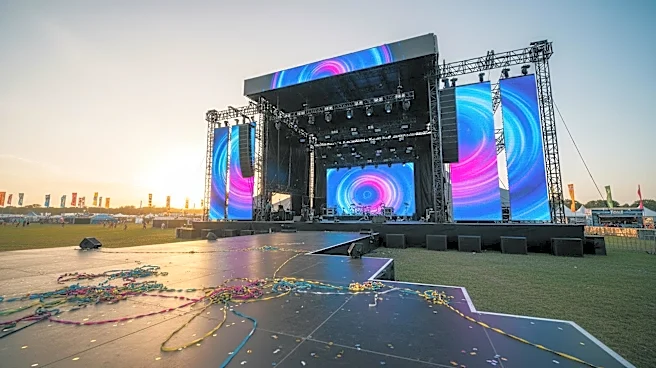
they’re ready for a two-hour immersive journey. The band has the luxury of playing for the converted. A festival is a completely different beast. The crowd is a chaotic mix of die-hard fans, curious passersby, and people who are just waiting for the next act on the main stage. An artist’s primary goal at a festival isn't just to play music—it's to capture attention and win over new listeners who may have never heard them before. This turns the performance from a deep conversation with loyal followers into a high-energy sales pitch designed to make the biggest possible impact in a very short time.
The All-Bangers Mandate
This difference in audience directly shapes the setlist. A tour allows for nuance. An artist can build an emotional arc, weaving in slow ballads, experimental new tracks, and obscure fan favorites between the major hits. But at a festival, there’s no time for that. A slow, quiet song can be a death sentence, causing the casual listener’s attention to drift to a nearby food truck or another stage. The result is what fans call a “greatest hits” or “all-bangers” setlist. Artists pack their limited time—often just 45 to 60 minutes—with their most energetic, well-known, and instantly recognizable songs. For jam bands, this means shorter, more concise jams instead of long-form explorations. The goal is to maintain momentum and deliver constant payoffs, leaving no room for a potential lull that might lose the crowd.
Technical Chaos vs. Curated Control
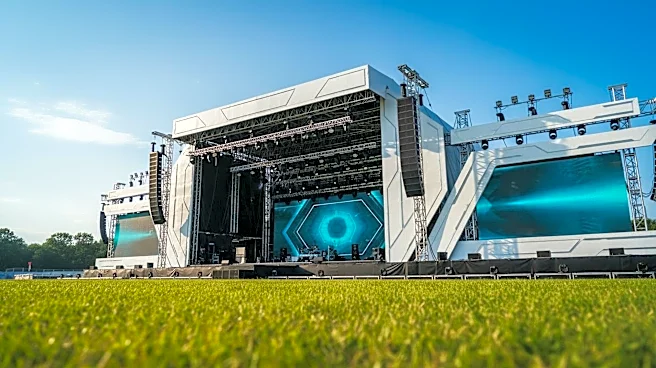
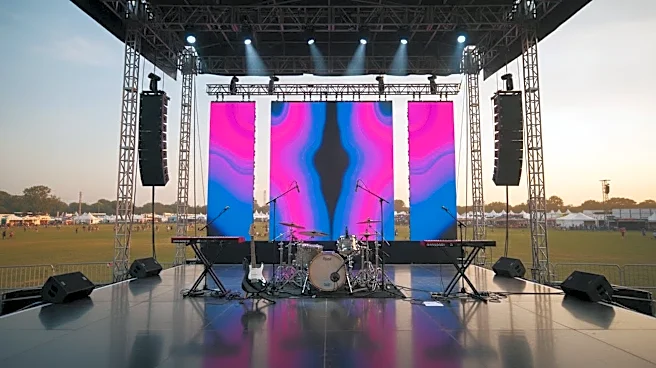
A headlining tour is a self-contained, highly controlled universe. The band brings their own stage production, lighting rigs, sound systems, and a crew that knows their show inside and out. They get extensive soundchecks and can fine-tune every visual and sonic detail to create a unique, immersive experience for their fans. A festival, by contrast, is organized chaos. Artists are essentially guests at someone else's party. They share backline equipment, have severely limited soundcheck times, and must adapt to a one-size-fits-all stage setup. Changeovers between acts are frenzied and brief, often lasting only 15-30 minutes. This frantic pace means less control over the final presentation. While large festivals have professional crews, the performance is inevitably a compromise compared to the bespoke perfection of a tour show.
A Different Kind of Artistry
It’s easy to think of a festival set as a watered-down version of a “real” show, but that’s not the right way to look at it. They are simply different art forms that test different skills. A tour show is a novel, rich with character development and subplots. A festival set is a killer short story—all impact, precision, and explosive energy. It requires an artist to be incredibly efficient, to connect with a distracted audience instantly, and to distill their entire identity into a powerful, bite-sized package. It’s a testament to a band’s stage presence and the strength of their singles. Seeing an artist command a festival crowd of 50,000 strangers is a display of raw charisma that you don’t always get to see in the more controlled environment of their own concert.