



The Poster vs. The People
A music festival lineup is a carefully crafted hypothesis. Promoters book legacy acts, pop superstars, and indie darlings they believe will sell tens of thousands of tickets. The headliners are the anchors, their names in the largest font, designed to
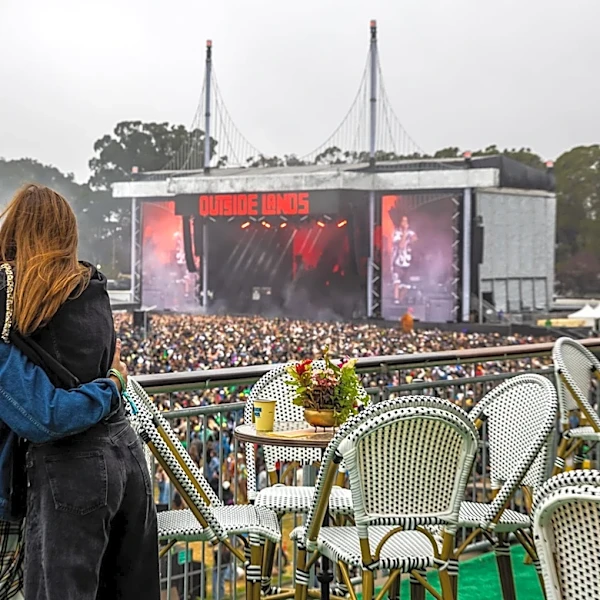
draw the masses to the main Lands End stage as the sun sets. But once the gates open, that hypothesis is tested by a force far more powerful: the collective will of the audience. Where people walk, where they sprint, where they stand shoulder-to-shoulder for hours—that’s the data that matters. A massive headliner crowd can be a default setting, the path of least resistance. The truly revealing moments happen elsewhere, when an artist on a smaller stage or in a daytime slot pulls a crowd so large and dense it defies the festival’s intended logic.
Case Study: The 2024 Chappell Roan Effect
To understand this phenomenon, look no further than Chappell Roan’s appearance in 2024. Despite not being a primary headliner, her set became one of the weekend's most defining events. Reports from that Sunday described a 'sea of pink,' as fans heeded her call to wear the color, turning the Polo Field into a vibrant, unified spectacle. Fans arrived hours early, camping out near the stage to secure a spot for her afternoon performance, a level of dedication typically reserved for the day’s final act. Her crowd was not just large; it was a pilgrimage. This was the culmination of a breakout year where Roan dominated festival stages across the country, with aerial shots of her massive audiences becoming a viral testament to her stardom. She proved that an artist with a fervent, mobilized fanbase can generate a gravitational pull that reshapes the entire festival landscape around them.
Spotting the 2026 Breakouts
So, as Outside Lands 2026 approaches, who might trigger a similar seismic shift? The lineup is packed with possibilities. Look for artists with intense, cult-like followings. Gothic folk artist Ethel Cain, for example, is known for creating transcendent, mythic sets that attract a deeply devoted audience. Likewise, the raw energy of hardcore band Turnstile or the sharp, intimate storytelling of Lucy Dacus could easily generate overwhelming crowds at whichever stage they play. These are artists whose fans don't just show up; they show up with purpose. Another key indicator is counter-programming. When a smaller act pulls a significant audience while a legacy headliner like The Strokes plays the main stage, it’s a powerful statement about where the culture’s energy is truly focused.
The Power of the Undercard
The geography of Golden Gate Park itself offers clues. An overflowing crowd at the Sutro stage, tucked away in Lindley Meadow, often feels more significant than a comfortably full main stage. It signifies a conscious choice, a deviation from the main path. The SOMA Tent, with its nonstop DJ sets, serves as an incubator for emerging electronic acts and Bay Area talent. When that tent becomes impassably packed early in the day, it’s a sign that a future headliner is having their moment right now. These are the sets that will dominate social media feeds and become the “you had to be there” stories of the weekend, long after the final headliner’s fireworks have faded.