

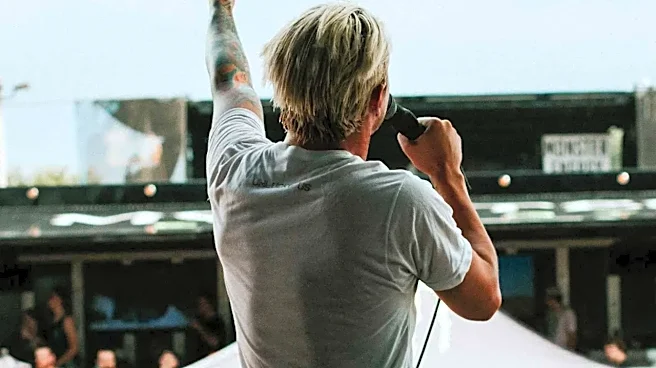
The King of the Main Stage
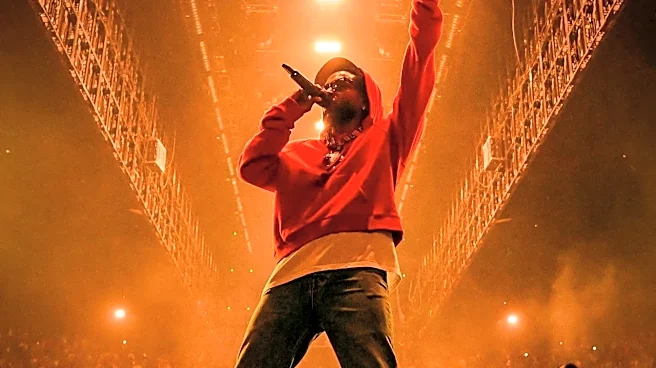
Kendrick Lamar isn’t just another headliner; he's arguably the most vital and artistically ambitious musician of his generation. A Pulitzer Prize winner whose albums are as much cultural commentary as they are commercial blockbusters, his live shows have
become legendary for their theatricality, precision, and raw power. He doesn't just perform songs; he builds worlds on stage. When a festival like ACL puts Lamar in its top slot, it's banking on more than just his hits. It's investing in an artist who embodies artistic credibility and generational influence. His presence elevates the event, signaling a commitment to culturally significant art, not just crowd-pleasing nostalgia acts. This choice reflects a larger truth: hip-hop now produces artists with the gravity and catalog to anchor a major festival on their own terms.
From Side Act to Centerpiece
It wasn't always this way. For years, major multi-genre festivals, many of which were founded on rock and indie sensibilities, treated hip-hop as a novelty or a niche booking. A rapper might get a high-profile afternoon slot, but the coveted final performance of the night was almost always reserved for a legacy rock band. The turning point began over a decade ago, with landmark headline sets from artists like Kanye West at Lollapalooza and Jay-Z at Coachella in 2010. These performances proved that a hip-hop artist could not only draw a massive crowd but deliver a show with the scale and spectacle to rival any rock icon. Since then, artists like Travis Scott, J. Cole, and Tyler, the Creator have become festival fixtures, demonstrating hip-hop's reliability as a major draw. Lamar's first ACL headline performance dates back to 2016, a clear indicator of his long-standing festival power.
The New Economics of Festivals
The rise of hip-hop headliners is also a story about business. As the festival market has become more saturated, promoters face the constant challenge of attracting younger, more diverse audiences. Hip-hop is the undisputed language of youth culture, and its stars are the key to selling tickets to Gen Z and millennial attendees. Booking a headliner like Kendrick Lamar or SZA isn't just a creative decision; it's a strategic one designed to ensure a festival's long-term relevance and financial viability. These artists bring a demographic that spends money not just on tickets, but on merchandise, food, and sponsor products, reshaping the entire economic ecosystem of the event. The cultural cachet they provide also makes a festival more attractive to the kinds of brands that want to align themselves with what's current and cool.
Reshaping the Festival Experience
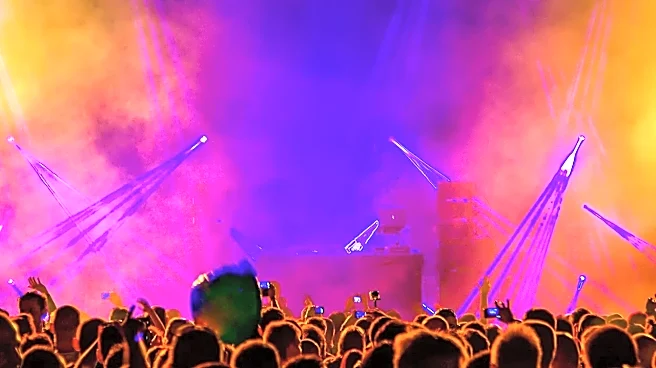
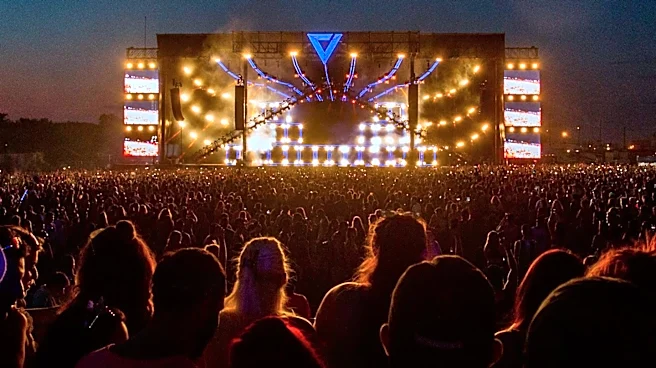
When hip-hop takes center stage, the entire character of a festival changes. The energy is different, the fashion is different, and the communal experience is different. The call-and-response dynamic of a song like Lamar's "Alright" creates a moment of collective catharsis that is unique to the genre. It's a participatory culture that extends beyond the music itself. This shift also reflects the broader landscape of American pop culture, where hip-hop's influence is undeniable, shaping everything from language and fashion to social media trends. By placing a figure like Kendrick Lamar at the pinnacle of its lineup, a festival like ACL is not just booking a musician; it's acknowledging that hip-hop is the central, driving force of popular culture today. It's a recognition that the genre doesn't need to ask for a seat at the table anymore—it owns the table.