
The Overwhelming Mega-Festival Machine
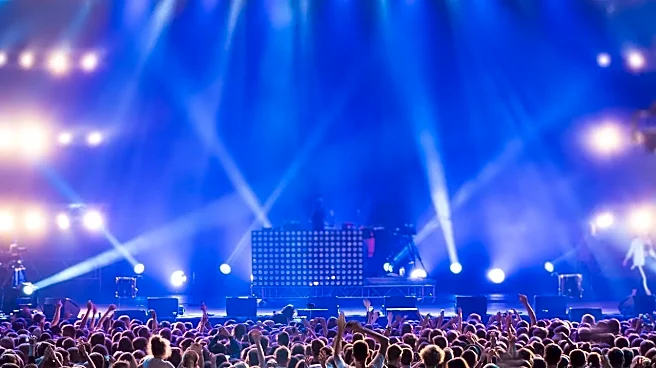
Coachella, Lollapalooza, Bonnaroo. The names are iconic, and their business model is built on overwhelming you with choice. The annual lineup poster is a status symbol, a dense block of text featuring dozens, sometimes hundreds, of artists. The appeal
is obvious: it’s a seemingly efficient way to see many of the world’s biggest pop, rock, and hip-hop acts in one weekend. But the reality is often a frantic, FOMO-fueled dash between stages set miles apart. The experience can feel less like enjoying music and more like managing a complex logistical operation. With so many must-see headliners playing at the same time, audiences are forced to make painful choices, and the focus shifts from immersion to simply checking artists off a list. This structure prioritizes familiarity, attracting crowds with artists they already know and love, leaving little room for spontaneous encounters with the unknown.
The Newport Folk Festival Ethos
Then there’s Newport. Held annually at Fort Adams State Park in Rhode Island, it operates on a fundamentally different philosophy. For one, tickets famously sell out long before the full lineup is even announced, a testament to the trust the audience places in the curation. This isn't a festival built on marquee headliners; it's built on a reputation for community, collaboration, and surprise. While big names certainly appear (recent years have featured everyone from Lauryn Hill to Tom Morello), they are part of a broader tapestry, not the sole attraction. The festival's manageable size and historic seaside setting foster a relaxed atmosphere, encouraging attendees to wander, listen, and stay present rather than sprint. It’s a place where the barrier between artist and audience feels refreshingly thin.
The Surprising Science of Discovery
So why does this smaller-scale model breed bigger discoveries? It comes down to expectation and environment. At a mega-festival, the schedule is a tyrant. At Newport, it’s a gentle guide. When you aren't rushing to catch a global superstar, you’re more likely to wander into a tent and be captivated by an artist you’ve never heard of. Recent Newport festivals have been lauded for breakout performances from artists like KIRBY, CMAT, and Brother Wallace—names that weren't the main draw for many but became a weekend highlight. This ethos is most famously embodied by the festival's legendary collaborations and unannounced appearances. Artists frequently join each other on stage for unique covers and one-off performances, creating moments that can't be replicated. It cultivates an audience that arrives with open ears, ready to be surprised rather than just have their existing tastes confirmed.
It's About More Than Just the Music
The culture of a festival directly impacts the listening experience. Mega-festivals, with their massive scale, can feel impersonal and heavily commercialized. The focus can drift toward brand activations and social media posturing. Newport, by contrast, maintains a deep sense of community and shared purpose. Its history is steeped in protest and social consciousness, a legacy that continues today. This creates an environment where the music is the undisputed center of gravity. Fans are there for a shared experience rooted in respect for the art form. The result is an atmosphere that feels less like a chaotic party and more like a communal celebration, making it a fertile ground for genuine connection—with both the music and the people around you. It’s a reminder that sometimes, the most profound musical experiences happen when you aren't looking for them.