


The Red Carpet as a Meme Factory
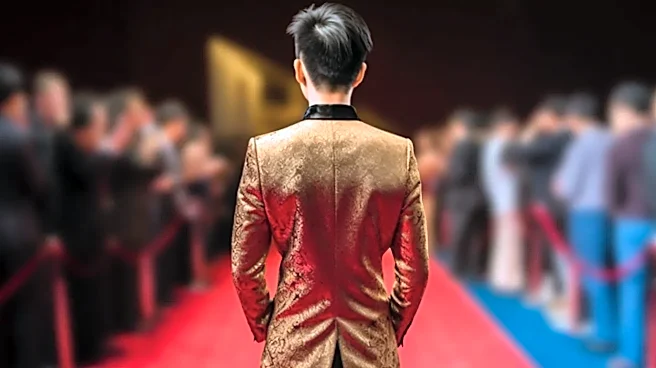
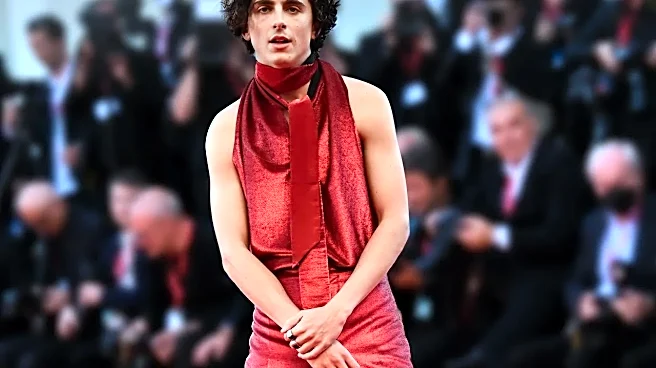
The modern film festival is a high-pressure environment, meticulously documented from every angle. It’s no longer just about the evening gowns and tuxedos; it's about the candid moments in between. A boat arrival, a press conference, a red carpet photo
call—each is a stage for an unscripted interaction that can be screenshotted, clipped, and repurposed in seconds. The sheer volume of cameras ensures that no subtle eye-roll, awkward hug, or moment of apparent boredom goes unnoticed. This is the raw material. It’s the visual language of a star seemingly dissociating during a long-winded question or two co-stars keeping a conspicuously wide distance from each other. These moments, stripped of their original context, become perfect vessels for internet humor. They are relatable, not because we’ve all attended a Venetian film premiere, but because we have all felt bored at work or awkward at a party.
From Arthouse to Your Timeline
Take the perennial festival subject: the bored actor. A clip of a star zoning out while their director gives a lengthy, academic answer about their film’s themes is instantly viral. The internet projects its own feelings of pandemic-era Zoom fatigue or Monday morning meeting burnout onto the image of a millionaire in designer clothes. This year has been no exception, with Robert Pattinson’s turn as “To Catch a Predator” host Chris Hansen in the film “Primetime” already sparking a wave of online chatter even before its premiere. Reports note his performance is already a viral sensation, with the real Hansen even weighing in. These moments are no longer confined to film buff circles; they are algorithmically distributed to millions on TikTok and X (formerly Twitter), often with a funny soundbite or a caption like “me pretending to listen to my boss.” The film itself becomes secondary to the meme-able moment it generated.
The Unofficial Marketing Machine
Herein lies the strange, symbiotic genius of the festival meme. While studios spend millions on carefully crafted marketing campaigns, a single viral meme can generate more organic buzz than a dozen billboards. A film that might have been perceived as a stuffy, inaccessible arthouse project is suddenly part of a global inside joke. The “Don’t Worry Darling” press tour in 2022 is a classic example, where rumors of feuds and video clips of seemingly tense interactions became an internet obsession, arguably driving more public curiosity than the film's actual trailer. It’s a chaotic, uncontrollable form of marketing, and that’s precisely why it works. It doesn’t feel like an ad. It feels like a shared cultural moment, turning passive viewers into active participants who share, remix, and comment, effectively becoming unpaid publicists.
When the Joke Lands Wrong
Of course, this dynamic is a double-edged sword. For every meme that generates harmless fun and boosts a film’s profile, there’s a moment when the narrative spirals out of control. Context collapse is a real danger. A misinterpreted clip can fuel unsubstantiated rumors about onset feuds or personal drama, overshadowing the work itself. The internet doesn't require journalistic standards of proof; it thrives on speculation. A star’s exhausted expression can be reframed as an act of professional disrespect, and an awkward photo angle can become “evidence” of a rift. The very thing that makes memes so powerful—their simplicity and shareability—also makes them a potentially reductive and sometimes unfair lens through which to view both art and the artists who create it. The internet, as Wilde herself noted during the 2022 festival, feeds itself.