






Your Pre-Game Huddle: Plan Ahead
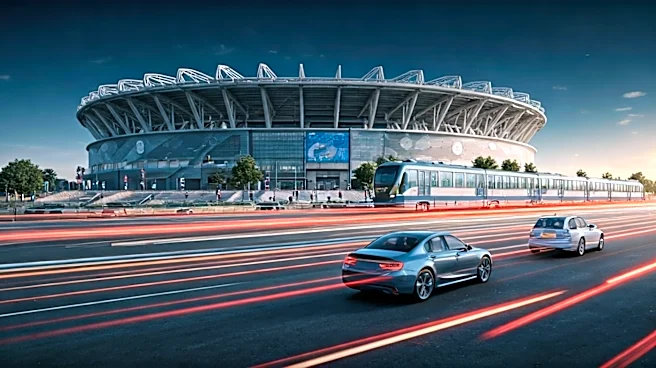
The single most important step for a stress-free game day is planning your transportation well in advance. Every stadium is different; some are downtown with great public transit access, while others are surrounded by massive parking lots in the suburbs.
Start by visiting the team or stadium's official website. They almost always have a dedicated section for transportation and parking. Look for information on parking lot locations, public transit routes, and designated rideshare drop-off zones. Arriving early is another key strategy. For major events like NFL games, plan to get there 90 to 120 minutes before kickoff to account for traffic, parking, and security lines. This buffer ensures you won't miss any pre-game festivities or the opening action.
The Classic Play: Driving and Parking
Driving offers convenience and the freedom to tailgate, a cherished part of American sports culture. However, it comes with predictable challenges: heavy traffic and expensive parking. Stadium-owned lots can charge hefty fees, so it's wise to check prices beforehand. A growing alternative is to use parking reservation apps that allow you to pre-book a spot, often at a lower price, in a nearby private garage or even a local resident's driveway. This can save you money and the headache of circling for a spot. If you do drive, remember where you parked. Snapping a photo of your parking section marker can be a lifesaver when you’re leaving with tens of thousands of other fans.
The Savvy Switch: Public Transportation
For stadiums in urban centers, public transit—like subways, trains, and buses—is often the most efficient and affordable option. You'll bypass the worst of the game-day traffic and avoid the high cost of parking. The shared experience of riding with fellow fans can also build excitement before you even arrive at the gates. The main downsides are crowds and potentially fixed schedules that might not align perfectly with the end of a game that goes into overtime. Before you go, check the transit authority's website for game-day schedules, including the time of the last train or bus, to ensure you have a ride home. Some cities also offer special shuttle buses from park-and-ride locations directly to the stadium.
The Modern Audible: Rideshare and Taxis
Using a rideshare service like Uber or Lyft seems like an easy solution, but it requires a smart strategy. While getting dropped off is usually straightforward, getting picked up after the game can be chaotic. When thousands of fans request rides at once, surge pricing can cause fares to skyrocket. Furthermore, stadiums have designated rideshare pick-up zones that are often congested and a considerable walk from the exits. To avoid the worst of it, consider walking 15 to 20 minutes away from the stadium before ordering your ride. This gets you out of the immediate traffic jam and can significantly lower your fare. Another option is to wait it out at a nearby restaurant or bar for an hour until the initial surge dies down.
The Underdog Option: Walking and Biking
If you're staying at a hotel near the venue or live close by, don't overlook the simple solution of walking or biking. Many modern stadiums are encouraging these eco-friendly options. Check for stadium information on bike valets or secure bike racks near the gates. This method is free, avoids all traffic and parking stress, and offers a great way to experience the local atmosphere on your way to the game. It guarantees you won't be stuck in a post-game traffic jam, allowing for a quick and easy exit once the final whistle blows. Just be sure to plan a safe, well-lit route.