





A Classic Remixed for the Runway
Walk the runways in your mind’s eye. At Louis Vuitton, Pharrell Williams might send one down in a vibrant, unexpected hue. At Dior, Kim Jones presents it with immaculate, flowing tailoring. Sacai’s Chitose Abe will fuse it with a bomber jacket, creating
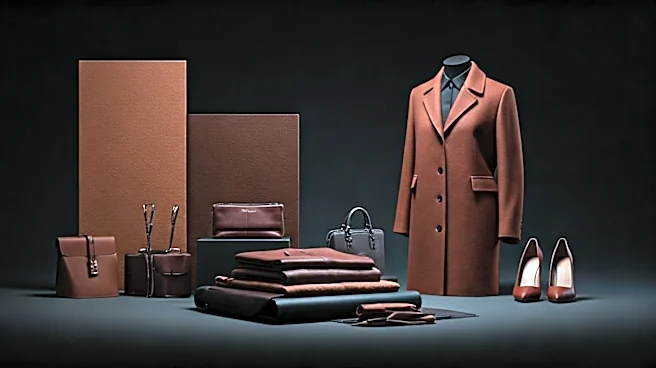
a Frankenstein’s monster of outerwear that is somehow more compelling than its parts. From Dries Van Noten to Yohji Yamamoto, the trench coat is a recurring character, each time with a new personality. It’s been deconstructed, oversized, cropped, rendered in leather, nylon, and even translucent plastics. It’s less a single garment and more of a creative prompt that the world’s top designers can’t seem to resist answering, season after season.
From the Battlefield to the Big Screen
To understand why the trench coat is such a tempting canvas, you have to go back to its origins. It wasn't born in a Parisian atelier; it was forged in the muddy trenches of World War I. Brands like Burberry and Aquascutum developed the coat as a more practical, lightweight, and waterproof alternative to the heavy greatcoats worn by British and French officers. Every detail had a purpose: the shoulder straps (epaulets) held gloves or gas masks, the D-ring on the belt was for clipping on map cases or other equipment, and the storm flap on the chest prevented rain from seeping in. It was pure, unadulterated function. This utilitarian DNA gives it an authenticity and a masculine heritage that fashion loves to borrow. After the war, its adoption by Hollywood—draping stars like Humphrey Bogart in *Casablanca*—cemented its status as the uniform of the mysterious, romantic anti-hero. It became a symbol of stoic elegance and world-weary cool.
The Perfect Blank Slate
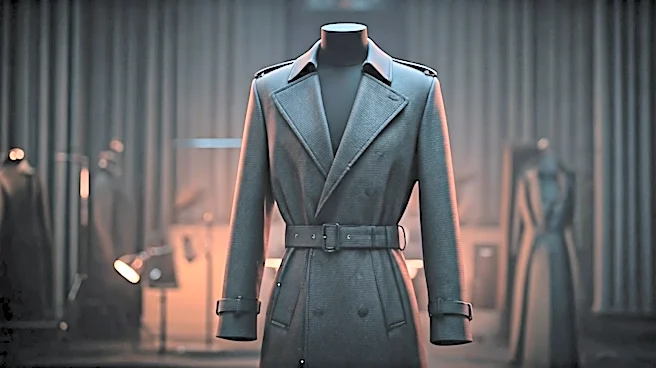
This combination of utilitarian grit and cinematic romance makes the trench coat a perfect blueprint for reinvention. It’s an instantly recognizable silhouette that designers don’t have to explain. We all know what a trench coat is. This shared understanding gives them the freedom to break the rules. The classic form—double-breasted front, wide lapels, belted waist—provides a structure to subvert. A designer can change one element, like the fabric, and the entire coat feels new. They can exaggerate the proportions to a dramatic, floor-sweeping length, and it becomes a statement on modern masculinity. They can slice it up and reassemble it, and it speaks to our fragmented, hybrid culture. The trench carries just enough historical and cultural baggage to be interesting, but not so much that it can’t be updated for the 21st century. It's a foundation, not a fossil.
The Modern Reconstructions
So, how exactly are designers 'rebuilding' it today? The methods are as varied as the brands themselves. The most common approach is silhouette manipulation. We see ultra-cropped versions that barely hit the waist and dramatically oversized styles that envelop the wearer, playing with traditional ideas of tailoring. Material innovation is another key frontier. The classic waterproof cotton gabardine is being swapped for high-shine technical nylon, buttery-soft leather, rugged denim, and even transparent vinyl, changing the coat's feel and function entirely. Then there’s deconstruction and hybridization, a technique mastered by brands like Sacai and Junya Watanabe, where the trench is fused with other archetypal garments—a biker jacket’s sleeves, a puffer’s quilted back—to create something new and challenging. Finally, there’s color. While khaki, beige, and black remain the standard, designers are injecting the form with everything from pastel pinks to bold primary colors, stripping away its somber military history and imbuing it with a sense of playfulness.