





Beyond the Price Tag: Understanding Fabric Weight
When designers and textile experts talk about fabric weight, they’re referring to its density. The industry standard is grams per square meter, or GSM. A higher GSM number means a denser, heavier fabric. Think of it like paper: a flimsy sheet of tracing
paper is a low-weight material, while a stiff piece of cardstock is a heavyweight one. Fabrics are generally sorted into three categories: lightweight (roughly 30-150 GSM), medium weight (150-350 GSM), and heavyweight (350+ GSM). While you won’t see GSM listed on most clothing tags, understanding this concept is the first step to training your hands and eyes to spot quality. A dress made from a fabric with more substance will almost always look more expensive than its wispy, lower-weight counterpart.
The Science of the Drape: Why Heavier Is Often Better
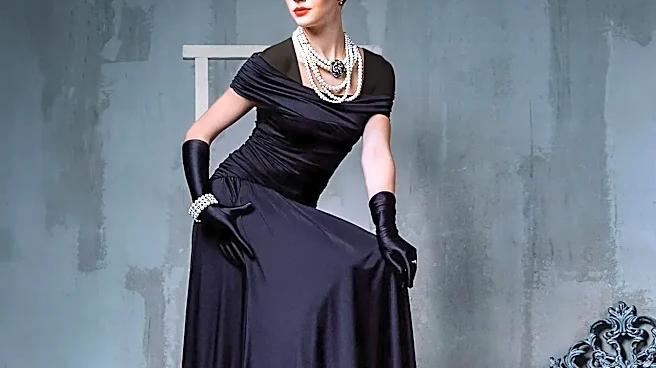
Fabric weight is the secret ingredient behind a garment's drape—how it hangs, moves, and folds on the body. A material with more heft has the structure to create a cleaner silhouette. It’s less likely to cling to the wrong places or show every lump and bump underneath. Heavier fabrics tend to fall in more elegant, controlled folds, creating lines that look intentional and well-constructed. Thin, lightweight materials can look flimsy and unsubstantial, and they are often more transparent, requiring a lining that isn't always included in budget-friendly pieces. Furthermore, a more substantial fabric suggests durability; it feels like it will last more than a few washes, which inherently adds to its perceived value.
Your Hands-On Guide to Assessing Fabric in Stores
Since you can't carry a fabric scale with you, you’ll have to become a textile detective. Use your senses. First, the touch test: Does the fabric feel substantial between your fingers, or does it feel thin and papery? A quality fabric should feel balanced—soft but sturdy. Next, perform the light test. Hold the dress up to the store’s lighting. If you can easily see through a single layer (and it's not meant to be sheer), the fabric is likely too thin and will look cheap. Finally, give it a gentle stretch. Quality material will have some give but should snap back to its original shape. If it stays stretched out or feels like it might warp easily, put it back. These quick tests can tell you almost everything you need to know about the fabric's integrity.
A Cheat Sheet for Common Dress Fabrics
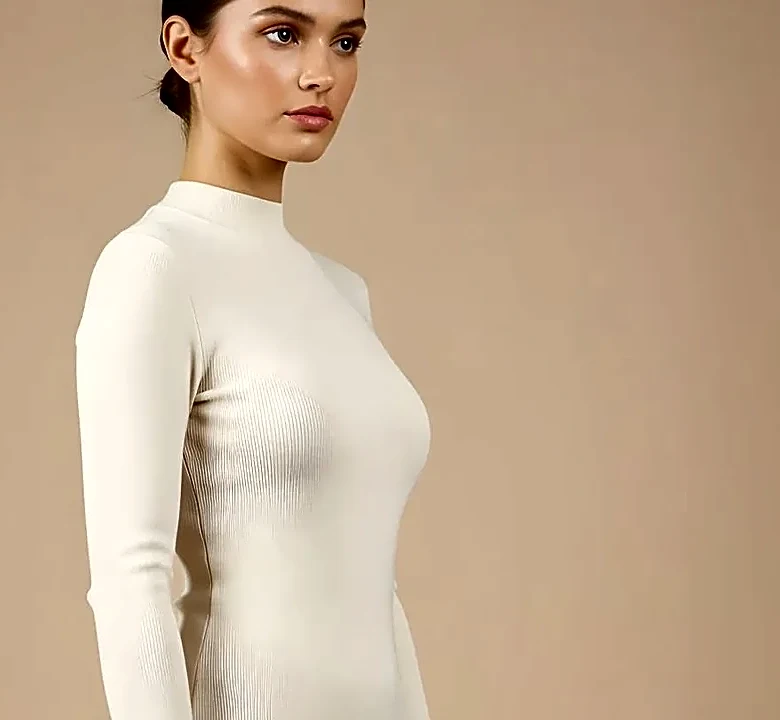
Not all fabrics are created equal, and the ideal weight depends on the style of the dress. For a knit jersey dress, look for a denser knit that doesn’t feel flimsy; it will skim your body instead of strangling it. With cotton, a crisp poplin or a sturdy sateen will hold its shape and look more expensive than a thin, gauzy version. Even summer-friendly linen has a sweet spot; it should have some weight to it to hang properly, otherwise it can look wrinkled and messy. When it comes to synthetics like polyester or viscose, weight is crucial. A heavier polyester is less likely to have a cheap-looking shine and will have a much better drape, often mimicking the flow of silk. The goal isn't always to find the heaviest fabric possible, but the appropriate weight that allows the dress to look its best.