


Start With the Story, Not Just the Hits
Before you even think about beats per minute or key changes, ask yourself: what is the story of this artist's career? A compelling medley tells a story with a beginning, middle, and end. This could be a chronological journey, showing their evolution from
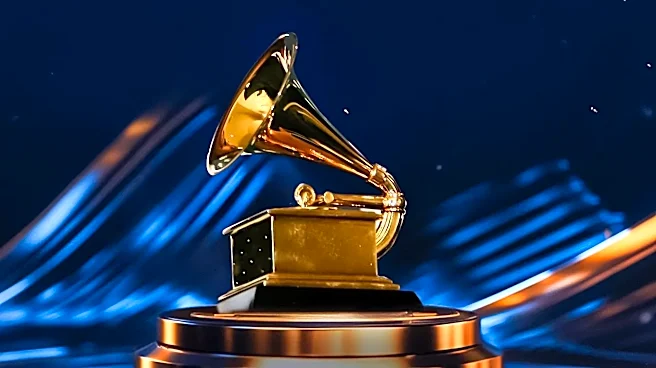
hungry rookie to established icon. Consider the Grammys' 50th-anniversary hip hop tribute, which started with Grandmaster Flash and ended with the genre's modern hitmakers, telling the entire story of the art form's growth. For a single artist, this means mapping out their narrative arc. Did they have a major reinvention? A period of introspection? A triumphant comeback? Arrange the songs to reflect that journey, giving the performance an emotional weight that a simple greatest-hits playlist can't match.
Isolate the Artist’s Musical DNA
Every legendary hip hop artist has a unique sonic fingerprint. It's more than just their voice; it’s in their ad-libs, their go-to producers' drum sounds, the specific way their hi-hats skitter, or the types of samples they favor. A truly great tribute honors this DNA. Before arranging, immerse yourself in their entire catalog. Is it the soulful loops of a Pete Rock production, the futuristic bounce of Timbaland, or the minimalist trap of a Metro Boomin beat? Preserving these core elements is crucial. As musical director Adam Blackstone, the mastermind behind shows for Rihanna and Justin Timberlake, emphasizes, it's about getting the sound and personnel right to create an authentic experience. The goal isn't just to play the notes, but to capture the feeling of the original records.
Master the Art of the Transition
A medley is won or lost in its transitions. Clumsy, abrupt shifts between songs can kill the energy and make the performance feel disjointed. The best musical directors use a variety of techniques to blend different eras, tempos, and moods. You can use a drum break from one song to lead into another, find a common lyrical theme to bridge two tracks, or have a live band vamp on a chord progression that works for both songs. Another effective trick is to use an iconic ad-lib or vocal sample as a bridge. Imagine hearing Busta Rhymes' signature "Woo-hah!" to crash into a new track. These clever connections make the medley feel like a singular, cohesive piece of music rather than a collection of disparate parts.
Pick Guest Performers Who Add, Not Subtract
Tributes often feature guest artists, but their inclusion should be deliberate. The best guest performers have a direct connection to the honoree—they were a protege, a collaborator, or an artist who was clearly influenced by their work. This adds a layer of authenticity and emotional resonance. For example, when Swizz Beatz and The Lox honored DMX at the BET Awards, it felt genuine because of their deep, shared history. The guest's role is to celebrate the honoree, not to steal the spotlight. Their vocal style and energy should complement the material, serving as a reminder of the original artist's influence and impact on the next generation.
Go Beyond the Obvious Hits
Including the smash singles is essential for audience recognition, but the real magic often happens when you dig into the deep cuts. Sprinkling in a beloved album track or a fan-favorite B-side is a powerful signal to die-hard fans that you’ve done your homework. It shows a deep respect for the artist's entire body of work, not just their commercial peaks. This creates an "if you know, you know" moment that elevates the tribute from a simple celebration to an act of genuine appreciation. It rewards the core fanbase and provides a more complete picture of the artist's creative identity.
It's an Homage, Not Just a Cover
The final, and perhaps most important, rule is to maintain the spirit of the original performance without creating a carbon copy. The goal is to evoke the honoree’s essence. This could mean a modern artist performing an older song with contemporary production, or a group of artists each taking a verse on a classic posse cut. The performance should feel fresh yet familiar, reminding the audience why the music was so special in the first place while presenting it in a new light. It's about capturing the original's energy, swagger, and soul, proving that even years later, its power remains undiminished.