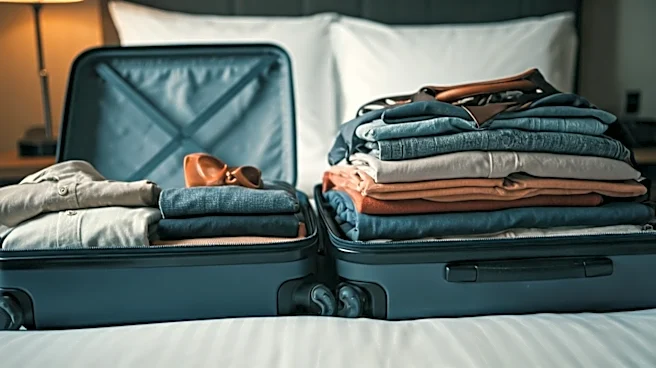









The Mistake: Packing in Outfits
The single biggest mistake that makes packing harder is packing in specific, pre-planned outfits. It sounds logical, right? 'This is my museum day outfit. This is my fancy dinner outfit.' You lay out a complete look for each anticipated event, from top
to bottom, including the shoes and accessories. While this strategy provides a sense of security, it’s a trap. It’s the fastest route to a heavy, inflexible, and ultimately frustrating travel wardrobe. When you pack in rigid outfits, each item becomes a one-hit wonder. That floral blouse only works with those specific white pants. Those statement shoes only match that one dress. You’re not packing clothes; you’re packing a series of costumes. If the weather changes, you spill something on your shirt, or you simply don’t feel like wearing what you planned, the entire 'outfit' is disrupted, and its components become dead weight in your luggage. This approach multiplies the number of items you need, creating the very problem you’re trying to avoid: overpacking.
The Solution: Adopt a Capsule Mindset
The antidote to outfit-packing is to think in versatile pieces. This is the core principle of a travel capsule wardrobe. Instead of planning Day 1, Day 2, and Day 3, you pack a curated collection of complementary items that can be mixed and matched to create numerous combinations. The goal isn't to have fewer options on your trip—it’s to create more options with fewer items. Start by choosing a simple, neutral color palette as your base. Think black, navy, beige, white, or gray. These colors will anchor your wardrobe and ensure almost everything goes together. Then, add one or two accent colors through a few key tops, scarves, or accessories. A pair of well-fitting dark jeans, for example, can be dressed down with a t-shirt and sneakers for sightseeing or dressed up with a silk top and stylish flats for dinner. One pair of pants, multiple possibilities. That’s the magic of the capsule mindset.
Use a Simple Rule of Thumb
To make this less abstract, try a simple packing formula like the '5-4-3-2-1' rule, which you can adjust for the length of your trip. For a week-long vacation, it might look something like this: • 5 tops (a mix of t-shirts, a nicer blouse, a long-sleeve option) • 4 bottoms (jeans, versatile trousers, a skirt or shorts) • 3 layers and/or dresses (a cardigan, a light jacket, a simple dress that can be layered) • 2 pairs of shoes (one for walking, one for evenings) • 1 of everything else (one swimsuit, one handbag, one set of accessories) This isn't a rigid law, but a guideline to force discipline. By limiting the number in each category, you’re forced to select items that are true workhorses—pieces that earn their spot in your suitcase by offering maximum versatility. That sequin top that only works with one specific skirt? It probably doesn’t make the cut.
The 'Does It Play Well With Others?' Test
Before a single item goes into your bag, lay everything out on your bed. This is your final test. Pick up a bottom—say, a black skirt. Can you create at least three distinct looks with it using the tops you’ve selected? Now do the same for your jeans. Pick up a top. Can it be paired with at least two different bottoms? This simple exercise quickly reveals the 'orphans' in your wardrobe—the items that don't play well with others. If you have a shirt that only works with one pair of pants, or a pair of shoes that only matches one dress, you should seriously consider leaving it at home. Every piece you pack should be a team player. This is how seasoned travelers manage to look effortlessly stylish for a week out of a single carry-on. Their clothes aren’t just packed together; they work together.