

We're Wired for Second Acts
At its core, the love for a comeback is the love for a redemption story. These narratives are deeply embedded in our cultural DNA, from classic literature to modern blockbusters. Psychologically, they tap into our own hopes for second chances and our belief
in human resilience. A redemption arc offers a deeply satisfying narrative structure: a fall from grace, a period of struggle, and a triumphant return. When we see an actor who has been out of the public eye—whether due to personal struggles, industry shifts, or taking time away—reemerge with a powerful performance, it feels like the final chapter of a story we’ve been quietly following. It validates the idea that it's never too late to redefine yourself, and that past mistakes or misfortunes don't have to be the final word. This connection is less about the celebrity themselves and more about what they represent: the possibility of overcoming adversity and earning your way back.
The Venice Factor: Prestige and Drama
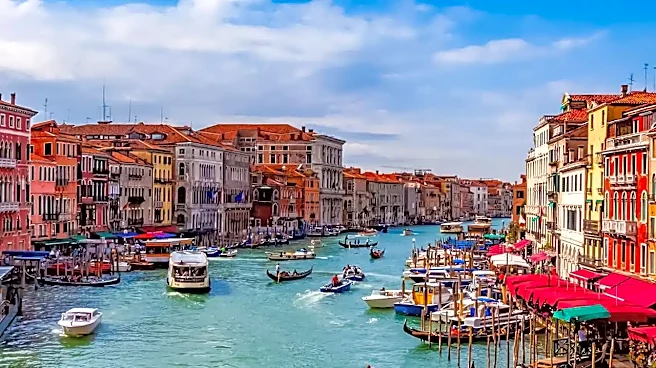
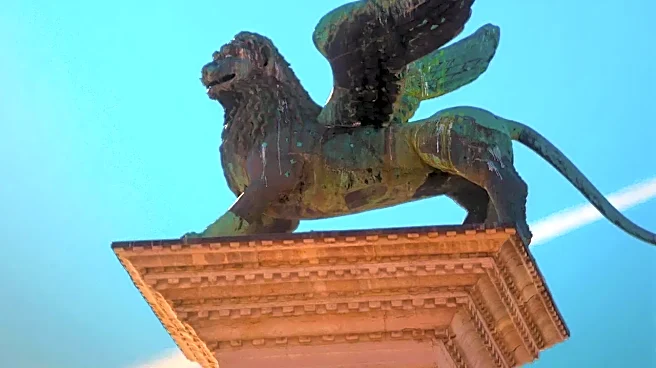
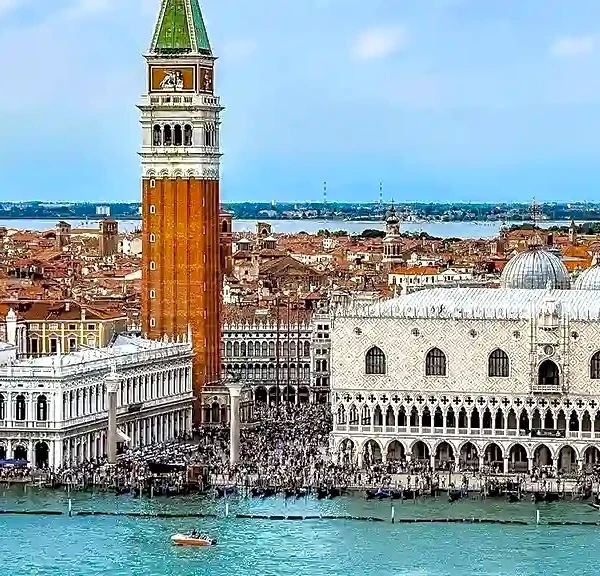
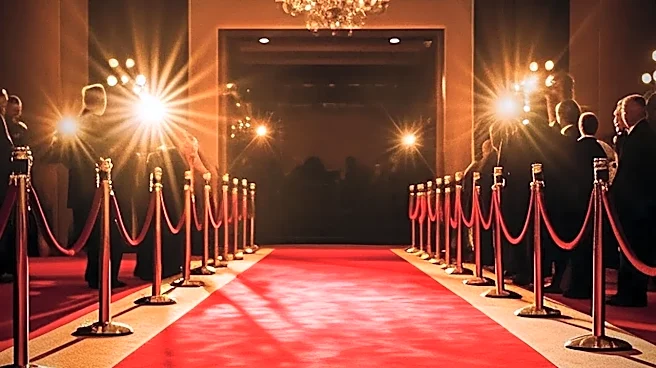
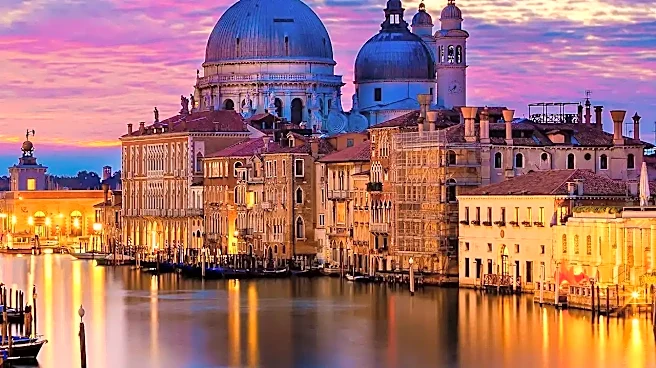
A comeback can happen anywhere, but a comeback at the Venice Film Festival hits different. Unlike a commercial blockbuster premiere in Hollywood, Venice carries an aura of artistic prestige and old-world glamour. It's one of the “big three” international film festivals, and a lengthy standing ovation there is seen as a stamp of genuine artistic merit, not just commercial hype. The setting itself—the historic Sala Grande, the red carpet along the Lido—adds a layer of cinematic drama to the real-life event. When an audience of discerning critics and cinephiles erupts in applause for several minutes, it becomes a powerful, emotional validation. This isn’t just a movie doing well; it’s the art world collectively welcoming an artist back into the fold. This environment transforms a simple movie screening into a coronation, making the comeback feel both legitimate and momentous.
The Modern Template: Brendan Fraser's Return
You can’t talk about Venice comebacks without talking about Brendan Fraser. In 2022, his emotional response to a six-minute standing ovation for "The Whale" became a cultural moment. Fraser had been a beloved star in the ‘90s before largely disappearing from leading roles due to physical injuries and personal reasons. Seeing him overcome with emotion as the crowd refused to let him leave the theater was more than just a good review; it was a collective, public outpouring of affection for an actor many felt had been gone too long. The videos went viral, not just because people were happy about the movie, but because they were happy for him. This event set the modern template for what a festival comeback looks like and feels like, turning a film premiere into a story of personal and professional redemption that audiences worldwide could invest in.
Our Role in the Comeback Story
The final piece of the puzzle is the audience. In the age of social media, fans are no longer passive observers; they are active participants in crafting the comeback narrative. Cheering for a returning star becomes a way of showing loyalty and pushing back against a culture that can be quick to discard people. It’s a way of saying, “We didn’t forget you.” When videos of an ovation circulate, the act of sharing, commenting, and celebrating extends the moment far beyond the festival walls. This collective embrace creates a powerful feedback loop. The actor feels the support, the media reports on the phenomenon, and the film gains momentum. Fans feel a sense of ownership and emotional investment, as if their support helped make the comeback possible. It becomes a shared, cathartic experience, proving that sometimes, the audience wants to do more than just watch a movie—they want to help write a happy ending.