
The Post-War Uniform of Conformity
Menswear in the 1940s was defined by one major global event: World War II. During the war, fashion was utilitarian and heavily restricted by fabric rationing. Men’s suits were simplified, often losing details like pocket flaps, trouser cuffs, and vests
to conserve material. The silhouette was broad in the shoulders but otherwise conservative, reflecting a collective spirit of duty and sacrifice. After the war, this sense of conformity lingered. The ideal was the respectable “man in the grey flannel suit.” Style was about blending in, not standing out. Even the so-called “Bold Look” of the late 1940s, which featured double-breasted jackets and fuller trousers, was an evolution of a formal, suit-centric culture. It was the uniform of adults who had lived through depression and war, and it prioritized maturity and responsibility over individuality.
The Birth of the Teenager
The 1950s ushered in a period of unprecedented economic prosperity in the United States. For the first time, a distinct social group emerged with its own identity and disposable income: the teenager. Unlike their parents, who had been shaped by hardship, this new generation was defined by leisure, optimism, and a desire to forge its own culture. The soundtrack to this revolution was rock and roll—a high-energy fusion of country and rhythm and blues that felt dangerous, exciting, and entirely their own. Artists like Elvis Presley, Carl Perkins, and Johnny Cash didn't just provide new music; they offered a new way to look and act, creating a style that was a direct expression of rebellion against the staid norms of their parents' generation.
Denim, Leather, and Defiance
The core of rockabilly fashion was built from items that directly contradicted the 1940s professional wardrobe. At the center of it were blue jeans. Previously considered rugged workwear for laborers, cuffed denim jeans became a symbol of casual rebellion. Paired with a simple white T-shirt—once strictly an undergarment—this combination was a radical departure from the formal shirt and tie. The most iconic piece, the leather jacket, was cemented in the cultural imagination by Marlon Brando in “The Wild One” (1953) and James Dean in “Rebel Without a Cause” (1955). It was the antithesis of a wool suit jacket: tough, edgy, and associated with motorcycle culture and non-conformity. Each piece was a deliberate choice to step away from the expected.
Adding Flash and Personality
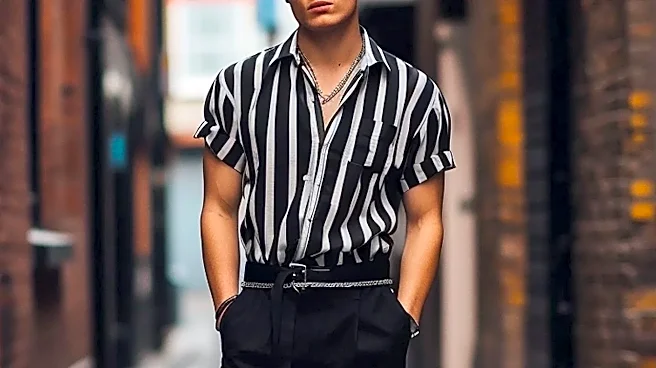
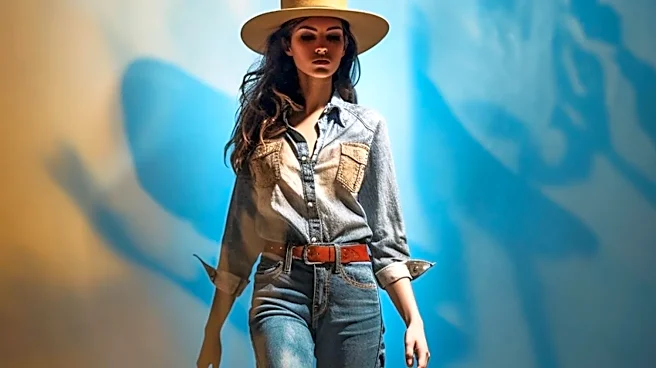
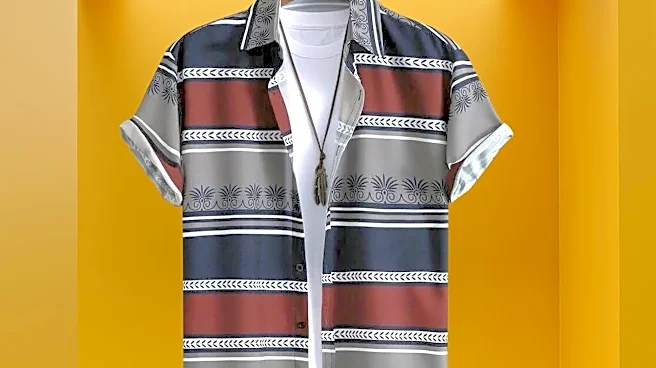
But rockabilly wasn't just about rejecting the old; it was also about embracing the new with flamboyant confidence. Where 1940s suits were often drab, 1950s rockabilly style introduced loud patterns and bright colors. Bowling shirts and Hawaiian camp shirts, with their bold prints and casual cuts, became popular choices. Western-style shirts with distinctive piping and snaps also added a unique flair, nodding to the “hillbilly” side of rockabilly’s musical roots. This expressive showmanship extended to grooming. While 1940s men favored short, neat haircuts, rockabilly guys piled their hair high into slicked-back pompadours and ducktails, held in place with pomade. This was a style that demanded to be seen.