





The Trend Treadmill
The fashion industry operates on a cyclical model where trends are introduced, rise in popularity, peak, decline, and eventually become obsolete. This cycle, once spanning years, has been dramatically compressed by social media, where micro-trends can
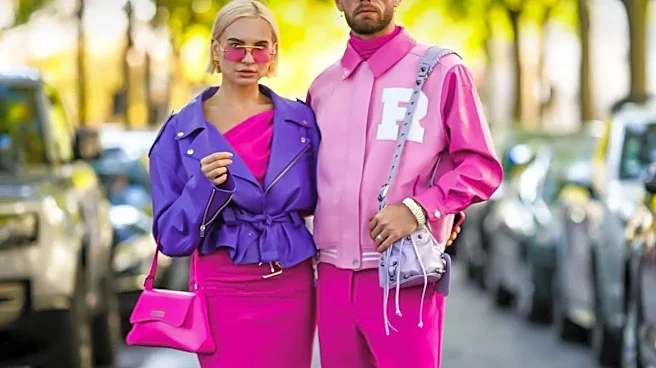
emerge and vanish in a single season. Each September and February, fashion weeks set the tone, dictating not just silhouettes but a whole new palette of must-have colors. The result for many is a closet full of clothes that feel dated almost as soon as they're purchased and a nagging sense that you’re always one step behind. This constant churn fuels consumption, leading to wardrobe dissatisfaction and regrettable purchases that never quite feel right.
What Is Personal Color, Anyway?
Enter personal color analysis, a concept that has been around for decades but is finding new relevance. At its core, it's a method to determine which specific shades harmonize with your natural coloring—your skin's undertone, eye color, and hair color. Professionals use a process, often involving colored drapes, to see which hues make your skin look radiant and your eyes bright, and which ones might make you look tired or washed out. The system often categorizes palettes into 'seasons'—like Spring, Summer, Autumn, and Winter—each representing a distinct family of colors based on their temperature (warm vs. cool) and intensity (clear vs. muted). The goal isn't to create restrictive rules, but to provide a personalized framework that enhances your natural beauty.
A Filter, Not a Restriction
The true power of knowing your colors isn't about avoiding trends; it's about learning how to translate them. Think of your personal palette as a filter. When Fashion Week declares, for example, that cerulean blue is the color of the moment, you don’t have to take it literally. If your palette is warmer, you might interpret that trend as a rich teal or a vibrant turquoise. If your coloring is more muted, a soft powder blue might be your version. This approach empowers you to participate in fashion on your own terms. You're no longer a passive recipient of top-down mandates but an active interpreter, selecting and adapting what works for you. It shifts the focus from 'what's in style?' to 'what's my style?'.
More Than Just Clothes
Adopting a personal color philosophy has benefits that extend far beyond your closet. Firstly, it’s a more sustainable approach to fashion. By investing in colors you know will flatter you for years, you reduce impulse buys and the clothing waste that comes with them. Secondly, it’s economically savvy. Shopping becomes more efficient and targeted, saving you from costly mistakes on items that end up unworn. But perhaps the most significant benefit is the boost in confidence. There's an ease that comes with knowing that every piece in your wardrobe is working for you. It simplifies getting dressed and allows you to build a cohesive, mix-and-match wardrobe that feels authentically and effortlessly you.