






The 'Just-in-Case' Trap
Here it is, the original sin of festival packing: preparing for every imaginary possibility. The 'just-in-case' mindset tricks you into bringing items for scenarios that have a near-zero chance of happening. That sequin blazer in case you meet the band?
The extra pair of bulky boots in case of a freak snowstorm in July? This is what fills your bag with dead weight. An outdoor expert highlighted this exact issue, noting it's tempting to bring these items, but every extra pound becomes a burden when you're trekking across a massive field to your campsite. The reality of a festival weekend is that you'll be tired, navigating crowds, and dealing with potentially muddy or dusty conditions. Your focus should be on comfort and convenience, not a wardrobe that can handle a dozen different unlikely events. The goal isn't to be ready for anything; it's to be prepared for the actual things you'll encounter.
Adopt a Multi-Use Mindset
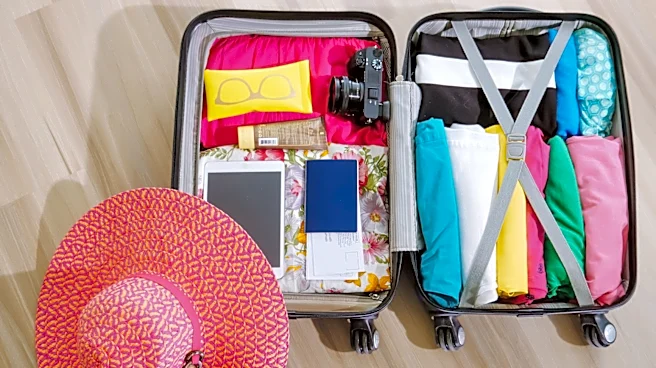
The antidote to the 'just-in-case' trap is embracing multi-purpose items. Instead of packing five different specialized things, find one or two versatile workhorses. A large, soft bandana or sarong is a perfect example. It can be a scarf for warmth, a dust mask for a dry field, a towel in a pinch, a headband, a blanket to sit on, or even tied into a makeshift bag. Likewise, a quality bodysuit can be the foundation for several outfits. Wear it with shorts during the day, layer it under a flannel at night, or pair it with leggings for a different look entirely. This strategy isn't about deprivation; it's about efficiency. Packing cubes can help you organize these modular outfits, while using solid toiletries (like shampoo bars and toothpaste tabs) saves space and prevents disastrous spills.
Your Wardrobe, Remixed
When it comes to clothes, layering is everything. Temperatures at festivals can swing wildly from a blazing hot afternoon to a chilly night. Instead of packing a bulky coat, think in layers: a base layer (like a tank or tee), a mid-layer (a flannel or lightweight hoodie), and a waterproof outer shell. This system allows you to adapt to changing conditions without hauling around a massive parka. Footwear is another area where beginners go wrong, often prioritizing style over comfort. You will be on your feet for hours, so bring one pair of comfortable, broken-in shoes like sturdy boots or supportive sneakers. A second pair of lightweight shoes, like sandals for the campsite, is a smart addition, but leave the high heels and brand-new boots at home. Pack more socks than you think you need; dry socks can feel like the ultimate luxury after a long day or a sudden downpour.
The Art of What to Leave Behind
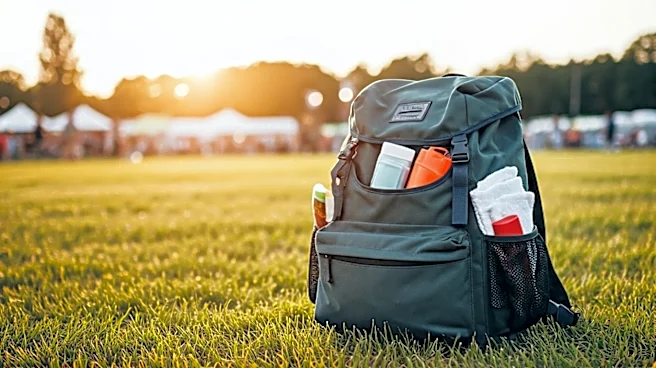
An expert packer knows that what you don't bring is as important as what you do. First, check your festival's official website for a list of prohibited items. Things like aerosol cans (including some sunscreens and dry shampoos), glass containers, and professional cameras are often banned. Leave behind full-size toiletries; travel-size containers or solid alternatives are your best friends. Don't bring a huge, rolling suitcase; they are a nightmare on uneven or muddy festival grounds. A sturdy backpack or a large duffle bag is a much better choice. Also, resist the urge to bring expensive or irreplaceable items. Designer sunglasses and sentimental jewelry are easily lost, broken, or misplaced in the beautiful chaos of a festival weekend. Stick to gear you can afford to part with.