







The Comfort of Camouflage: Dressing to Fit In
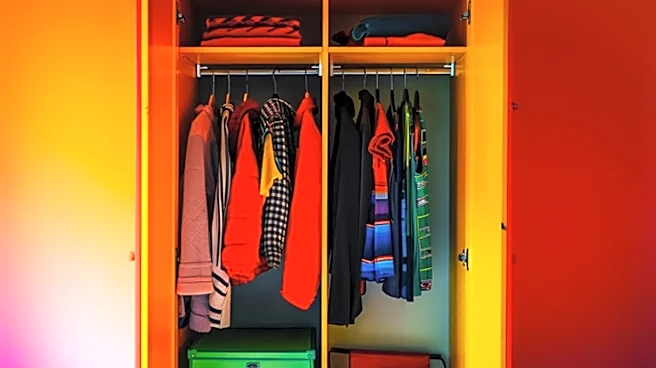
Dressing to fit in is an exercise in social survival. It’s about scanning the room—whether that room is an office, a party, or a city street—and adopting its visual language to blend in seamlessly. This motivation is rooted in a powerful desire for safety
and acceptance. By adhering to the established norms of a group, you minimize the risk of being singled out, judged, or rejected. This isn't necessarily a sign of weakness; it's a pragmatic strategy. For instance, wearing a conservative suit to a corporate job interview isn't about sacrificing your personality. It's about communicating respect for the environment and signaling that you understand the rules of the game. The psychological payoff is a sense of belonging and stability. The goal is to avoid negative attention, to become part of the background so you can navigate a social situation with minimal friction. It’s a form of public conformity, where your outward appearance aligns with the group, even if your private feelings differ.
The Power of Proclamation: Dressing to Be Seen
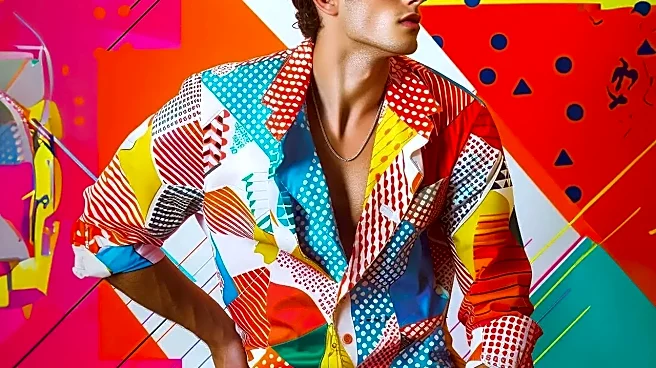
Dressing to be seen, on the other hand, is an act of self-proclamation. It’s not about screaming for attention, but about expressing your internal world externally. This approach, sometimes called 'dopamine dressing', involves choosing clothes that genuinely bring you joy, boost your mood, and feel like an extension of your identity. The focus shifts from 'What do they expect me to wear?' to 'What makes me feel like myself?'. This is where personal style becomes a tool for building confidence, with studies on 'enclothed cognition' showing that the clothes we wear can genuinely influence our thoughts and feelings. Wearing an outfit that feels authentic can make you feel more grounded and secure in who you are. The goal isn't just to be noticed, but to be understood. It’s about sending a signal to the world about your personality and values, inviting connection based on who you truly are.
The Real Difference: External vs. Internal Validation
Herein lies the fundamental difference. Dressing to fit in is fueled by a search for external validation. Its success is measured by the absence of negative reactions from others. You know you've succeeded when no one bats an eye, when you're accepted into the fold without question. Dressing to be seen is fueled by internal validation. Its success is measured by how well your outward appearance aligns with your inner sense of self. It’s a feeling of rightness, of confidence that comes from your clothing being a true reflection of your identity. One is about managing others' perceptions to gain acceptance, while the other is about expressing your own truth, regardless of whether it conforms to the norm. Fitting in is about hiding parts of yourself for the sake of harmony; being seen is about revealing yourself for the sake of authenticity.
It's Not a Battle, It's a Balance
It’s tempting to frame this as a battle between conformity and individuality, but the reality is more nuanced. Most of us navigate a spectrum between these two poles every single day. You might dress to fit in for a formal work presentation and then dress to be seen for a weekend brunch with friends. Neither impulse is inherently 'better' than the other. Optimal Distinctiveness Theory in psychology suggests people naturally seek a balance between fitting in and standing out. Too much conformity can feel stifling, while too much differentiation can lead to social anxiety. The key is awareness. Understanding why you're making a certain choice—whether it’s for comfort, confidence, acceptance, or expression—turns getting dressed from a chore into a conscious act of self-curation. The goal isn’t to abandon trends or social norms entirely, but to engage with them thoughtfully, taking what resonates and leaving what doesn’t.