
The Quiet Before the Storm
Before the 10,000 fans descend on Fort Adams State Park, the Newport Folk Festival exists in a state of suspended animation. Sailboats bob gently in the harbor, and the only audience for a midday soundcheck might be a handful of sound technicians and gulls.
An artist, maybe a buzzy newcomer or a seasoned veteran, stands on one of the iconic stages, their voice cutting through the humid air. They play a chorus, check a monitor, and confer with the crew. The song is there, but it’s just a blueprint, a melody waiting for its soul. This is the performance in its most skeletal form—technically proficient, emotionally vacant. It’s the set before the magic, a necessary procedure before the real show can begin.
Finding the Connection
As the festival kicks into gear, the artist returns to a transformed scene. The field is a sprawling patchwork of blankets, the air thick with anticipation. The first few songs are a conversation, a feeling-out process. An artist might deliver heartfelt lyrics, like those from Madi Diaz, or command the stage with the theatrical confidence of Father John Misty. The crowd listens, cheers, and applauds. It’s a traditional concert dynamic, a brilliant performer sharing their work with an appreciative audience. But at Newport, this is just the opening act for a much deeper connection. The energy builds, but the boundary between the stage and the crowd remains firmly in place.
When the Choir Arrives
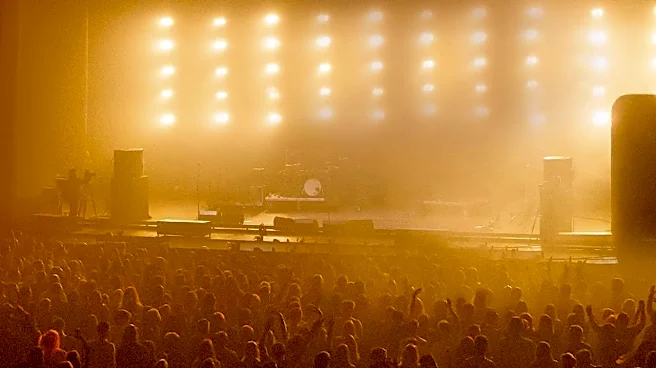
Then, it happens. It might be during a beloved classic or a breakout hit. A performer like The Lumineers will launch into a fan favorite, and as the chorus arrives, a murmur from the crowd swells into a roar. Suddenly, 10,000 voices take over the lead vocal. The artist on stage often steps back from the mic, a look of awe on their face as their song is sung back to them, amplified by the collective passion of the audience. It's a moment of pure communion, where the performance is no longer a one-way broadcast but a shared creation. Recent festivals saw this with artists like Lauryn Hill leading a singalong of her classics and the crowd joining in for rousing finales that turn the entire park into a single, unified choir. The song changes, taking on the weight and joy of every person singing along.
A Shared Moment of Creation
For the artists, this moment is often the highlight of their set, if not their year. It's a tangible, audible confirmation that the music has connected. It's not just applause; it's participation. This phenomenon is woven into the very fabric of Newport. The festival's long history is built on collaboration and surprise, and the audience is considered the final, crucial collaborator. Whether it's a planned finale where dozens of musicians fill the stage or a spontaneous eruption of voices during an intimate acoustic set, the line between performer and fan blurs completely. The artists don't just play for the crowd; they play with them.
The Secret Ingredient of Newport
This unique dynamic isn’t an accident; it’s a core part of the Newport ethos. Founded in 1959, the festival has always prioritized community and musical diversity over commercialism. Its intimate scale and deep-seated traditions foster an atmosphere of shared experience. From its role in the Civil Rights Movement, with anthems like "We Shall Overcome" echoing across the grounds, to modern-day surprise appearances, Newport has always been about more than just the notes being played. It’s about the feeling they create together. The artists who thrive here are the ones who understand that the song is only finished when the crowd sings it back.