




The Stage vs. The Step-and-Repeat
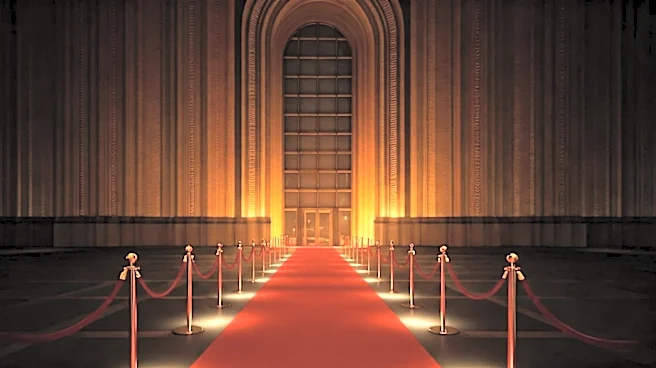
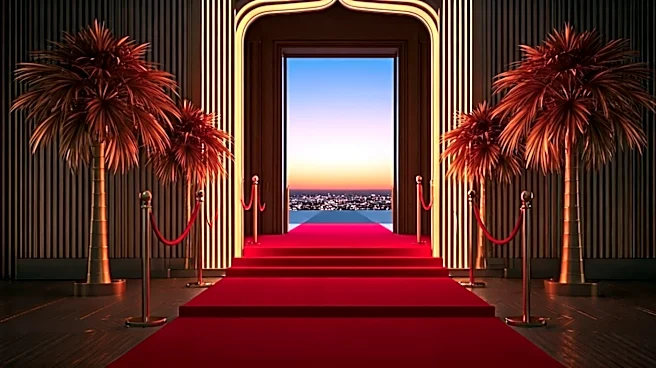
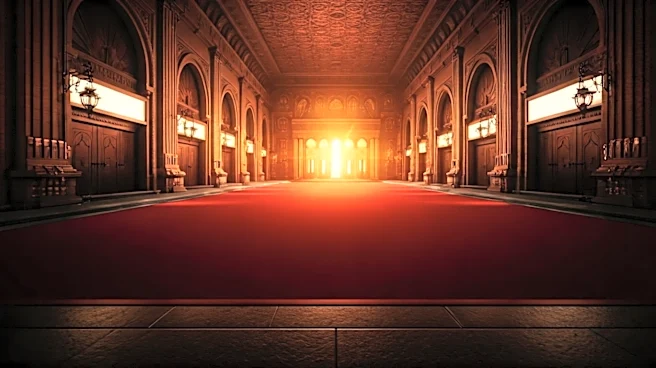
First, let’s talk about the red carpet. A typical Hollywood premiere has a “step-and-repeat,” a frantic, transactional corridor where stars pose against a logo-plastered wall for a scrum of photographers. It’s functional, but it’s rarely majestic. Cannes, however, has the *Montée des Marches*—the “climbing of the steps” of the Palais des Festivals. It’s not a corridor; it’s a grand ascent. The carpet is a vibrant crimson, the dress code is famously strict black-tie, and the pace is deliberately theatrical. Photographers line the sides like sentinels, and at the top, festival director Thierry Frémaux often greets the talent. This isn’t just a photo op; it’s a cinematic ritual broadcast to the world. The glamour isn’t just in the couture gowns
but in the choreographed reverence for the act of presenting a film. It makes a standard premiere look like a quick stop at a mall photo booth.
The Global Cauldron of Opinion
A standard press tour is a carefully controlled environment. Stars are shuttled between friendly talk show couches and hotel suites for press junkets, where interviews are timed to the second. The goal is message management: sell the movie, be charming, and avoid controversy. The press is largely domestic, focused on the American market. Cannes is the opposite. It’s a chaotic, unfiltered cauldron of global opinion. The press corps is a legion of the world's most discerning, and often ruthless, critics from dozens of countries. They are not there to be charmed; they are there to judge. A film screening at Cannes is met with immediate, raw feedback. Tumultuous applause and minutes-long standing ovations are legendary. But so are the walkouts and the chorus of boos for a film that fails to impress. This high-stakes, public verdict can instantly shape a film’s narrative—for better or worse—on a global scale.
Where Art and Commerce Collide
A standard press tour serves one master: commerce. Its entire purpose is to drive box office receipts for a finished product. Cannes, on the other hand, operates on a fascinating dual track. In the Palais, filmmakers are competing for the Palme d'Or, one of cinema's highest artistic honors. It’s a celebration of film as an art form, where challenging, non-commercial work is championed. But just a few floors below, in the Marché du Film, a frantic market is in full swing. Producers, distributors, and financiers from around the world are cutting deals, buying and selling scripts, and financing the next wave of cinema. A film might secure its entire international distribution in a matter of days. A press tour promotes what’s already made; Cannes creates the future of the industry while celebrating its present. It's both a temple of art and a Wall Street trading floor.
The Career-Making Engine
For a press tour, the movie is the star. For an actor, it's about fulfilling a contractual obligation. At Cannes, an actor or director can become a legend overnight. A breakout performance in a small, unknown film can launch an international career. Think of how Quentin Tarantino went from indie darling to global heavyweight when *Pulp Fiction* won the Palme d'Or in 1994. Think of the actors whose dramatic red-carpet looks become iconic moments in fashion history. Cannes offers a unique platform for reinvention. An actor known for blockbusters can earn new respect by appearing in a challenging European art film. A director can cement their status as an auteur with a competition slot. A standing ovation isn't just a nice moment; it’s a tangible asset that can add millions to a film’s value and rewrite a career trajectory. A standard press tour helps you sell a movie; Cannes can help you build a legacy.