






The Golden Age of the Early Weekend
For decades, the Summer Friday has been a holy grail of office life. It’s a simple, powerful concept: companies allow employees to leave early on Fridays between Memorial Day and Labor Day, often by working slightly longer hours Monday through Thursday.
What was once a niche benefit, mostly in industries like advertising and publishing, has gone mainstream. The post-pandemic push for work-life balance and flexibility supercharged the trend. For companies competing for talent, offering a head start on the weekend became a low-cost, high-impact way to boost morale and prevent burnout. It’s an acknowledgment that when the weather is good, the last place anyone wants to be is staring at a spreadsheet. This perk is now a key part of the modern American workplace conversation, a symbol of a company that trusts its people to get their work done and enjoy their lives.
A Juggernaut on a Collision Course
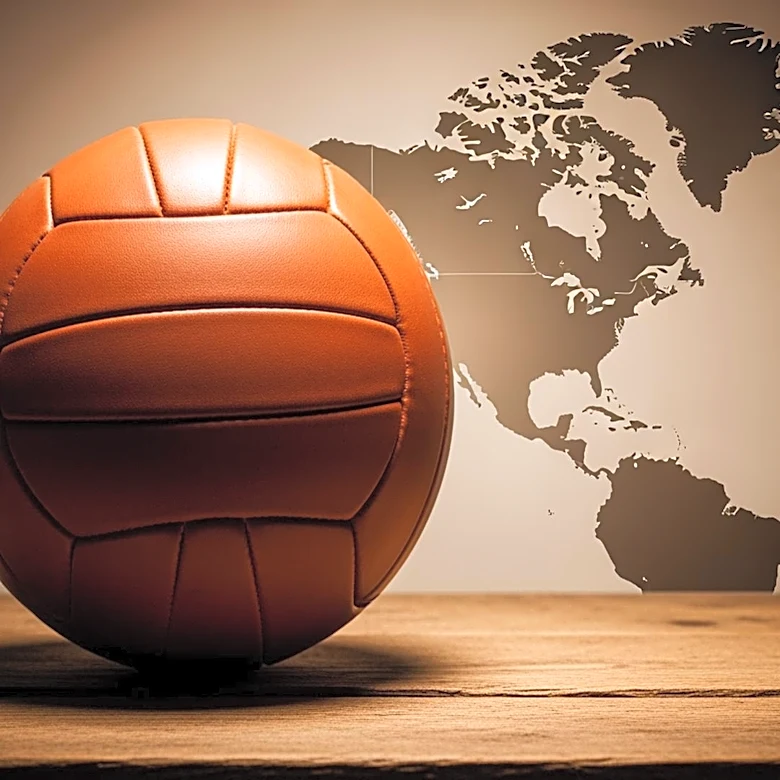
Now, enter the 2026 FIFA World Cup. This isn’t just any tournament. For the first time since 1994, the world’s biggest single-sport event is returning to North America, with dozens of matches held in 11 major U.S. cities. The tournament runs from early June to mid-July—smack in the middle of Summer Friday season. Crucially, with games hosted across the Eastern, Central, and Pacific time zones, many marquee matches will take place during the American workday. We’re not talking about waking up at 6 a.m. to catch a game from Qatar; we’re talking about a 3 p.m. ET kickoff for a knockout-stage match featuring the U.S. Men’s National Team. Soccer’s popularity in the U.S. has exploded, especially among the Millennial and Gen Z workers who now dominate the workforce. The demand to watch will be unprecedented.
The Productivity vs. Passion Dilemma
This sets up a massive dilemma for American employers. Do they stick to business as usual, pretending a cultural event captivating tens of millions isn't happening? The likely result is a severe case of “presenteeism”—employees will be physically at their desks (or logged on at home) but mentally checked out, secretly streaming games on a second monitor and torpedoing productivity. The alternative is acknowledging reality. The 2026 World Cup will be the biggest test yet of the flexible work culture that companies have spent the last few years building. For managers, the question becomes: do you fight a losing battle against a cultural tide, or do you find a way to ride it? Forcing employees to choose between their job and a once-in-a-generation national sports moment is a recipe for resentment.
The Future Is Flexible (and Has Commercials)
So how could this actually change things? We’ll likely see a spectrum of responses. Some forward-thinking companies will lean in, officially sanctioning game-watching. This could mean turning conference rooms into viewing lounges, using matches as team-building events, or even sponsoring office-wide bracket challenges. Others will double down on flexibility. Instead of a rigid 1 p.m. departure for Summer Fridays, companies might offer “flex-Fridays,” where employees can structure their day around key matches, as long as their work is complete. The tournament could normalize the idea that productivity isn’t tied to a specific nine-to-five block of time. It may inadvertently serve as a nationwide pilot program for a more asynchronous and trust-based work model. The most rigid companies might see a surge in suspicious, last-minute “dentist appointments” on game days, proving that when culture and corporate policy clash, culture almost always wins.