


The Unseen Architecture of Fear
Before we can appreciate them, we have to define them. At an event like Halloween Horror Nights (HHN), 'transitions' are not just the physical pathways you walk from a 'Friday the 13th' house to a 'Terrifier' scare zone. They are the entire atmospheric
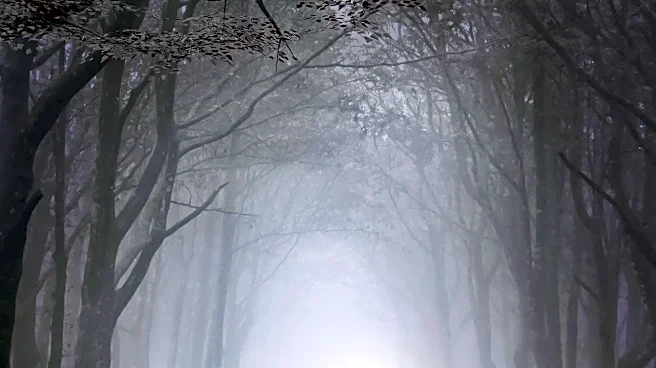
experience of that journey. It’s the way the triumphant, bloody score from one intellectual property (IP) fades out, replaced by ambient cricket sounds and the distant hum of a chainsaw. It’s the strategic use of fog, the changing color of the streetlights, and the feeling that you are moving from one distinct nightmare to another without ever truly being 'safe'. While fans understandably focus on the high-intensity attractions, these transitional moments are meticulously designed to manage the guest's emotional state, ensuring the entire park feels like a single, cohesive world of horror.
Guardians of the All-Important Vibe
The primary job of a transition is to protect the immersion. Without them, HHN would feel less like a descent into madness and more like a haunted house checklist. The creative teams behind the event talk about creating a total 'Horror Nights vibe' where you never feel like you’re outside the experience. The walks between major attractions are where this spell is most fragile. If you exit a terrifying house and immediately walk into a brightly lit area with pop music playing, the carefully crafted tension dissipates. Instead, HHN uses these spaces to bleed the horror into the streets. The audio design shifts, the lighting remains moody, and you might even encounter strolling scareactors not confined to a specific zone. This makes the park itself feel alive and menacing, turning a simple walk into part of the show and preventing guests from mentally checking out between scares.
The Art of the Emotional Palate Cleanser
Constant, high-intensity scares are exhausting. A key reason transitions matter is pacing. Think of them as the deliberate rests in a piece of music or the chapter breaks in a novel. They give your adrenal system a moment to recover, making the next big scare even more effective. A relentless barrage of jump scares eventually leads to numbness, but the lulls provided by a foggy, eerily quiet path allow anticipation to build again. This is a subtle but critical part of horror psychology. By forcing you to walk through a less intense but still unsettling environment, the designers are resetting your fear threshold. The relative calm makes the chaos of the next scare zone or the claustrophobia of the next house feel explosive by comparison, creating a more dynamic and ultimately more frightening experience over the course of a long night.
Subtle Storytelling and World-Building
While many of the main houses at HHN are based on separate, disconnected IPs, the transitions often do the quiet work of weaving a larger narrative for the event's original concepts. The sounds and ambient characters in these spaces can hint at a larger lore, connecting the themes of different scare zones or alluding to an overarching story helmed by an event icon. Charles Gray, a show director for the event, has spoken about the importance of the environmental sounds and audio tracks in creating lasting memories and a sense of place. These elements transform a walk across the park into an act of subtle discovery. For hardcore fans, picking up on these cues is part of the fun, making the entire event feel richer and more thoughtfully constructed than a simple collection of haunted attractions. It rewards attention and transforms the park into a living story.