



From Underground Clubs to National Phenomenon
Disco didn't emerge in a vacuum. It was born on the dance floors of underground clubs in cities like New York, providing a sanctuary for Black, Latino, and LGBTQ+ communities. In an era of social upheaval, these spaces became havens for self-expression,
where the clothes were as important as the pulsating beat. Fashion became a tool of liberation and joyful resistance. What started as a subculture exploded into the mainstream, thanks in large part to the 1977 film Saturday Night Fever. Suddenly, the decadent glamour of clubs like Studio 54, once reserved for a select few, became an aspirational look for an entire generation seeking escapism and sophistication.
The Look: Freedom in Fabric and Form
For women, disco fashion was a declaration of power and body confidence. The iconic jersey wrap dress, popularized by Diane von Furstenberg, offered an elegant silhouette that could go from the office to the dance floor. Halter tops, wide-leg trousers, and flowing jumpsuits in materials like satin and jersey allowed for a new freedom of movement, essential for dances like the Hustle. For men, the era sparked a "peacock revolution." Inspired by John Travolta's iconic white three-piece suit, men embraced flamboyance with tight-fitting, flared pants, wide-lapel shirts unbuttoned to the chest, and gold chains. It was a departure from the staid menswear of previous decades, redefining masculinity through sensuality and style.
The Science of Shine and Stretch
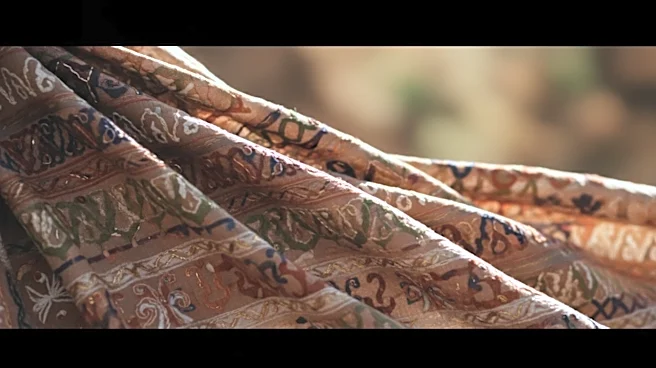
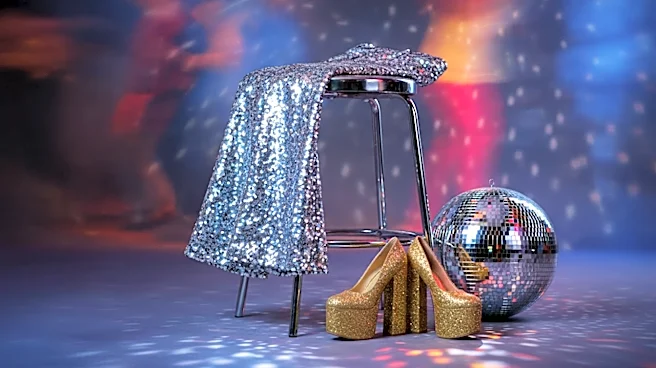
The disco look would not have been possible without the era's textile innovations. This was the Polyester Decade, when synthetic fabrics made bold styles affordable and accessible. Materials like spandex, polyester, and Qiana offered stretch and comfort, perfect for a night of dancing. But the defining textures of disco were all about catching the light. Sequins, glitter, and metallic fabrics like lurex were essential, designed to shimmer and reflect under the spinning disco ball, turning every dancer into part of the spectacle. These materials weren't just for show; they symbolized the celebratory, larger-than-life attitude of the entire movement.
Stepping Up: The Platform Shoe
No disco outfit was complete without a pair of towering platform shoes. Worn by both men and women, these shoes added dramatic height and an unmistakable swagger. Soles could range from a modest two inches to a staggering six, crafted from wood, cork, or plastic and covered in everything from leather to glitter. Platform boots and sandals were staples, transforming the wearer's posture and creating a powerful, elongated silhouette. They were the foundation of disco style, quite literally elevating dancers and giving them a larger-than-life presence on the floor.
A Legacy That Still Shines
Though the disco era itself was short-lived, its impact on fashion is undeniable. The movement broke down rigid gender norms in clothing, encouraging a more fluid and expressive approach to style that persists today. It democratized glamour, proving that shine and opulence weren't just for the wealthy elite. Today, disco's influence echoes in contemporary fashion. Wide-leg trousers, sequined dresses for holiday parties, and metallic accents all draw from its playbook. Designers like Tom Ford and Gucci have repeatedly referenced the era in their collections, while artists from Dua Lipa to Harry Styles channel its aesthetic, proving its timeless appeal. Disco taught us that fashion could be a form of joy and self-expression, a lesson that continues to inspire.