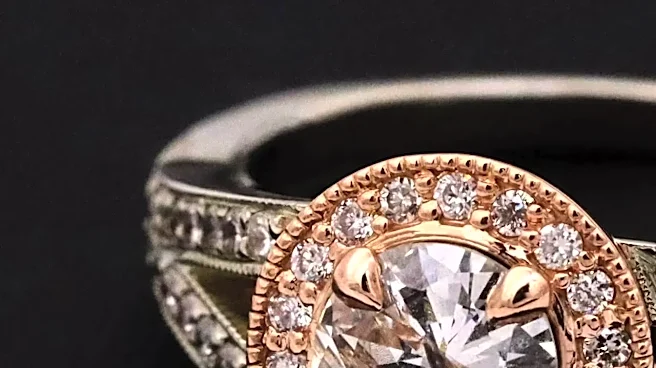








The Secret in the Alloy
First, let's get one thing straight: there's no such thing as naturally occurring, pure rose gold. Like other gold used in jewelry, it's an alloy. Pure 24k gold is too soft for everyday wear, so it’s mixed with other metals to strengthen it. What makes
rose gold special is its primary alloying metal: copper. An typical 18k rose gold piece is about 75% pure gold, with the rest being mostly copper and a small amount of silver. The copper is what imparts the signature pink or reddish hue. This isn't just an aesthetic choice; it’s the foundation of rose gold's investment-grade qualities. The price of a piece is primarily determined by its gold content (the karat), so a 14k rose gold item has the same intrinsic gold value as a 14k yellow gold one. The difference, and the advantage, comes from what that other metal brings to the table.
The Durability Dividend
When you're talking about an investment piece—something you want to last for decades, perhaps even generations—durability is paramount. This is where rose gold truly shines. Copper is a much harder metal than the silver and zinc often used to alloy yellow gold. That infusion of copper makes rose gold significantly more durable and resistant to scratches and dings than its yellow gold counterpart. It doesn't require the rhodium plating that white gold needs to maintain its color, which can wear away over time. Rose gold's color is consistent throughout the entire metal, meaning it won't fade or change. This inherent toughness ensures that a rose gold watch or ring will stand up to daily wear far better, preserving its condition and, therefore, its long-term value. It’s a practical feature that pays dividends in longevity.
A Rich History Beyond the Trend
While it may feel like a modern obsession, rose gold has a distinguished history that anchors its value. It first gained prominence in 19th-century Russia, where the famed jeweler Carl Fabergé used it in his opulent creations for the czars. Initially called "Russian Gold," its popularity spread, and it had a major moment in the Art Deco period of the 1920s, with houses like Cartier championing its warm, feminine appeal in iconic designs like the Trinity Ring. Its use was further solidified during World War II when platinum became a strategic material reserved for the war effort, pushing both yellow and rose gold back to the forefront. This cyclical popularity demonstrates that rose gold is not a fleeting fad but a classic choice that periodically captures the cultural zeitgeist, ensuring it never truly goes out of style. Vintage rose gold pieces from its earlier heydays now command premium prices, a testament to their enduring appeal.
The Modern Edge of Understated Luxury
Today, rose gold’s appeal is tied to a sense of understated, modern luxury. Its warm tone is widely considered to complement a broad range of skin tones, often more so than traditional yellow gold. It offers a softer, more romantic alternative to the starkness of white gold or platinum and a more contemporary feel than yellow gold. In a market saturated with traditional choices, rose gold stands out. This distinctiveness gives it a psychological edge; it feels both personal and sophisticated. As demand has surged in recent years for everything from engagement rings to luxury watches, the resale market has strengthened accordingly. While yellow gold remains the most traditional and easily resold metal, rose gold's growing collector base and strong demand among modern buyers have made it a solid store of value.