


The ruby slippers are movie magic legend. But in the world of 'Wicked,' they began as something else entirely. Unpacking the history of Nessarose’s iconic footwear reveals a story that bridges literature, cinematic history, and deep character drama.
First, They Weren't Ruby
Before
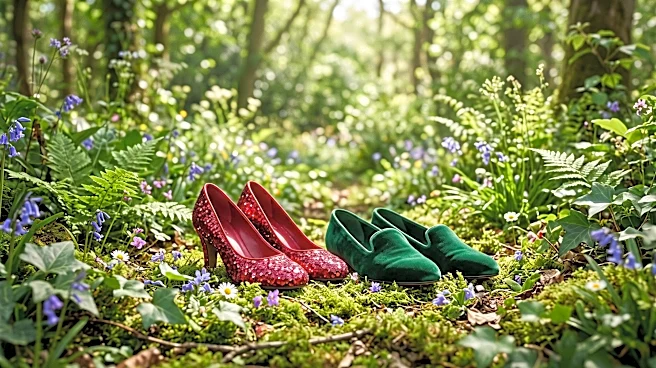
they were the most famous shoes in film history, they were silver. In L. Frank Baum’s 1900 novel 'The Wonderful Wizard of Oz,' Dorothy Gale walks the Yellow Brick Road in a pair of Silver Shoes. These shoes, taken from the Wicked Witch of the East, possess a powerful but unknown charm. It’s only at the story's end that Glinda reveals their secret: they can transport the wearer anywhere in the world with three clicks of the heels. Some scholars even argue the Silver Shoes were part of a political allegory about late 19th-century monetary policy, representing the debate over the silver standard. The 'Wicked' films, by featuring silver shoes for Nessarose, are not just making a stylistic choice; they are deliberately grounding the story in its original literary roots.
The Technicolor Twist
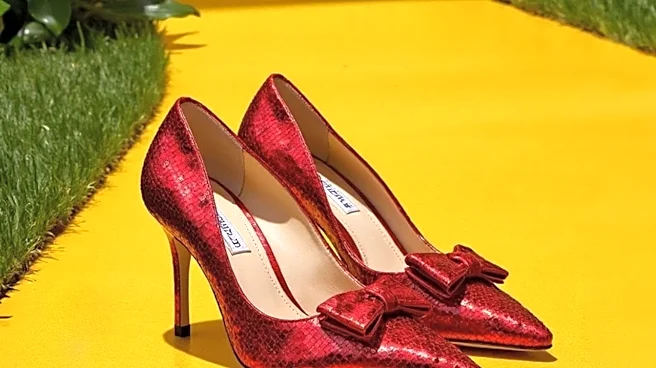
So why do we all remember them as ruby red? Credit MGM and the magic of Technicolor. For the 1939 film adaptation, the studio made a purely aesthetic decision to change the shoes from silver to a brilliant ruby red. The logic was simple: the vibrant red would pop dramatically against the Yellow Brick Road on screen, showcasing the revolutionary new color technology. It was a choice that paid off, cementing the Ruby Slippers as a global pop culture icon. That specific ruby-red design, however, became the intellectual property of MGM (now owned by Warner Bros.), which is why other adaptations, including 'Wicked,' are legally required to steer clear of the ruby version and stick to the public domain silver.
A Symbol of Love and Pain
In the world of 'Wicked,' both Gregory Maguire's novel and the beloved musical transform the shoes from a simple plot device into a complex emotional object. They are a gift from Frex, the father of Elphaba and Nessarose, to his favored, disabled daughter, Nessa. For Elphaba, they are a painful symbol of the paternal love she never received. In the musical, the story is deepened further: Elphaba herself enchants the shoes with a spell, granting her sister the ability to walk for the first time. This act of love and magic gives the shoes an entirely new significance. They represent sisterhood, sacrifice, and the tragic good intentions that pave the road to Nessa’s eventual turn toward tyranny as the Wicked Witch of the East.
The Bridge Between Stories
This is where their true importance for the 'Wicked: For Good' film comes into focus. The shoes are the physical and narrative bridge connecting Elphaba's story to Dorothy's. They are the handoff. The object that passes from Nessarose’s feet, after her unfortunate encounter with a farmhouse, to Dorothy's is not just a pair of shoes; it's a vessel of immense personal history. When Glinda gives them to Dorothy, it’s an act that both protects a magical artifact and deeply betrays Elphaba, sparking her quest to retrieve the last thing that connects her to her sister. Trailers for the films have already shown Dorothy wearing the silver shoes, confirming this direct link. The design in the new films even includes clever details, like heels shaped like tiny tornadoes, perfectly weaving together every layer of this multi_faceted story.