






The Undeniable Allure of the Pleat
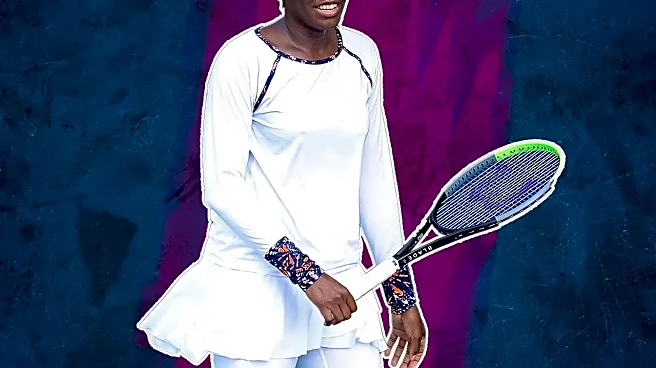
From the prep-school cool of the 1990s to today's dominant athleisure trend, the pleated skirt has proven its staying power. Its appeal is rooted in movement. Each fold catches the light and creates a dynamic, flattering silhouette that’s both structured
and fluid. The micro-pleated tennis skirt, in particular, has become a wardrobe essential, transitioning seamlessly from the court to brunch. But as these skirts have flooded the market, a huge gap in quality has emerged. While two skirts might look identical on the hanger, their performance over time can be dramatically different. One might retain its sharp, graceful folds for years, while another becomes a wrinkled, shapeless mess after a single wash. The secret isn't in the brand name, but in the fabric and the way those tiny pleats are made permanent.
The Engineering Secret: Permanent Heat-Setting
The detail that truly separates a premium pleated skirt from a disposable one is a process called heat-setting. This is the “engineering” that discerning buyers look for. The technique works on synthetic fabrics like polyester, which are thermoplastic. This means that when subjected to high heat and pressure, the fibers essentially melt and reform at a molecular level. Manufacturers place the fabric, often polyester or a poly-blend, between two folded cardboard molds and place it in a steam cabinet or oven. As the fabric heats up, it takes the shape of the mold. When it cools, the pleats are permanently baked into the fabric's structure. This creates a powerful 'memory' in the textile, ensuring the pleats will snap back into place even after washing or being compressed in a suitcase. It’s a permanent finish that lasts the lifetime of the garment.
Not All Pleats Are Created Equal
So, what are the alternatives? Lower-quality skirts often use methods that are faster and cheaper but lack durability. Pleats on natural fibers like cotton or linen, for instance, are typically just pressed into place with an iron. While they look crisp initially, these pleats have no 'memory' and will disappear the moment they get wet, requiring careful re-ironing after every wash. Some manufacturers try to mimic the look by stitching the top few inches of the pleats down, but this only secures the area around the hips and does nothing for the rest of the skirt, which will lose its shape over time. Another method involves using chemical resins to treat natural fabrics, but this can change the feel of the fabric and may involve formaldehyde-based agents. Heat-set polyester remains the gold standard for achieving truly permanent, low-maintenance pleats.
How to Spot a Well-Engineered Skirt
You don't need to be a textile expert to identify a high-quality pleated skirt. First, check the care label for the fabric composition. Look for polyester or a high-polyester blend, as this is the best fabric for holding permanent pleats. Natural fibers like 100% cotton are a red flag for pleat permanence. Next, perform a simple physical test in the store. Gently scrunch a section of the pleats in your hand and then release it. A heat-set skirt will spring back to its original sharp form almost instantly. A poorly pleated one will remain somewhat wrinkled or crushed. Finally, inspect the pleats themselves. They should be incredibly uniform and sharp from the waistband all the way to the hem. Any wavering or softness in the fold suggests it wasn't permanently set.
Why This Detail Matters for Your Wardrobe
Focusing on this one detail is about more than just being a savvy shopper; it's about investing in a garment that will actually last. A skirt with permanently engineered pleats offers a significantly better ownership experience. It looks expensive because the structure is always perfect. It travels well, resisting wrinkles and requiring no special care upon arrival. Most importantly, it's easy to maintain. You can typically wash it on a gentle cycle and hang it to dry, and the pleats will look just as crisp as the day you bought it—no tedious ironing required. By learning to spot this hidden detail, you can avoid the frustration of a one-wash wonder and instead choose a piece that will remain a sharp, stylish, and reliable part of your wardrobe for years to come.