





The Undisputed Global Super Bowl
First, let's establish the stakes. The Super Bowl is America’s biggest annual event, a cultural touchstone drawing around 115 million domestic viewers. The World Cup Final is a global phenomenon that dwarfs it. The 2022 final in Qatar attracted an estimated
1.5 billion viewers worldwide. For 90-plus minutes, a significant portion of the planet stops to watch one game. Placing this spectacle just across the Hudson River from Manhattan—the world's media and financial capital—is a deliberate choice. Every network, every major news outlet, and every global brand has a presence there, ensuring that the amplification of this moment will be unlike anything U.S. soccer has ever experienced. It’s not just hosting a game; it’s plugging the world’s biggest sporting event directly into the world’s most powerful media machine.
A Full-Circle Moment from 1994
To understand the significance of 2026, you have to look back to 1994. The last time the U.S. hosted a men's World Cup Final, it was at the Rose Bowl in Pasadena, California. That tournament was a gamble, a missionary effort to plant the soccer seed in a skeptical nation. It worked. The '94 World Cup was a massive success, leading directly to the creation of Major League Soccer (MLS) in 1996. That final, a tense penalty shootout between Brazil and Italy, felt like a brilliant opening act. The 2026 Final in the New York/New Jersey area feels like the headliner, a graduation ceremony for the sport. It marks the transition from 'Can soccer make it in America?' to 'America is now a central player in global soccer.' The narrative has fundamentally shifted from introduction to affirmation.
The Melting Pot Advantage
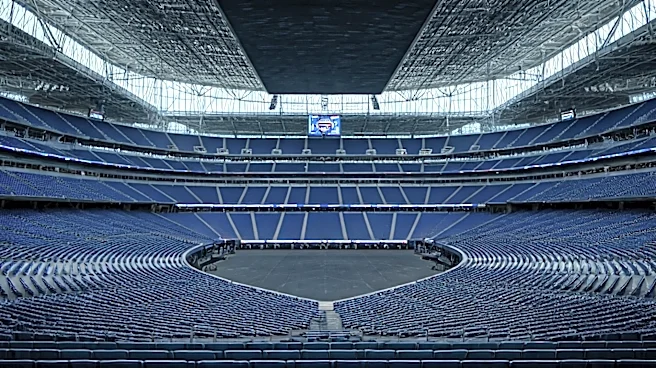
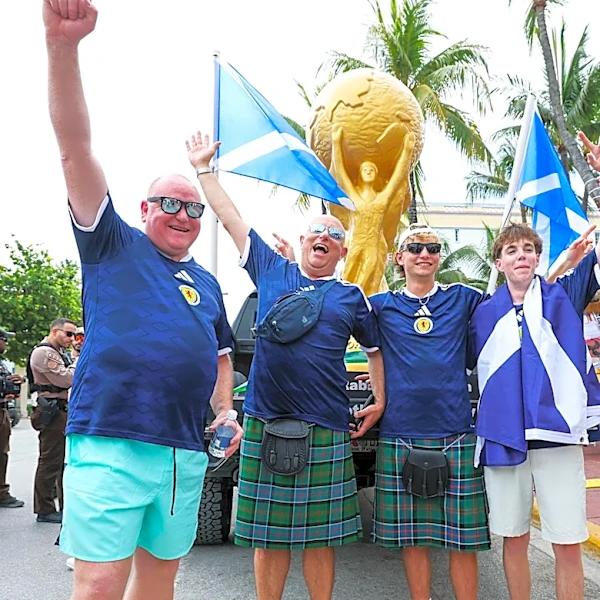
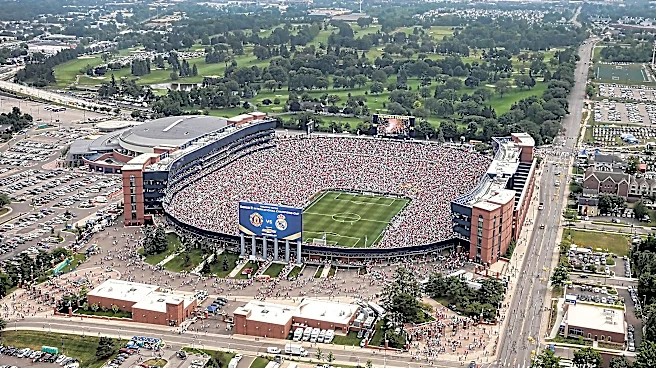
No matter which two nations make it to the final, MetLife Stadium will feel like a home game for both. The New York and New Jersey region is one of the most ethnically and culturally diverse places on the planet. Whether the final features teams from South America, Europe, Africa, or Asia, there are massive, deeply passionate communities of expatriates and second-generation fans ready to bring the noise, the colors, and the authentic atmosphere that makes the World Cup special. This isn't just about filling 82,500 seats; it's about creating a televised spectacle that showcases America not as a neutral host, but as a vibrant, global crossroads where the world's game is truly celebrated. This organic energy is something no marketing budget can buy.
Economic Power and Prime-Time Gold
The decision to award the final to NY/NJ over rivals like Dallas and Los Angeles was also a strategic one. Hosting the final on the East Coast allows for favorable prime-time viewing across Europe and Africa, two massive soccer markets. This maximizes broadcast rights revenue and global viewership, a key consideration for FIFA. Furthermore, the economic impact on the region is projected to be enormous, with estimates suggesting billions in revenue and the creation of thousands of jobs. The proximity to Wall Street means sponsorship and corporate hospitality opportunities are on another level. This event isn't just a game; it’s a massive economic engine set to run at full throttle in the country’s wealthiest metropolitan area.