




The Blueprint of Necessity
It all started with necessity. On the famously low-budget set of 1981’s The Evil Dead, Raimi and his crew couldn’t afford expensive equipment like a Steadicam. Their solution was the “shaky-cam,” often just a camera mounted on a piece of wood and run
through the forest, creating the terrifying, gliding perspective of the film’s demonic force. This DIY ethos bled into the editing room. Working with future filmmaking icon Joel Coen, the team had to make sense of their frantic footage. The result was a lean, aggressive film full of jarring cuts, disorienting angles, and a relentless pace that left audiences breathless. This wasn’t just cutting; it was an assault. The limitations forced a style defined by raw energy, a style Raimi would choose to emulate even when he had massive studio budgets at his disposal.
The Language of the Montage
Few directors love a montage more than Sam Raimi. But these are not your standard, soft-focus training sequences. Raimi’s montages are hyper-caffeinated, storytelling machines that combine whip pans, rapid cuts, and overlapping images to condense time and information with maximum style. Think of Peter Parker feverishly sketching costume designs in Spider-Man or the brilliant gearing-up sequence in Army of Darkness. Raimi uses these moments as a form of visual punctuation. He employs quick-paced editing and eccentric visuals to create chaotic scenes that can juggle multiple emotions, from horror to comedy. This technique became so identifiable that filmmakers like Edgar Wright would later pay homage to the “Raimi-esque” montage in films like Shaun of the Dead.
The Crash Zoom and Other Visual Tricks
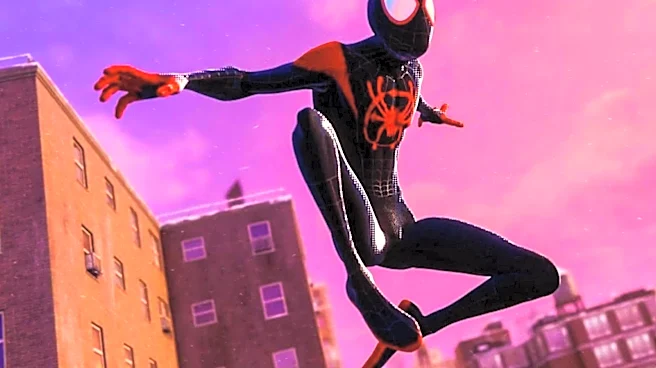
Raimi's editing is inseparable from his camerawork, creating a toolkit of signature moves. The most famous are his whip pans and crash zooms. A whip pan is a blistering fast camera pan that often serves as a transition, blurring two scenes together with a jolt of energy. The crash zoom is its cousin: a sudden, rapid zoom-in on a character's face, often to emphasize shock, terror, or a moment of crazed realization. Combined with his love for Dutch angles—tilting the camera to make a scene feel off-kilter—these techniques create a cinematic language that is both chaotic and controlled. In the Spider-Man trilogy, these horror-inflected editing choices gave the superhero genre a jolt of B-movie energy, using cuts to screaming extras and jarring zooms to sell the impact of every punch and explosion.
From Cult Horror to Blockbuster Language
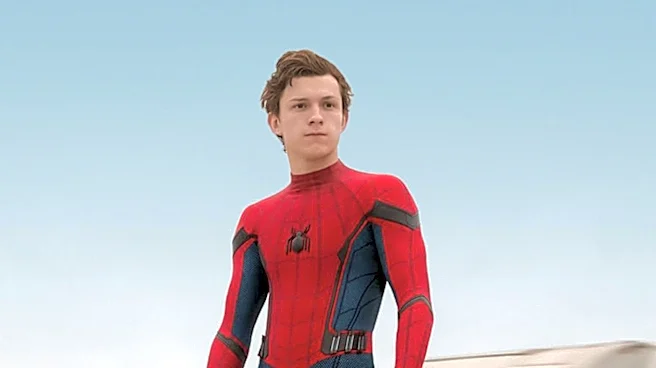
When Sam Raimi was hired to direct Spider-Man in 2002, some wondered if he would tone down his wild style for a mainstream blockbuster. He didn't. Instead, he scaled it up. The frenetic energy of The Evil Dead found its way into the massive action sequences of New York City. Long-time editor Bob Murawski, who started with Raimi on Army of Darkness and edited the Spider-Man trilogy, helped translate that kinetic style for a massive audience. This approach, blending dynamic action with character-focused storytelling, proved immensely successful and influential. Suddenly, the quick cuts, POV shots, and weird angles honed in low-budget horror were part of the blockbuster lexicon. Raimi showed Hollywood that a director's idiosyncratic, hyper-stylized editing wasn't just for cult films; it could be the very thing that makes a billion-dollar franchise feel special.