





1. Double Down on the Academy Model
While the world saw an underdog, Morocco’s success was built on years of strategic investment, most notably the King Mohammed VI Football Academy. Opened in 2009, this state-of-the-art facility is the engine room of Moroccan soccer. Several stars of the 2022
squad, including midfielder Azzedine Ounahi and defender Nayef Aguerd, are its graduates. For lasting respect, Morocco must treat this academy not as a completed project but as a model to be replicated and expanded. The goal is to create a conveyor belt of technically skilled, tactically astute players who can replenish the national team for generations. While European clubs will always cherry-pick top talent, a robust domestic pipeline ensures the well never runs dry. It’s the difference between producing one golden generation and building a perennial contender.
2. Master the Art of Diaspora Recruitment
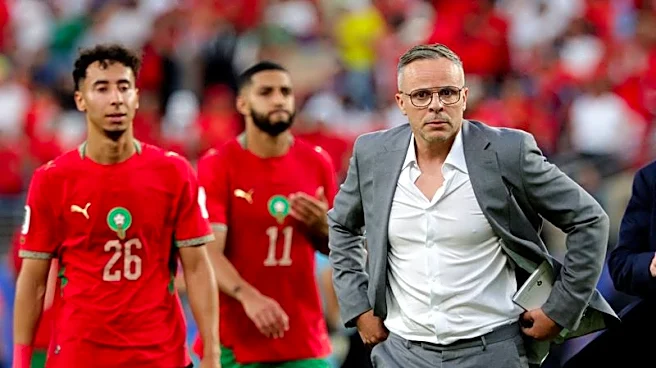
One of the most striking features of the Atlas Lions is their makeup: 14 of the 26 players on the 2022 World Cup squad were born outside Morocco. From Paris-born Achraf Hakimi to Netherlands-raised Hakim Ziyech and Sofyan Amrabat, the team is a masterclass in harnessing a global diaspora. This isn't a weakness; it's a modern superpower in international soccer. Coach Walid Regragui, himself born in France, has fostered an identity that transcends borders, appealing to players with Moroccan heritage worldwide. The key to sustaining this is to continue making the national team an irresistible project. It requires consistent outreach, a welcoming culture, and a clear demonstration that playing for Morocco offers a unique chance for glory and connection—something a spot on the bench for a European powerhouse might not.
3. Elevate the Domestic League
A strong national team is often built on the foundation of a competitive domestic league. While Morocco’s Botola Pro is one of Africa's better leagues, the next step is to elevate its quality and profile. This serves two purposes. First, it provides a better development environment for players who aren't immediately ready for a move to Europe, slowing the talent drain. Second, a stronger league can attract talent from neighboring African countries, turning Morocco into a regional soccer hub. Success breeds interest. The World Cup spotlight provides a unique opportunity to secure better sponsorship deals, improve infrastructure, and increase television revenue. A rising tide in the Botola Pro will lift all boats, including the national team.
4. Nail the 2030 World Cup Co-Hosting Gig
This is the big one. Morocco’s successful joint bid with Spain and Portugal to host the 2030 World Cup is the ultimate platform to cement its status. A tournament is a deadline. It forces upgrades to stadiums, transportation, and national infrastructure. But more importantly, it’s a chance to control the narrative. For one month, the world’s eyes will be on Morocco not as a distant surprise package but as a host and a peer to European giants. Successfully co-hosting the tournament would send an undeniable message of competence, ambition, and belonging at the top table of world football. It’s the final piece of the puzzle, transitioning from a team that can win matches to a nation that can stage the entire spectacle.
5. Institutionalize the 'Grit and Glory' Identity
Players and tournaments come and go, but a philosophy can endure. Regragui’s greatest achievement in 2022 wasn't just the wins; it was forging a clear identity. The Atlas Lions were defensively unbreakable, tactically disciplined, and played with a collective spirit that made them far greater than the sum of their parts. They were not afraid of anyone. Lasting respect is earned by being consistently difficult to beat. This means institutionalizing that philosophy throughout the national team's youth levels. Future Moroccan teams must be built in this image: organized, resilient, and infused with the belief that they belong on the biggest stage. Turning that fighting spirit from a feature of one team into the very DNA of Moroccan soccer is the final, most crucial step.