



A Silhouette Built for Battle
While women had borrowed from masculine tailoring for decades—think Marlene Dietrich's tuxedos in the 1930s or Yves Saint Laurent's 'Le Smoking' suit in 1966—the 1980s took it to a new extreme. Designers like Giorgio Armani and Thierry Mugler championed
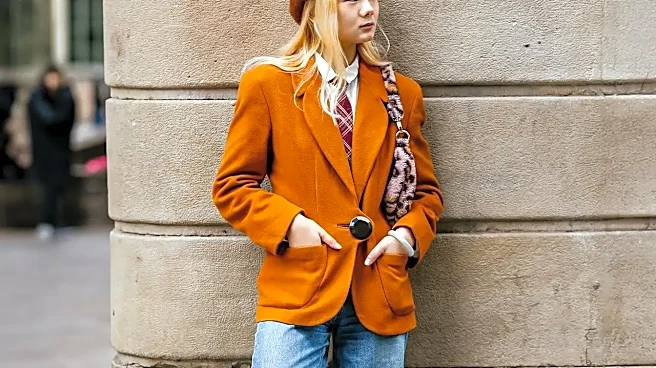
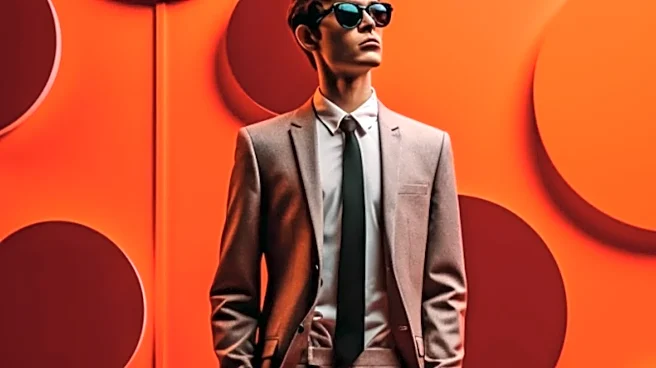
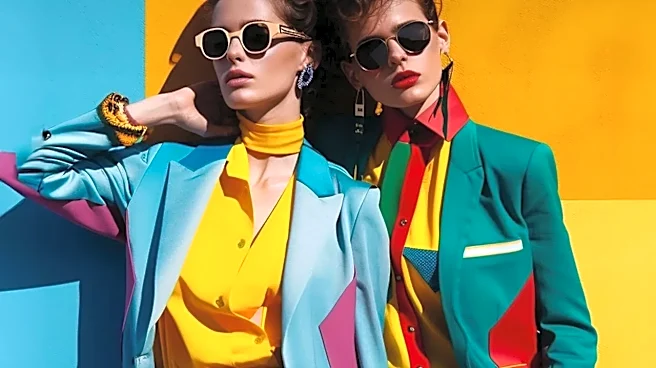
the 'power suit', which used an exaggerated masculine shape to command respect. This wasn't about subtlety. The wide, padded shoulders, large lapels, and sharp tailoring were designed to create an imposing silhouette, visually claiming space and authority in environments historically dominated by men. For a generation of women entering the corporate world in unprecedented numbers, this wasn't just clothing; it was a uniform for the workplace battlefield.
Dressing for a Thatcherite World
In Britain, this fashion movement was inextricably linked to the political climate. The 1980s were the era of Prime Minister Margaret Thatcher, whose own wardrobe of tailored skirt suits and structured blouses became a symbol of female authority. While Thatcher was more a follower of the power-dressing trend than an innovator, her presence as a formidable woman on the world stage provided a real-life blueprint for the aesthetic. Her tenure fostered a 'yuppie' culture of ambition and consumerism. As women climbed the corporate ladder, the power suit became a tool to signal that they were to be taken seriously, a way to visually compete in the aggressive, free-market world Thatcher championed.
As Seen on Screen
Hollywood and television were instrumental in cementing the power shoulder's iconic status. Lavish American soaps like 'Dynasty' and 'Dallas', with their fiercely ambitious female characters like Joan Collins' Alexis Colby, became global phenomena. These shows equated the broad-shouldered silhouette with wealth, power, and drama, and their influence was undeniable in the UK. While many iconic 'power dressing' films like 'Working Girl' were American, their narratives resonated deeply with the aspirations of a generation. British productions of the era, particularly period dramas, also reflected a fascination with structured, historical costume, though the most potent image of the power shoulder came through these popular, internationally syndicated shows that defined the decade's visual language.
The Royal Stamp of Approval
No figure did more to popularize the 80s shoulder than Princess Diana. As she grew into her role and her confidence, her style evolved from the soft, romantic ruffles of her early days to bold, 'Dynasty-esque' gowns and brightly colored power suits. Diana demonstrated how the power shoulder could be adapted from the boardroom to high fashion, wearing tailored blazers, military-inspired jackets, and glamorous evening wear all featuring the signature padded silhouette. She became a global fashion icon, and her adoption of the trend took it from a statement of corporate ambition to the height of sophisticated, elegant style, making it aspirational for women everywhere.