


The Ghost of Corporate Past
For decades, beige and its cousins—khaki, tan, ecru—were shorthand for playing it safe. It was the unofficial uniform of the middle manager, the color you wore when you didn’t want to be noticed. Think of the pleated, ill-fitting khaki pants that defined
casual Fridays in the ‘90s or the shapeless trench coat that felt more like a disguise than a statement. Beige was the color of blending in, a stylistic non-choice that communicated a desire for comfortable anonymity. It was passive, polite, and profoundly unmemorable. In a world of peacocks, beige was the pigeon.
Milan's Militant Neutral
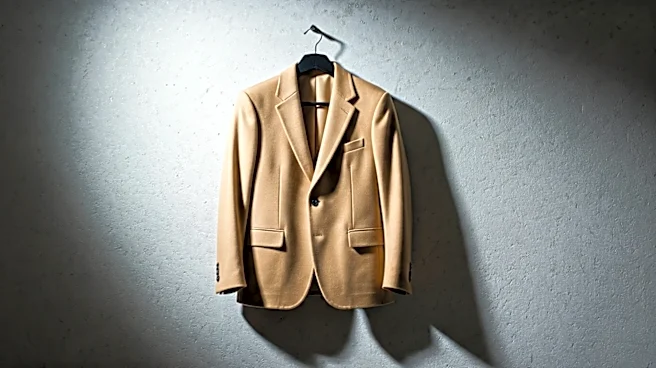
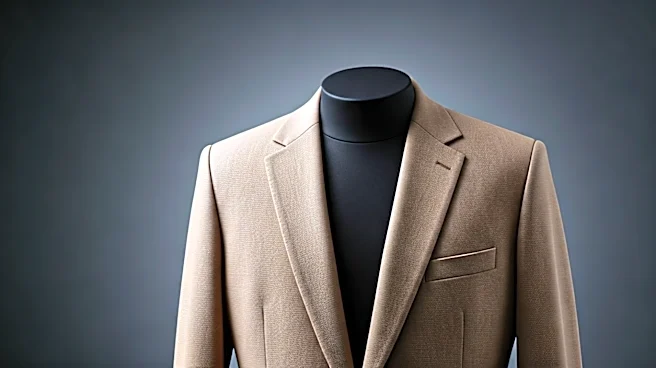
That perception is being systematically dismantled in Milan, the global capital of luxurious, considered menswear. At Zegna, artistic director Alessandro Sartori has been crafting a universe of what he calls “Oasi Lino” and “Oasi Cashmere,” where monochromatic beige looks are rendered in hyper-luxurious fabrics. Here, the aggression isn't in color but in form. A workwear jacket, traditionally rugged, is remade in a fluid, sand-colored blend that drapes with the authority of a general’s coat. Trousers have a voluminous, assertive cut that takes up space. The color may be quiet, but the silhouette speaks volumes. Similarly, at Prada, Miuccia Prada and Raf Simons have long used sober palettes to create a kind of intellectual uniform. Their version of beige feels less like a color and more like a component of a stark, modernist uniform. A beige car coat isn't just a coat; it’s a piece of architecture, with sharp lines and an imposing presence that feels more Bauhaus than Brooks Brothers. Fendi, too, has explored the shade through structured leather jackets and precisely tailored suits that give the wearer a powerful, almost sculptural frame. The message is clear: this isn't the beige of your dad's golf pants.
The Power in Pale Tones
So why is this happening now? This shift is about more than just a color trend; it’s a reflection of a new kind of masculine confidence. The old model of power dressing—bold pinstripes, loud ties, flashy logos—feels dated, almost desperate. Today’s power move is subtlety. It’s the sartorial equivalent of speaking softly and carrying a big stick. Wearing a head-to-toe beige look that is impeccably cut and crafted from superior materials is an act of supreme self-assurance. It says you don’t need screaming colors or logos to be seen. Your presence is announced by the perfect shoulder of your jacket or the elegant break of your trousers. This “aggressive beige” is the uniform for the man who is confident in his own taste and substance. The aggression lies in its intentionality. It's a choice so deliberate and refined that it rejects the very idea of blending in, instead creating a new, more formidable kind of uniform.
From Bland to Bold
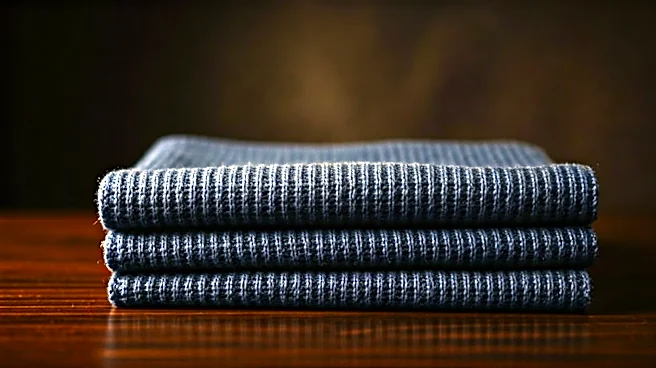
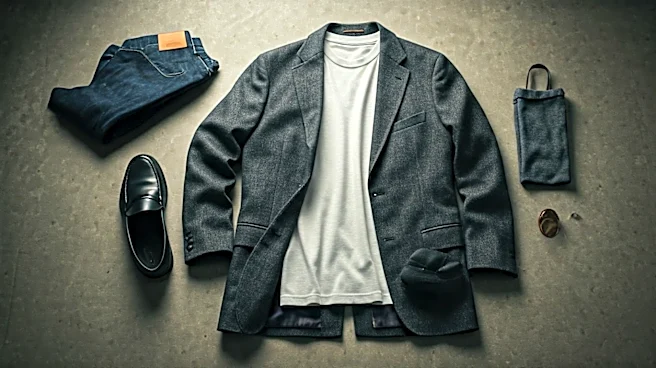
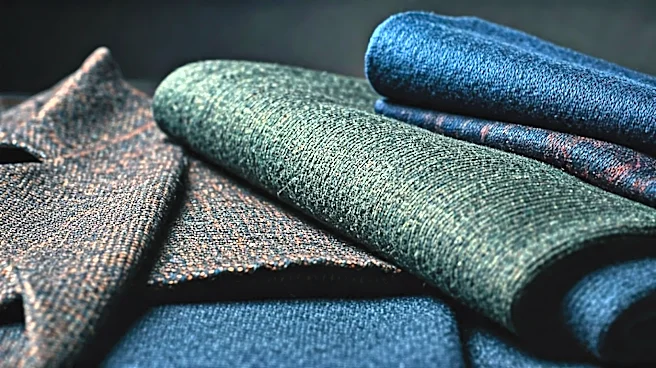
The key to this new beige is a trinity of texture, silhouette, and layering. The designers in Milan are playing with nubby linens, crisp technical nylons, buttery leathers, and hefty wools. A beige outfit becomes interesting when a rough knit is paired with a smooth poplin, or a matte suede sits next to a shiny gabardine. The silhouette is equally crucial. Look for wider trousers, stronger shoulders, and utilitarian details like cargo pockets or belted waists that add structure and purpose. A flimsy beige cardigan is passive; a heavy-gauge beige ribbed knit is powerful. Finally, layering different shades of the neutral—from bone and cream to deep tan and khaki—creates a rich, monochromatic depth that feels intentional and commanding, rather than accidental and bland.