
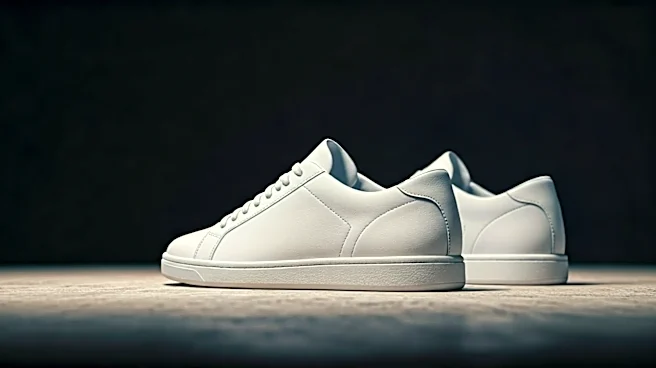


The Spectacle of Quiet Style
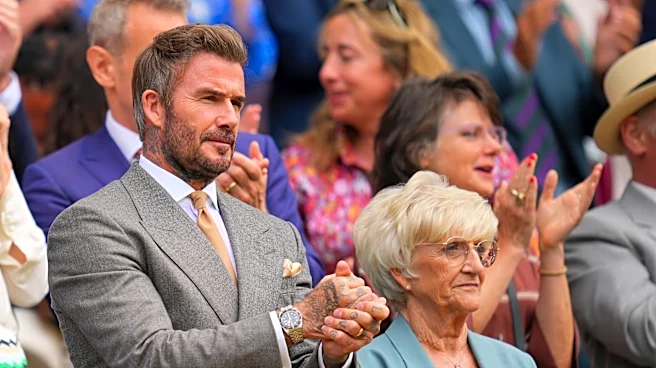
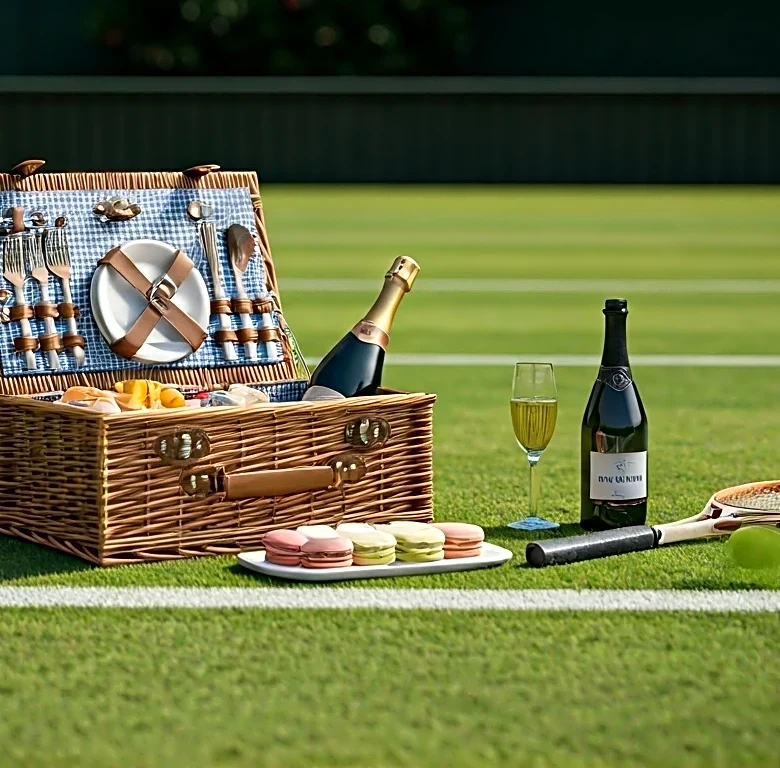
There's an unspoken dress code at events like Wimbledon and Royal Ascot, and it has little to do with official rules. For spectators, especially those in the most exclusive enclosures, the goal is a kind of studied nonchalance. It’s a look that says,
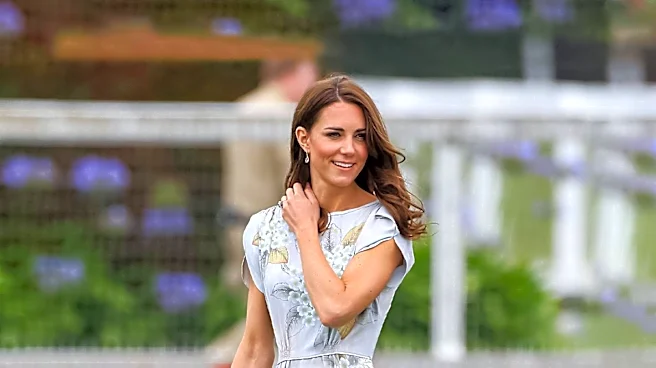
“I just threw this on,” when in reality, every piece is carefully considered. The style appears timeless and quintessentially British, a blend of smart casual and garden party chic. We see men in tailored blazers and chinos, and women in midi dresses by designers like Roksanda and Self-Portrait, often with minimal jewelry. This is the backdrop for the modern evolution of preppy style—less about overt branding and more about an air of inherited taste.
What 'Prep' Means Now
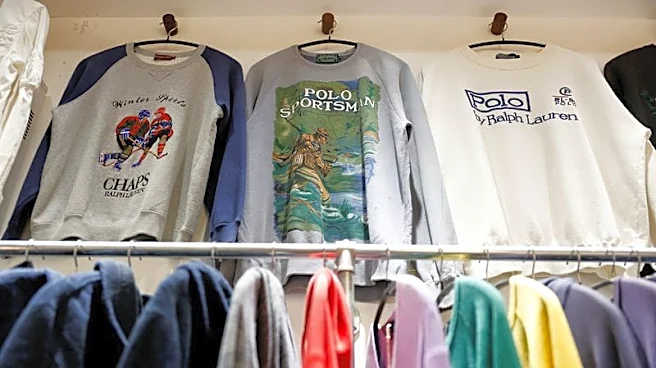
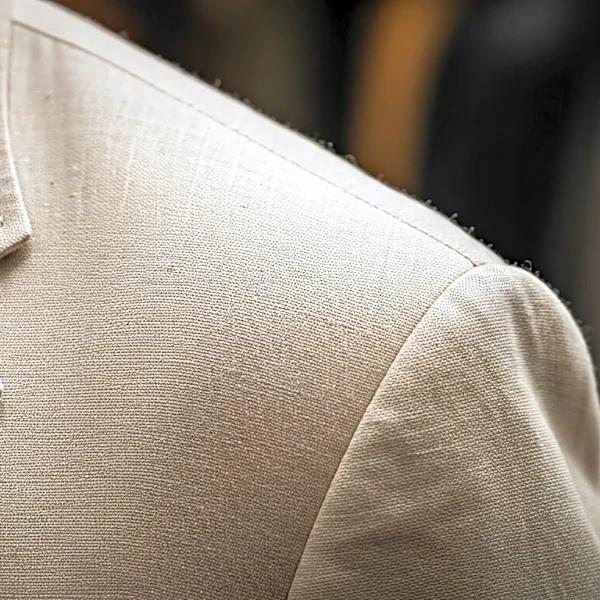
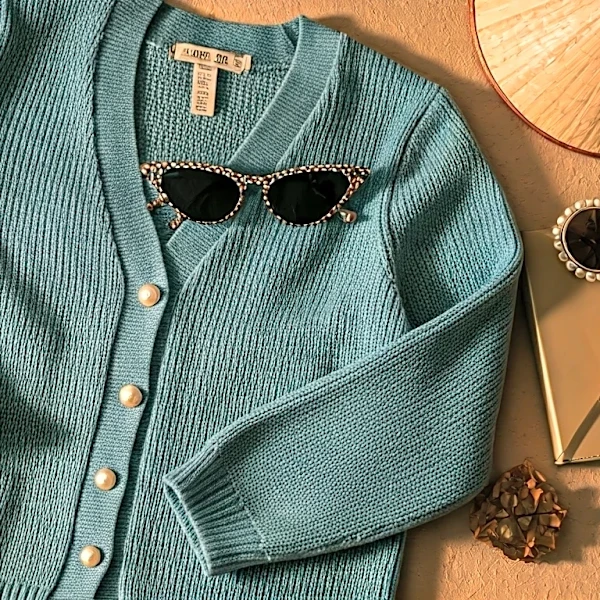
The preppy look of 2026 isn't the popped-collar, logo-heavy uniform of the early 2000s. It has evolved, absorbing elements of “quiet luxury” and a more streamlined, refined aesthetic. Today's prep is about subtle nods rather than loud declarations. It’s found in the quality of a fabric—fine cotton, linen, or lightweight wool—and the clean, structured silhouette of a tailored blazer or pleated skirt. The current take is less about a strict set of rules and more about an attitude; it’s a mix of classic American sportswear, British heritage, and a touch of rebellious grunge. Brands like Ralph Lauren, a longtime official outfitter for Wimbledon, continue to be central to this aesthetic, but the focus is on timeless pieces like striped shirts and classic cardigans rather than fleeting trends.
The Minimalist's Dilemma
Herein lies the conflict for the minimalist. The core principle of minimalism is ‘less but better,’ an ethos focused on owning fewer, more versatile, and higher-quality items. Preppy style, with its emphasis on specific pieces for specific occasions—the tennis skirt, the boat shoe, the regatta blazer—can seem like an invitation to accumulate a costume-like wardrobe. How does one adopt the polished look of Royal Box daywear without buying a dozen single-purpose items? The minimalist recoils from the idea of a closet full of clothes that only work in one specific context, yet may be drawn to the timeless appeal and quality inherent in the new wave of prep.
The Prep-Minimalist Playbook
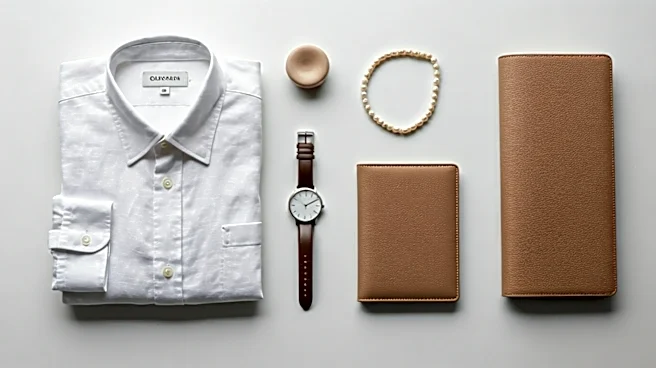
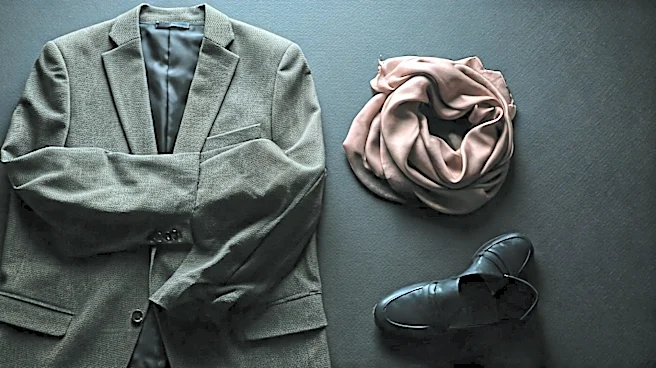
The solution is to filter the preppy aesthetic through a minimalist lens, focusing on the essence rather than the excess. Instead of buying a whole new wardrobe, the minimalist buyer identifies the most versatile archetypes of the style. This means investing in a single, perfectly cut blazer in a neutral color like navy or beige. It means choosing one high-quality striped knit sweater or a crisp button-down shirt that can be styled in multiple ways. The key is to look for pieces that carry the preppy DNA—structure, quality, timeless patterns like stripes or subtle polka dots—but are versatile enough to integrate into a small, hard-working wardrobe. A well-chosen midi dress, for example, fits the Wimbledon brief but also works for a summer wedding or a weekend brunch. The goal is to capture the spirit, not collect the entire uniform.
Beyond the Royal Box
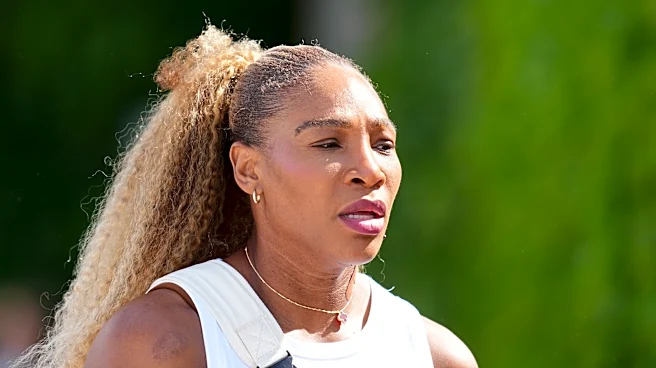
Ultimately, adopting this look isn't about perfectly replicating a celebrity's outfit at a tennis match. It's about understanding the underlying principles and applying them to your own life. The modern prep trend, when viewed through a minimalist's eyes, is a lesson in strategic investment. It teaches the value of a well-made garment, the power of a classic silhouette, and the confidence that comes from wearing clothes that are both comfortable and polished. By focusing on these core ideas—quality, versatility, and personal style—you can channel that elusive Royal Box elegance without ever sacrificing the integrity of a thoughtfully curated, minimalist closet.