




The Arconia’s Unspoken Rule
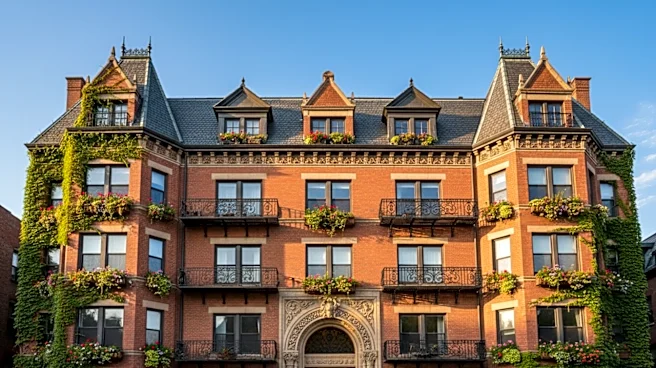
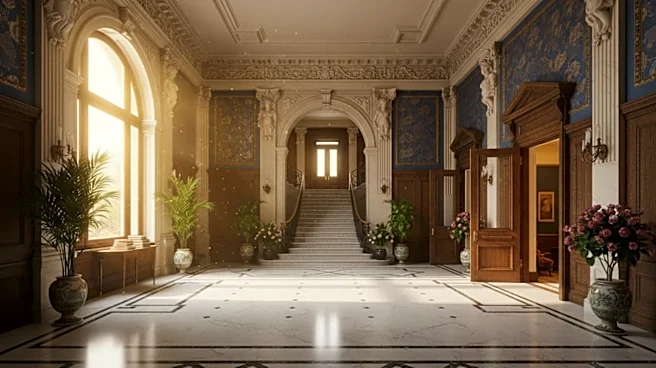
In most television shows, a neighbor is just a neighbor. They exist to borrow a cup of sugar, complain about the noise, or provide a brief, quirky interaction before fading back into the set dressing. But at the Arconia, the grand, pre-war apartment building
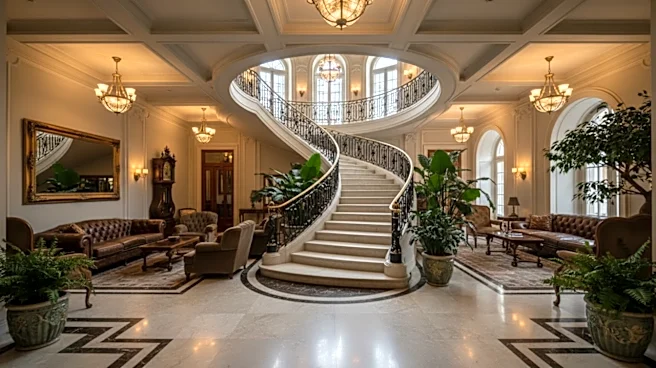
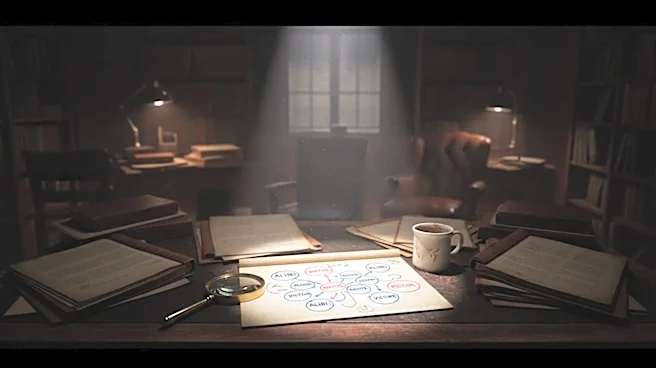
at the heart of Only Murders in the Building, there are no disposable residents. Every introduction, no matter how fleeting, feels like a deliberate investment. Co-creator John Hoffman has noted his fascination with how neighbors connect, and the series puts that idea to work. The show operates on an unspoken rule: anyone you meet could be a clue, a red herring, a future victim, or a future killer. This approach transforms the building itself from a simple setting into a living, breathing character, populated by a deep bench of potential players waiting for their moment in the spotlight. This isn't just clever writing; it's the foundational premise that makes the show's mystery engine run season after season.
From Cat-Lover to Confidante
The most compelling proof of this strategy is Howard Morris, played by Michael Cyril Creighton. Introduced in Season 1 as a gossipy, cat-obsessed resident primarily grieving the loss of his feline, Evelyn, Howard could have easily remained a one-note joke. But the show’s writers saw potential. Over the seasons, Howard has steadily evolved from a peripheral figure into an essential part of the Arconia's ecosystem. He became Oliver's long-suffering assistant for his Broadway show, a key source of building gossip for the podcasting trio, and a character with his own surprisingly touching emotional arcs, including his relationship with his boyfriend, Jonathan. Creighton was even promoted to a series regular, a testament to Howard's growing importance. His journey from a fussy neighbor to a trusted, if still eccentric, ally demonstrates the show’s commitment to rewarding viewers who pay attention to the faces in the background.
The Slow-Burn Suspect
Beyond developing quirky allies, the series masterfully plants characters who become crucial to the central mystery seasons later. Take Theo Dimas (James Caverly). In early Season 1, he is simply Teddy Dimas’s deaf son, a background figure in the world of the Arconia. Then comes the masterclass episode, "The Boy from 6B," told almost entirely from Theo's perspective, which re-frames the entire season. It reveals his accidental involvement in a decade-old death and his father's subsequent cover-up, making him a complex, tragic figure rather than a simple villain. Even after being arrested for grave-robbing, Theo returns in later seasons, forming an unlikely and compelling bond with Mabel as he seeks independence from his controlling father. This slow-burn approach turns a character who could have been forgotten into a rich, recurring player whose history is deeply woven into the show's lore.
Building a Believable World
This storytelling philosophy extends beyond just future suspects and assistants. Recurring faces like the doorman Lester (Teddy Coluca), the imposing board president Bunny Folger (Jayne Houdyshell), and the gut-milk-peddling building manager Ursula (Vanessa Aspillaga) all contribute to the Arconia’s lived-in feel. Bunny, initially a cantankerous antagonist, becomes the sympathetic victim of Season 2, with her backstory deepening our understanding of the building's history. Lester, a friendly presence at the door for years, eventually became the central victim in a later season, making the case deeply personal for the residents. By consistently bringing these characters back, even for brief appearances, the show builds a genuine community. We learn their quirks, their grudges, and their relationships. This rich tapestry of interconnected lives is what allows the central mysteries to feel so grounded and impactful. When a murder happens at the Arconia, it’s not an isolated event; it’s a disruption to a complex, familiar, and deeply human world.