






The Loneliest Walk in Sports
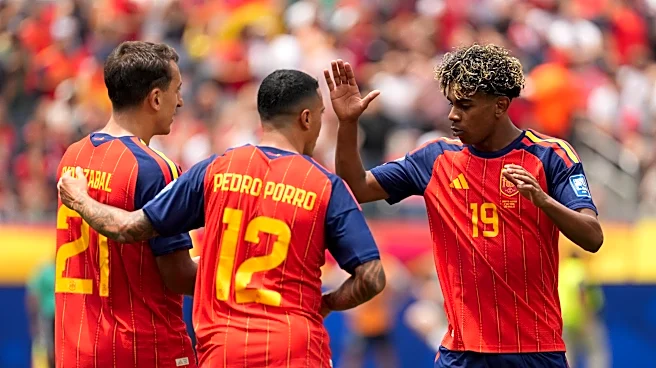
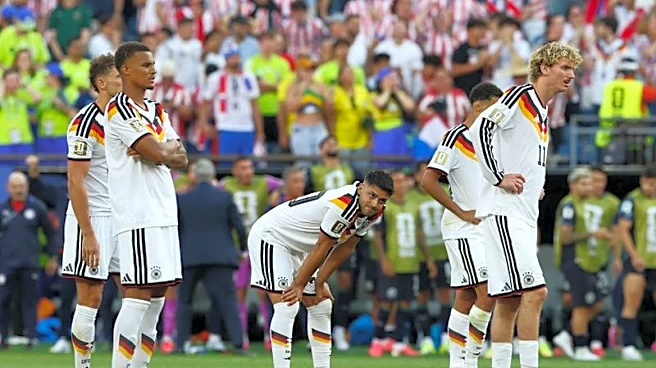
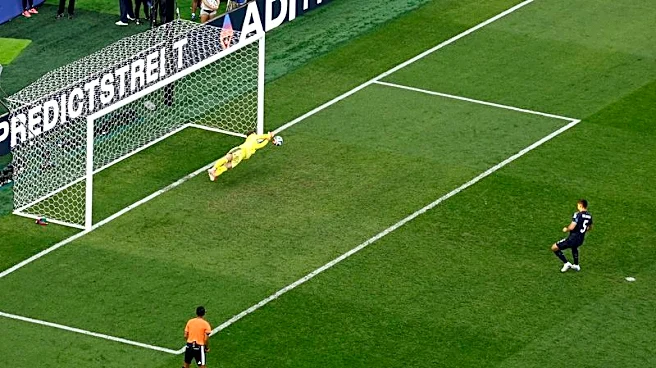
It’s a walk no one wants to take. From the center circle to the penalty spot, with the hopes of a nation strapped to your back. We’re seeing it unfold in real-time during this World Cup. After 120 minutes of grueling soccer, a match—and a country's dream—is
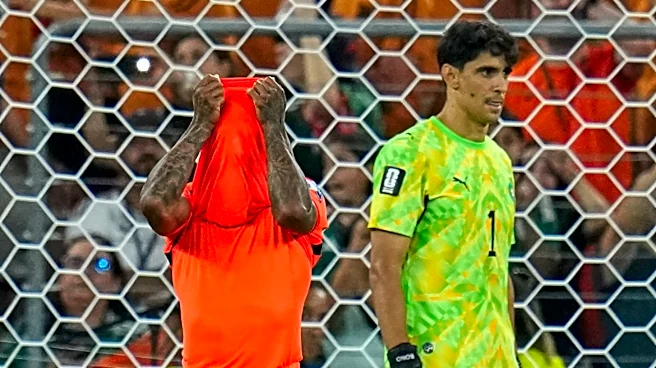
reduced to a simple, brutal equation: one player, one goalkeeper, and 12 yards of grass. The pressure is so immense it has been described by psychologists as inhumane. We’ve already seen it in the Round of 32, with teams like Morocco and Paraguay advancing after this cruel tiebreaker. An entire career of brilliance can be undone, or immortalized, in the few seconds it takes to strike the ball. Ask Italy’s Roberto Baggio, a genius of the game forever linked to his sky-high miss in the 1994 World Cup final. This pressure is a lightning strike, a singular moment so dense with consequence it can blot out the memory of everything that came before it. It’s the ultimate test of nerve, a moment where athletic skill becomes secondary to psychological fortitude.
The Slow Burn of October
Then there is Clayton Kershaw. For baseball fans, his name is synonymous with a different, more chronic kind of pressure. For six months a year, Kershaw is a metronome of greatness, an artist on the mound who has compiled a resume worthy of the Hall of Fame's inner circle: multiple Cy Young awards, an MVP trophy, and a regular-season ERA that places him among the gods of the game. But then comes October. His postseason career has been a complicated narrative of brilliant gems overshadowed by spectacular collapses. His playoff ERA is nearly two full runs higher than his regular-season mark, a statistic his critics wield like a weapon. The pressure on Kershaw isn’t a single moment. It’s the accumulated weight of more than a decade of playoff starts, of carrying the burden of being the ace who is expected not just to pitch well, but to be perfect every time he takes the mound in a must-win game. He’s felt the sting of giving up six runs without getting through the first inning, a shocking failure for a pitcher of his caliber. Even with two World Series rings, the narrative of his postseason struggles persists, a ghost that haunts his otherwise luminous legacy.
A Flash Flood vs. a Rising Tide
Comparing these two crucibles is like comparing a flash flood to a rising tide. Both can drown you, but they do it in entirely different ways. The soccer player in a penalty shootout faces an acute, externalized pressure. The world is watching, the moment is defined, and the task is singular. Their body is exhausted, but their mind must be clear for one precise action. Psychologists note that the key is viewing this as a challenge to be conquered, not a threat to be feared. Confidence and control are paramount. Kershaw’s pressure is internal and cumulative. It’s not about one pitch, but the weight of hundreds of pitches over dozens of postseason games. His failures aren't forgotten after one night; they are added to a ledger, building a narrative that he must try to disprove year after year. The soccer player must survive a minute of hell; Kershaw has had to live in a state of purgatory every October for fifteen years. One is a test of pure nerve in isolation; the other is a test of enduring excellence against the mounting evidence of past failures.
How We Choose to Remember
So which pressure is greater? It’s a question without an answer, because it depends on the lens. The penalty kick is arguably the most intense single moment in all of sports, a do-or-die act of heroism or failure with no middle ground. The pressure on a player like Kershaw is a marathon of scrutiny, a long-form drama where every chapter adds to the final verdict on his career. Ultimately, the way these athletes are defined says as much about us as fans as it does about them. We are drawn to simple, dramatic narratives. The hero or the choker. The player who scored or the one who missed. The ace who dominated or the one who folded. A legacy is not just built by the athlete; it's constructed by the stories we choose to tell about them. Both the penalty taker and the postseason pitcher are performing on the razor’s edge of greatness. What we choose to focus on—the single moment of failure or the career of excellence that led them there—is the real test.