




The Role of a Lifetime
In the early 1960s, director David Lean and producer Sam Spiegel were mounting one of the most ambitious films ever conceived: 'Lawrence of Arabia'. It was a sprawling, logistically nightmarish epic that demanded a magnetic, yet enigmatic, lead. Their
first choice was Marlon Brando, who reportedly declined, not wanting to spend two years on a camel. Their next pick, Albert Finney, a rising star, underwent extensive screen tests before ultimately refusing to sign the restrictive seven-year contract Spiegel demanded. With other names like Anthony Perkins and Montgomery Clift considered, the hunt was on for an actor who could carry the weight of the desert, the war, and T.E. Lawrence’s tortured soul on his shoulders. The project’s fate rested on finding the right man.
A Starving Artist's Gamble
David Lean had spotted Peter O'Toole, then a respected but not famous Shakespearean actor, and saw his Lawrence. O'Toole was a brilliant performer, but he had little leverage in a high-stakes film negotiation. Spiegel, a notoriously tough producer, made him an offer that was startlingly low. In fact, José Ferrer, who played the Turkish Bey in a small but pivotal role, negotiated a salary of $25,000 plus a Porsche—reportedly more than O'Toole and his co-star Omar Sharif earned combined for the grueling, multi-year shoot. O'Toole was faced with a brutal choice: accept a pittance for a physically demanding, two-year commitment in the Jordanian desert, or walk away from the role that could define him. He chose the role. It was a bet-the-farm gamble on art over commerce, a decision to trade financial security for a chance at cinematic immortality.
Forged in the Desert Sun
The production of 'Lawrence of Arabia' was as punishing as the landscape it captured. O'Toole and the cast and crew endured extreme temperatures, sandstorms, and the immense pressure of Lean’s perfectionism. The shoot was a marathon of hardship, and for O'Toole, the physical toll was compounded by the knowledge of his meager pay. Yet, it was in that crucible that his performance was forged. He fully inhabited the complex character of Lawrence, his piercing blue eyes reflecting both the vastness of the desert and the internal conflicts of the man. The experience bonded him with co-stars like Jack Hawkins and Omar Sharif, but his relationship with producer Sam Spiegel remained frosty. He was earning his stardom the hard way, paying for it with sweat and sacrifice.
The Legacy That Money Couldn't Buy
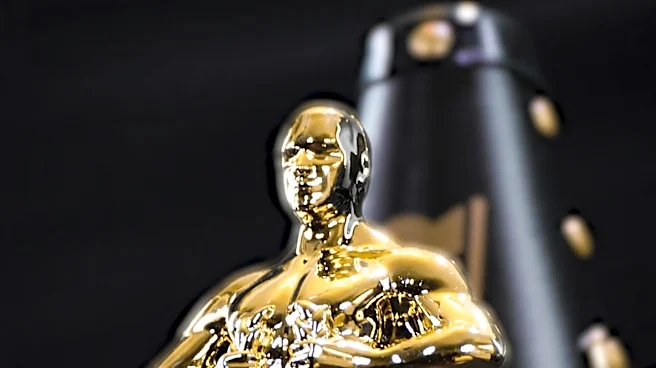
When 'Lawrence of Arabia' was released in 1962, it was a seismic cultural event. The film was a critical and commercial triumph, winning seven Academy Awards, including Best Picture. At its center was Peter O'Toole, who became an international superstar overnight. His performance was hailed as one of the greatest in cinema history, earning him the first of eight Oscar nominations for Best Actor—a record for the most nominations without a competitive win. That single, audacious decision to accept a low salary secured a legacy that no paycheck ever could. It cemented his reputation not just as a brilliant actor, but as a man who prioritized the integrity of his work above all else, a 'hellraiser' with the soul of a poet who gambled on himself and won.