




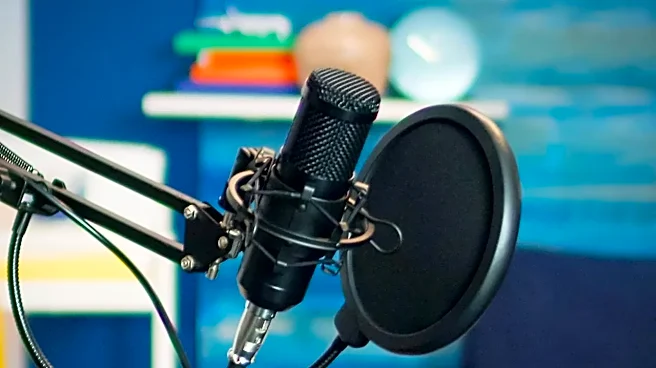
The Soul of the Medium
For purists, a podcast is an intimate, audio-only experience. It’s a voice in your ear while you’re driving, jogging, or doing the dishes. This format’s power lies in its ability to command attention without demanding your eyes, fitting into the parts
of our day that other media can’t reach. Proponents of the audio-first approach argue that it’s a distinct art form, relying on vocal tone, storytelling, and pacing to create a world inside the listener's imagination. To them, adding video isn't an evolution but a dilution—turning a uniquely focused medium into just another talk show. The debate intensifies when it comes to industry recognition, with awards bodies struggling to decide if a slickly produced YouTube show is even in the same category as a traditional, audio-only narrative.
The Unavoidable YouTube Effect
The other side of the argument is fueled by one undeniable force: YouTube. The platform is now a primary engine for podcast discovery, with some reports indicating it's the preferred platform for a growing number of listeners. For new creators, a video presence isn't just an add-on; it's often the fastest path to building an audience. YouTube's recommendation algorithm surfaces content to new viewers in a way that audio-only platforms like Apple Podcasts have historically struggled to match. This has created a powerful incentive structure where having a video component can dramatically accelerate growth. The result is a hybrid reality where many listeners alternate between watching and listening, depending on whether they're at home or on the go. Some data even shows a significant portion of users on YouTube are 'listening' to the video with the screen off or in another tab, complicating the entire definition of consumption.
Follow the Money
Ultimately, much of the debate is driven by economics. Video unlocks monetization opportunities that audio alone often can't. YouTube's ad-share model can provide a more direct revenue stream for creators than the often opaque per-stream payouts from audio platforms. Furthermore, video allows for visual branding, product placements, and sponsorships that are more attractive to advertisers. However, recent data suggests a surprising twist. Studies have found that classic audio ads, particularly host-read endorsements, can be significantly more effective at driving purchases than video ads on the same podcast content. This is attributed to the focused, high-trust environment of audio listening versus the more passive, algorithm-driven discovery on video platforms. This leaves creators and advertisers with a difficult choice: chase the massive reach and discoverability of video, or stick with the format that fosters a more persuasive, intimate connection.
A Battle of Walled Gardens
The audio-video debate is also a proxy war between the industry's titans, primarily Spotify and YouTube. Each platform wants to own the podcasting experience, and their strategies reflect their core strengths. YouTube is leveraging its video dominance to become the default home for podcasting, while Spotify, an audio-first company, has been aggressively investing in video features to keep its users from leaving. This has created what some industry insiders call a 'walled garden' problem, where platforms prioritize keeping users within their own ecosystems rather than supporting the open RSS feed standard that defined early podcasting. Even other major streaming services like Netflix and Hulu are now adding video podcasts to their libraries, treating them as low-cost content to boost engagement and compete with YouTube's massive viewer base. For creators, this means navigating an increasingly fragmented landscape where succeeding often requires optimizing for multiple, competing platforms at once.