






From Rental Tux to Custom Couture
Remember the drafts of the ‘90s and early 2000s? The defining look was often a suit so large it looked like a loaner from a much larger, much wider dad. While LeBron James’s stark white suit in 2003 was an early sign of a shift, the prevailing aesthetic
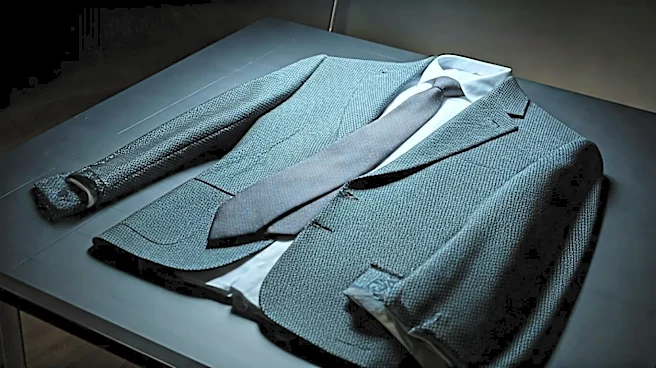
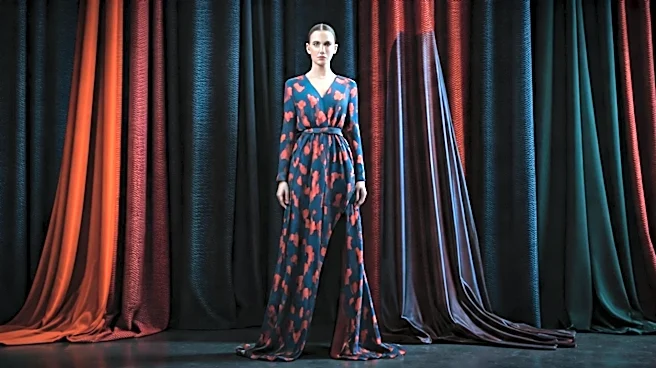
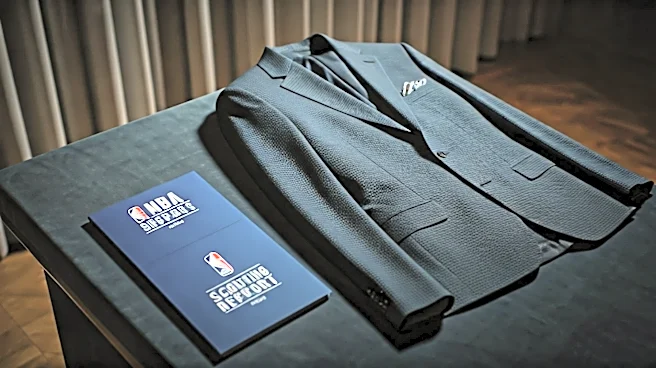
was simple corporate compliance. Today, that’s ancient history. Prospects arrive in bespoke creations, dripping with designer labels and custom-lined jackets that tell a personal story. When a top pick like the NFL's Kyle Hamilton flashes a suit lining made of a photo collage of his family, or an NBA prospect like Zaire Williams sports a flowing, gender-fluid look, it’s clear the assignment has changed. The goal is no longer to just look professional; it’s to make a statement before a single question is answered.
The Athlete as a Startup
The single biggest driver of this sartorial arms race is the evolution of the athlete into a personal brand. Draft night is no longer just the first day on the job; it’s the IPO. A memorable, well-executed outfit is the opening press release for “The Player, Inc.” It communicates personality, confidence, and marketability to teams, fans, and, most importantly, potential sponsors. In an era where a player's off-court earnings can rival their contract, establishing a distinct personal style is a savvy business move. Players like Shai Gilgeous-Alexander, who was known for his fashion risks long before becoming an MVP candidate, have proven that a strong style identity can create a cultural footprint that transcends game highlights. The draft is the first, and biggest, chance to launch that identity on a national stage.
Enter the Style Playmakers
These viral fashion moments don’t just happen. Behind the custom suits and diamond-encrusted lapel pins is a growing industry of stylists who specialize in crafting the public image of professional athletes. Figures like Kesha McLeod and Rachel Johnson work with players months in advance, treating draft night with the same meticulous planning as a celebrity stylist prepping for the Oscars. They aren’t just picking clothes; they’re building a narrative. They help players translate their personality, background, and aspirations into a visual language of fabrics, colors, and silhouettes. This professionalization is what truly bridges the gap between the draft and Fashion Week. It’s a curated, strategic performance, designed by experts to capture attention and build equity in the attention economy.
The Court of Social Media Opinion
If the draft green room is the runway, then social media is the front row, populated by millions of merciless fashion critics. Every outfit is instantly screenshotted, debated, and turned into a meme on X (formerly Twitter), Instagram, and TikTok. A bold look can make a player a trending topic before they even shake the commissioner's hand. This digital echo chamber dramatically raises the stakes. A fashion triumph can solidify a player's 'cool' factor and grow their following overnight, while a misstep can lead to relentless online roasting. This constant, instantaneous feedback loop forces players and their teams to consider the digital afterlife of their outfit. It has to look good on TV, in photos, and as a 10-second clip on a loop.
The Tunnel Walk Starts Here
The draft-night spectacle is also the official entry point into the broader fashion culture of professional sports, best exemplified by the “tunnel walk.” In recent years, the pre-game arrival of players at the arena has become its own form of content, a weekly fashion show where stars debut their latest looks. The draft is now the first tunnel walk of a player's career. It sets the tone for the style persona they will cultivate for years to come. By showing up in a head-turning outfit, a rookie isn't just joining a team; they're announcing their arrival in a league where what you wear before the game can generate as many headlines as how you play in it.