



A Conflict Painted in Shades of Gray
Unlike its predecessor, Game of Thrones, which often presented clear heroes and villains in its early seasons (think Ned Stark vs. Joffrey Baratheon), House of the Dragon is built on a foundation of moral ambiguity. The source material, George R.R. Martin’s
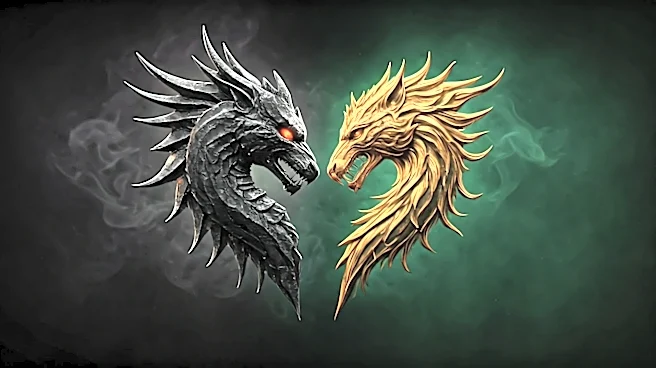
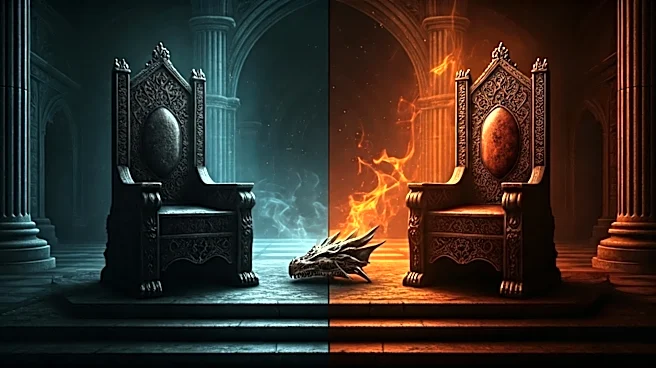
Fire & Blood, is written as an unreliable history, presenting conflicting accounts of the same events. The show’s creators leaned into this ambiguity, deliberately crafting a story where no one’s hands are clean. Rhaenyra Targaryen is a woman fighting for her birthright against a patriarchal system, but she’s also capable of ruthless and selfish decisions. Alicent Hightower is a devout woman trying to protect her children and uphold tradition, but her piety often curdles into self-righteous cruelty. By refusing to anoint a clear-cut protagonist, the show forces the audience to make a choice. It asks, “Whose side are you on?” and provides just enough evidence to justify either answer.
The Power of Shifting Perspectives
The series masterfully manipulates viewer empathy on an episode-by-episode basis. One week, we witness Alicent’s terror and isolation, boxed in by the men controlling her life; the next, we see Rhaenyra’s defiant strength as she navigates courtly betrayals. The narrative framing constantly shifts, forcing us to see the world through each woman’s eyes. A scene of Rhaenyra enjoying a moment of freedom is juxtaposed with one of Alicent sacrificing her own desires for duty. This forces a subjective viewing experience. Team Black sympathizers see a queen robbed of her throne, while Team Green supporters see a mother terrified for her sons’ survival. The arguments that erupt online are a direct result of this intentional narrative design. Fans aren't just debating plot points; they're debating perspective and whose pain is more valid, turning them into active participants in the story’s central conflict.
Fandom as Modern Identity
Today’s fandom culture is deeply intertwined with personal identity. Supporting a character is often a reflection of one’s own values. For many, Team Black represents a progressive, feminist struggle against an unjust patriarchy. Rhaenyra is seen as a woman who breaks the rules to claim what is hers. In contrast, some in Team Green see Alicent as a figure of tradition, duty, and religious conviction, a woman who plays the game she was dealt to protect her family. The online discourse quickly escalates beyond medieval fantasy and becomes a proxy for contemporary arguments about gender roles, power, and morality. When a fan defends Rhaenyra, they may also be defending a modern worldview. This deep-seated identification is what transforms casual viewers into passionate advocates, ready to wage war in comment sections and on timelines.
The Ultimate Engagement Engine
For HBO, this perpetual conflict is the perfect marketing machine—and it’s entirely self-sustaining. The heated debates, the endless stream of memes, the TikTok video essays, and the viral Twitter threads keep House of the Dragon at the forefront of the cultural conversation, even weeks after an episode airs. Every argument is a free advertisement. This “discourse” ensures the show remains relevant and drives a level of audience investment that passive viewing could never achieve. The showrunners are not simply telling a story; they are cultivating a social phenomenon. By creating two compelling, flawed, and defensible factions, they have ensured that the audience doesn’t just watch the Dance of the Dragons—they live it, breathe it, and, most importantly, argue about it until the next season.