
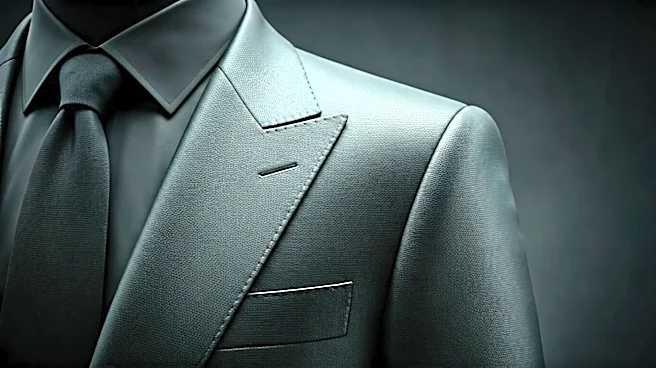


The Monochromatic Mandate
If you looked at a mood board of the recent Fall/Winter 2024 menswear shows in Milan, one color would stare back at you from nearly every frame: gray. Not just as an accent, but as the main event. At Zegna, creative director Alessandro Sartori sent out
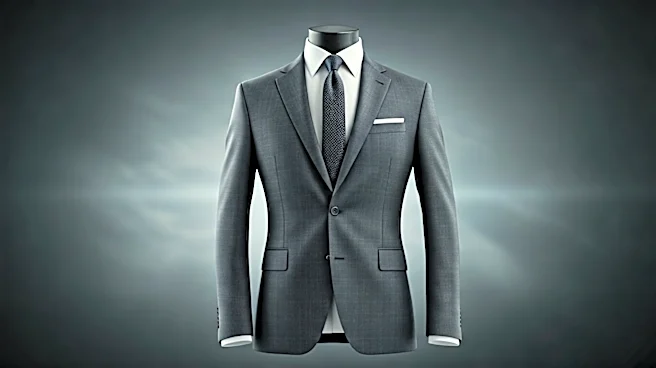
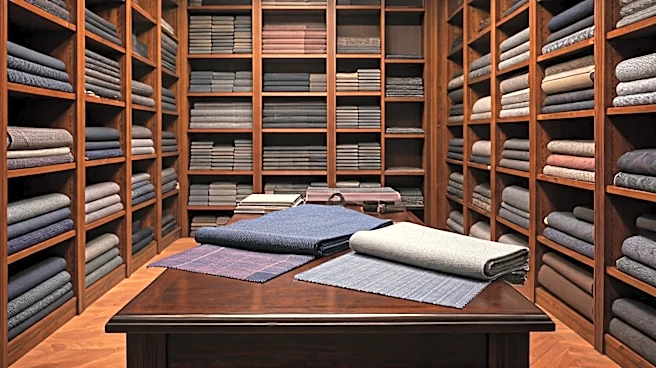
a procession of models cloaked in head-to-toe gray. The collection was an obsessive study in the color, layering charcoal overcoats on top of slate-gray knitwear and perfectly tailored flannel trousers. It wasn't about being drab; it was about depth, with each texture—from plush cashmere to structured wool—adding a new dimension. Similarly, at Fendi, Silvia Venturini Fendi embraced a kind of hyper-polished corporate aesthetic, with sharp, powerful suiting in shades of concrete and graphite. Even at Prada, where Miuccia Prada and Raf Simons often play with jarring color, the foundation was a sober, thoughtful gray, grounding the collection in a sense of wearable reality. This wasn't a coincidence; it was a memo that the entire industry seemed to have received.
A Rejection of Noise
So, what’s behind this city-wide embrace of the color of storm clouds and skyscrapers? In part, it’s a powerful palate cleanser. For the past few years, menswear has been on a wild ride of look-at-me peacocking. Fueled by social media, we’ve seen a relentless cycle of “-core” aesthetics, blindingly bright colors dubbed “dopamine dressing,” and logo-heavy streetwear. The return to gray feels like a collective exhale—a conscious step away from the noise and transience of viral trends. Designers are signaling a pivot back to something more enduring. Instead of chasing fleeting moments of online fame, they’re proposing a wardrobe built on longevity, craftsmanship, and versatility. A beautifully cut gray coat or a perfect pair of gray trousers isn't just for one season; it’s for a decade. It’s the ultimate expression of “quiet luxury,” a concept that has now matured from a trend into a core philosophy.
The Power of a Blank Canvas
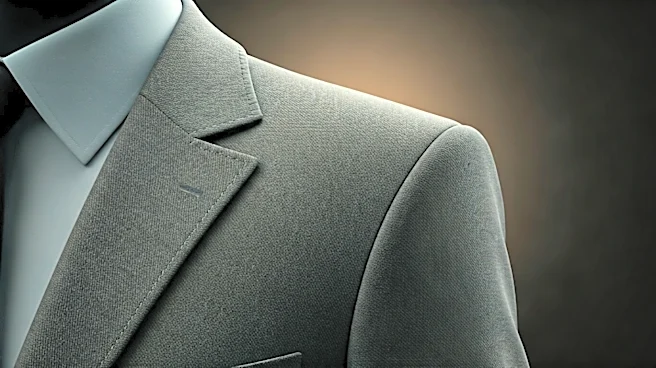
To dismiss gray as “boring” is to miss the point entirely. In the hands of master tailors, gray becomes a canvas for showcasing cut, form, and material. Without the distraction of a loud print or a jarring color, your eye is drawn to the details: the sharp line of a shoulder, the soft drape of a fabric, the subtle interplay of different textures. This is a quiet, self-assured form of dressing. It doesn’t need to shout for attention because its quality and sophistication speak for themselves. At Gucci, Sabato De Sarno’s debut menswear collection used foundational gray suiting to make his signature pop of deep “Ancora” red even more impactful. The gray wasn’t the absence of color; it was the perfect, grounding counterpoint. This approach suggests a new vision of modern masculinity—one that is less about performative bravado and more about understated confidence and intelligence.
A Uniform for Uncertain Times
Beyond pure aesthetics, the dominance of gray also reflects a broader cultural mood. It's a pragmatic, serious color for serious times. In a world grappling with economic uncertainty and geopolitical instability, the flamboyant optimism of post-pandemic fashion can feel out of step. Gray offers a sense of stability and realism. It’s the color of a uniform, suggesting dependability, function, and a return to fundamentals. Think of it as armor for modern life—sleek, protective, and unfussy. It allows the wearer to blend in when necessary but stand out on the merits of their ideas and presence, not just their clothes. This isn't about giving up or being pessimistic; it's about being prepared, focused, and choosing clothes that serve you, rather than the other way around.