



1. Go Beyond Print—Feel the Fabric
On the London runways, designers like Paolo Carzana are celebrated for their commitment to natural and innovative materials, rejecting synthetics in favor of fabrics with integrity. This is your first lesson: before you’re seduced by a bold print or a trendy
color, focus on the feel of the material. Is it flimsy or substantial? Does it feel breathable or plasticky? High-quality natural fibers like cotton, wool, linen, and silk not only feel better against the skin but are also generally more durable. Run the fabric between your fingers. Gently stretch it to see if it bounces back. A garment that feels good and has a solid structure is one that’s built to last far beyond a single season.
2. Read the Story in the Seams
The way a garment is held together is a dead giveaway of its quality. While runway pieces from houses like McQueen or Erdem feature immaculate construction, you don't need to be an expert to spot good work. First, turn the garment inside out. Are the seams neat and tidy, or are there loose, tangled threads everywhere? Look for a high stitch density—more stitches per inch means a stronger seam. Check for finishing techniques. A simple serged edge is common, but a French seam (where the raw edges are enclosed) is a sign of superior craftsmanship often found in high-end pieces. Pull gently at the seams; if you see gaps, it’s a sign of poor construction that will only worsen with wear.
3. Check the Details: Buttons, Zippers, and Linings
Craftsmanship is often most visible in the small things. Designers at London Fashion Week understand that details complete the story. When you’re shopping, take a moment to inspect the hardware. Do the buttons feel cheap and lightweight, or do they have some heft? Are the buttonholes cleanly stitched, or are they fraying? Test the zipper. It should glide smoothly without catching. A well-made garment will almost always have a quality zipper from a reputable brand. Don't forget to look inside. Is the piece lined? A lining not only helps a garment hang better on the body and adds comfort but is also a hallmark of thoughtful construction. An unlined blazer or dress, unless designed that way for stylistic reasons, often indicates a shortcut was taken.
4. Match the Patterns and Mind the Grain
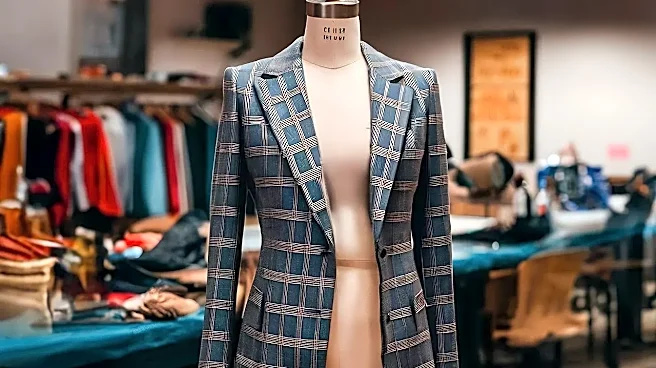
For patterned fabrics like stripes, plaids, or florals, look at how the patterns align at the seams. On a well-made piece of clothing, the pattern will match up seamlessly, creating an uninterrupted visual flow. This is especially noticeable at the side seams, front placket, and where the sleeves meet the body. Mismatched patterns are a tell-tale sign of fast, low-cost production, as matching requires more fabric and more time during the cutting process. Similarly, understanding the grainline—the direction of the threads in the fabric—is crucial. Clothes cut on the proper grain hang correctly and maintain their shape. If a pant leg seems to twist or a shirt hangs unevenly, it was likely cut improperly to save fabric.
5. Prioritize Versatility Over Volume
One of the key trends emerging from recent fashion weeks is the idea of elevated essentials and modern tailoring designed for real life. This points to a shift away from disposable trends and toward building a versatile wardrobe. Before you buy something, ask yourself: Can I style this in at least three different ways with items I already own? A beautifully constructed blazer might cost more upfront, but if you can wear it to work, on weekends with jeans, and over a dress for an evening out, its cost-per-wear plummets. The most valuable lesson from the world of high fashion isn't about chasing every new look, but about investing in pieces that offer enduring style and function.