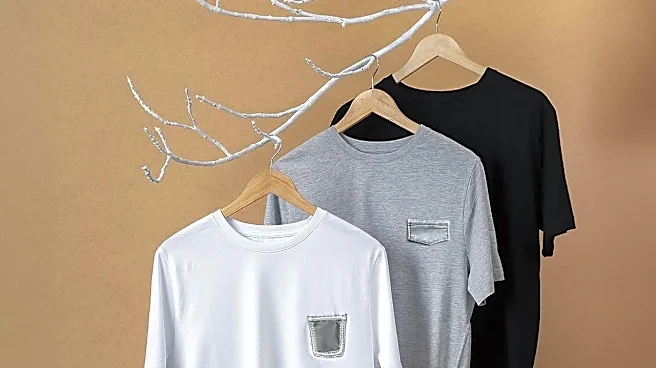







First, What Is a Patch Pocket?
Simply put, a patch pocket is a piece of fabric stitched directly onto the exterior of a garment. Think of it like its name suggests: a patch that has been turned into a pocket. You can always see its shape and the stitching that holds it in place. This
makes it fundamentally different from other pocket types, like welt or jetted pockets, which are built into the garment as a slit, with the actual pocket bag hidden inside. The back pockets on a pair of jeans are a perfect example of patch pockets; so is the single chest pocket on a casual button-down shirt.
The Simple Mechanics of a Classic
The construction of a patch pocket is refreshingly straightforward, which is a key part of its appeal. A piece of fabric is cut to the desired shape—be it square, rounded, or something more decorative. The top edge is hemmed, and the remaining three edges are pressed under. This prepared 'patch' is then positioned on the garment and topstitched into place. For added durability, especially on workwear or jeans, the upper corners are often reinforced with extra stitching called bar tacks to prevent tearing. While the basic version is unlined, designers can create a more polished, high-end version by adding a full lining, which conceals all the raw edges and adds stability.
Born from Pure Utility
The patch pocket’s story begins with function, not fashion. Its origins trace back to workwear and military uniforms, where external, easy-to-access storage was a necessity. Think of safari jackets loaded with pockets for gear or a chore coat designed for a carpenter to hold tools. Because it's sewn on top of the garment, it's one of the easiest and most cost-effective pockets to produce, making it ideal for mass-produced clothing. This utilitarian heritage gives the patch pocket a rugged, informal character. It’s practical, durable, and unpretentious—a design built to be used.
Why Designers Can't Get Enough
While its roots are in workwear, the patch pocket’s genius lies in its versatility. It’s a blank canvas for designers. By changing its size, shape, fabric, or placement, a simple patch pocket can completely alter the feel of a garment. On a rugged denim jacket, it reinforces a tough, utilitarian vibe. On a soft, unstructured linen blazer, it adds a touch of casual, European chic. On a high-fashion piece, an oversized or unusually shaped patch pocket can become a sculptural statement. It serves as both a functional element and a visible design feature, allowing designers to add texture and visual interest with a single component. This chameleon-like ability to be both understated and bold is why experts continually rely on it.
You See It Everywhere for a Reason
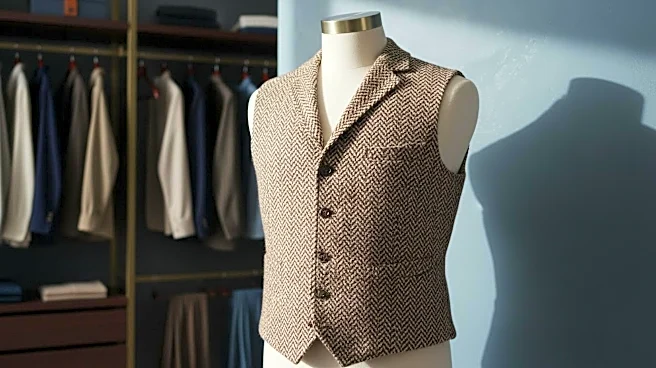
Once you know what to look for, you'll see the patch pocket across the entire style spectrum. It's the chest pocket on your flannel shirt, the dual hip pockets on a French chore coat, and the five-pocket setup on classic jeans. In menswear, it's the detail that separates a formal suit jacket (which typically uses jetted pockets) from a more casual sport coat. In womenswear, the simple act of adding patch pockets to a dress or skirt has become a celebrated symbol of functional design, so much so that "it has pockets!" has become a popular exclamation of approval. It's a testament to the pocket's perfect blend of form and function.