





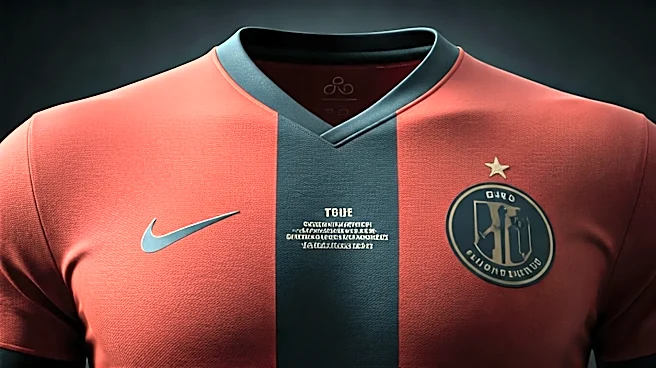



It’s Not Just Fabric, It’s History
First, understand this: a soccer jersey, or “kit” as it's known globally, is a time capsule. It represents a specific team, in a specific year, often tied to a legendary player or an unforgettable moment—a glorious victory or a heartbreaking defeat. For
longtime fans, wearing a kit from 1990 isn't just about looking cool; it's about signaling a deeper connection to their club or country's story. It says, “I know our history. I appreciate the players who came before.” In a world where new jerseys are released every single year, often with minor tweaks to a corporate template, these older, more distinctive designs feel more authentic. They were worn in an era before the hyper-commercialization of the modern game, and that perceived purity gives them a special weight. They are artifacts, tangible links to memories that define a team's identity.
The Allure of the Golden Era
Much of the throwback trend is rooted in a powerful sense of nostalgia for the 1980s, 1990s, and early 2000s. This period is often seen as a “golden age” for both soccer aesthetics and the on-field product. The kits were louder, more experimental, and unapologetically bold. Think of the wild geometric patterns, the oversized collars, and the baggy fits that defined the era. They were designed before sports science optimized every single thread for performance, allowing for more creative freedom and memorable visual identities.
This era also featured some of the sport’s most beloved icons—Maradona, Van Basten, Baggio, Zidane—making their jerseys synonymous with genius and flair. Wearing one is like playing a classic vinyl record instead of streaming an MP3; it’s a deliberate choice to connect with a different, perhaps more romantic, time in the sport's history.
From the Stands to the Streets
The trend isn't just for die-hard fans anymore. In recent years, retro soccer jerseys have exploded into mainstream fashion, a movement sometimes dubbed “blokecore.” Influencers, musicians, and fashionistas have adopted the soccer shirt as a versatile style piece, pairing it with jeans, cargo pants, or even dressier trousers. The appeal lies in its effortless cool, its colorful designs, and its subcultural roots. The jersey has become shorthand for a certain kind of casual, internationalist style.
This crossover has turned jerseys from clubs you may have never heard of into coveted items. It has also driven up prices for authentic vintage pieces and, more importantly, inspired brands like Adidas, Nike, and Puma to reissue classic designs for a new generation that appreciates the aesthetic as much as the history. It's a full-blown fashion movement.
Iconic Kits You Might See
To help you spot some legends in the wild, here are a few key examples.
**USA 1994 “Denim”:** Worn when the U.S. hosted the World Cup, this audacious, star-spangled design looks like faded blue jeans. It’s a masterpiece of '90s camp and patriotism that has swung from being mocked to being adored.
**West Germany 1990:** A clean, white jersey with a sharp, geometric German flag pattern across the chest. Worn as they won the World Cup in Italy, it is widely considered one of the most beautiful and perfect kits ever made.
**Netherlands 1988:** A brilliant orange canvas with a dizzying, abstract geometric pattern. This jersey was worn by legends like Ruud Gullit and Marco van Basten as they conquered the European Championship. It's the pinnacle of bold design matched with on-field success. Seeing one is like seeing a classic car; you know you're looking at something special.