


The Common Misconception of 'Simple'
In the modern fashion dictionary, “simplicity” often gets conflated with minimalism. It suggests clean lines, neutral palettes, and an absence of adornment. Think of a plain, well-fitting white t-shirt or a minimalist Scandinavian interior. While there’s
a definite beauty to this aesthetic, it doesn’t capture the soul of what makes a Zegna suit or a Brunello Cucinelli sweater so compelling. To label these garments as merely “simple” is to overlook the complex decisions that led to their creation. Simplicity suggests a lack of elements, a blank canvas. But Milanese menswear is not a blank canvas; it’s a finished masterpiece where the artist deliberately chose to leave some details to the imagination.
Defining the Power of Restraint
Restraint, on the other hand, is about conscious choice and quiet confidence. It’s not about having less; it’s about having the ability to do more and choosing not to. Restraint is a flex. It’s the designer who has access to the most luxurious fabrics, the most complex techniques, and the boldest patterns, but instead focuses on perfecting the silent virtues of a garment: the drape of the fabric, the roll of a lapel, the precise tension in a shoulder seam. It’s the sartorial equivalent of a powerful person who doesn’t need to raise their voice to command a room. This approach whispers luxury; it doesn't scream it. It assumes the wearer, and the observer, have the sophistication to appreciate what’s *not* there.
The Masters of Milanese Control
Look to the icons of Milan for proof. Giorgio Armani built an empire by deconstructing the men’s suit, removing its rigid armor but maintaining its authority through fluid, elegant lines. That wasn’t simplicity; it was a radical act of restraint, stripping away the unnecessary to reveal a new kind of power. Consider Ermenegildo Zegna, a brand that is, at its core, a world-class fabric mill. Their collections showcase an almost obsessive focus on textile innovation, where the story is told through the unparalleled handle of a cashmere-vicuña blend, not a loud print. Even Prada, known for its intellectual and often quirky bent, exercises restraint. Miuccia Prada might introduce a single “off” color or a slightly unconventional silhouette into an otherwise classic collection, demonstrating a surgeon’s precision. This single, controlled gesture has more impact than a cacophony of ideas, proving that the most memorable statements are often the most considered.
Dressing with Quiet Confidence
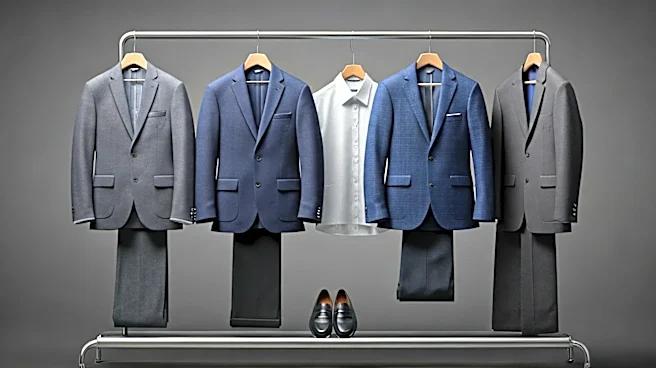
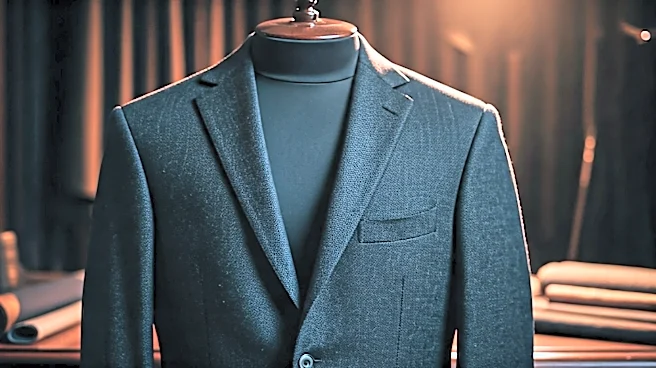
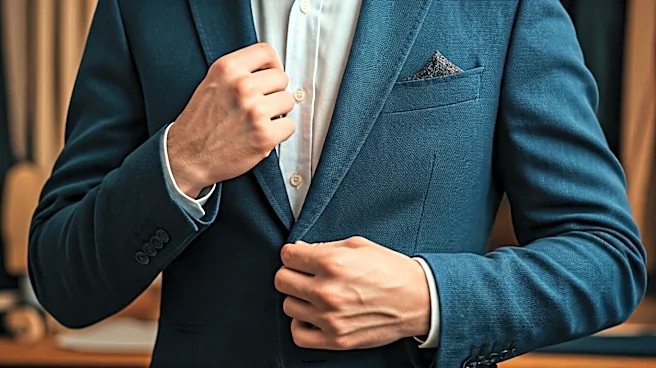
This philosophy offers a potent antidote to the chaotic, trend-driven cycle of modern fashion. In a world saturated with logomania, algorithm-fueled micro-trends, and the constant pressure to perform online, the Milanese ideal of restraint feels refreshingly adult. It’s a vote for longevity over disposability, for personal style over fleeting fads. It suggests that true confidence comes from within, not from the brand emblazoned across your chest. Choosing a perfectly tailored, unadorned navy blazer made from exceptional wool isn’t a “simple” choice. It’s a declaration that you value quality, fit, and the quiet authority that comes from knowing you’re wearing something exceptional, even if nobody else knows why.