




From Summer Explosions to Autumnal Angst
The cinematic year has two distinct halves. Summer is for spectacle. It’s the season of high-concept, plot-driven blockbusters where the premise can be summarized in a single, thrilling sentence. Think aliens, superheroes, and car chases. The marketing
for these films is equally direct, showing off the biggest action sequences and clearest stakes. But as the leaves change, so does Hollywood’s strategy. Fall marks the transition from pure commercial entertainment to prestige filmmaking. The movies released between September and December are often more complex, character-focused, and thematically ambitious. They aren’t selling a simple thrill ride; they’re offering an emotional and intellectual experience. This shift requires a completely different marketing language. You can’t distill a nuanced family drama or a slow-burn character study into a two-minute explosion-fest, so studios don’t even try. Instead, they sell you the one thing that translates instantly: the mood.
The Art of the Prestige Trailer
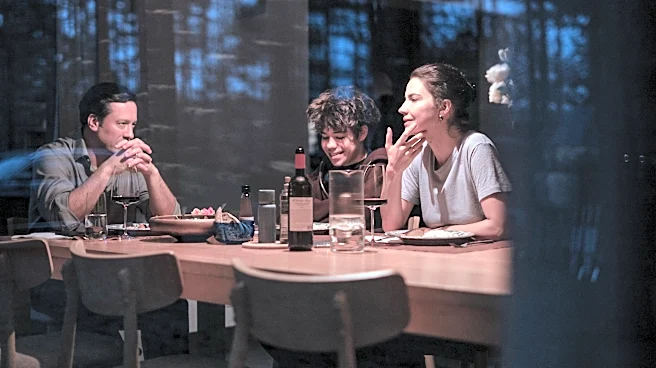
A trailer for a fall film is often a masterpiece of misdirection and suggestion. Its job isn't to tell you the story, but to make you feel the story. Marketers and editors carefully select shots for their aesthetic power over their narrative clarity. A windswept landscape, a character crying silently in a car, a tense dinner table where no one speaks—these images communicate tone. Music is the other key ingredient. Instead of a bombastic orchestral score, you’ll hear a sparse piano melody, a haunting acoustic track, or an ethereal electronic soundscape. This combination creates an atmosphere of seriousness and artistic merit. It’s a signal to the audience that they’re not just buying a ticket to a movie, but to a potential work of art. By withholding plot details, the trailer also fosters a sense of mystery and sophistication, inviting audiences to wonder about the deeper story and trusting them to be patient enough to find out in the theater.
Chasing Oscar Gold
There's a massive business calculation behind this moody marketing. The fall season is the official kickoff for the Academy Awards race. Studios strategically release their most critically acclaimed films from September onward to build and sustain buzz until Oscar nominations are announced. A film released in April has a long, difficult road to staying in the conversation. A film that premieres at the major fall festivals—Venice, Telluride, Toronto—and opens in October or November is perfectly positioned to capture the attention of critics and Academy voters. A moody, atmospheric trailer is an essential tool in this campaign. It functions as a sophisticated signal, telling voting members and film connoisseurs that this is a “serious film” worthy of their consideration. It separates the movie from the popcorn fare of the summer and places it squarely in the category of prestige cinema. Selling the mood is step one in positioning a film not just as entertainment, but as an awards contender.
Sweater Weather for the Soul
This strategy also works because it taps directly into our collective seasonal psychology. As the days get shorter and the weather cools, our own moods tend to shift. We spend more time indoors and often become more introspective. Psychologists note that autumn is a season strongly associated with nostalgia, reflection, and a desire for comfort and emotional connection. After a summer of social outings and high-energy activities, there's a natural inclination to slow down and engage with more thoughtful content. The film industry understands this. A somber, atmospheric movie feels right on a chilly October evening in a way a light-hearted summer blockbuster might not. The marketing promises an experience that matches the viewer's internal state—a cozy, reflective, and emotionally resonant evening on the couch or in a warm theater. The mood isn't just on the screen; it's all around us, and studios use that to their advantage.