



What Is Cottagecore, Anyway?
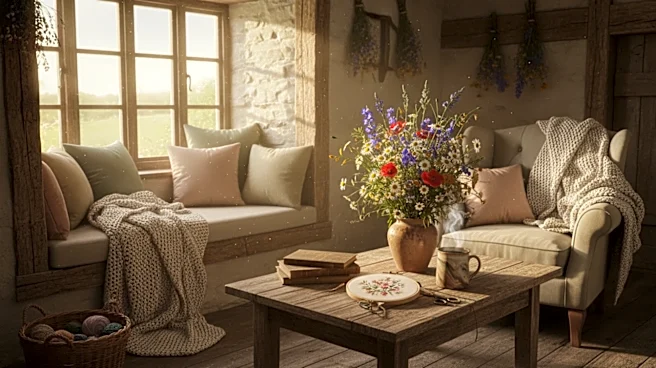
At its heart, cottagecore is a romanticized vision of a simpler, rural life. It’s an aesthetic built on nostalgia and a deep connection to nature, celebrating activities like baking, gardening, and crafting. In fashion, this translates to clothing that
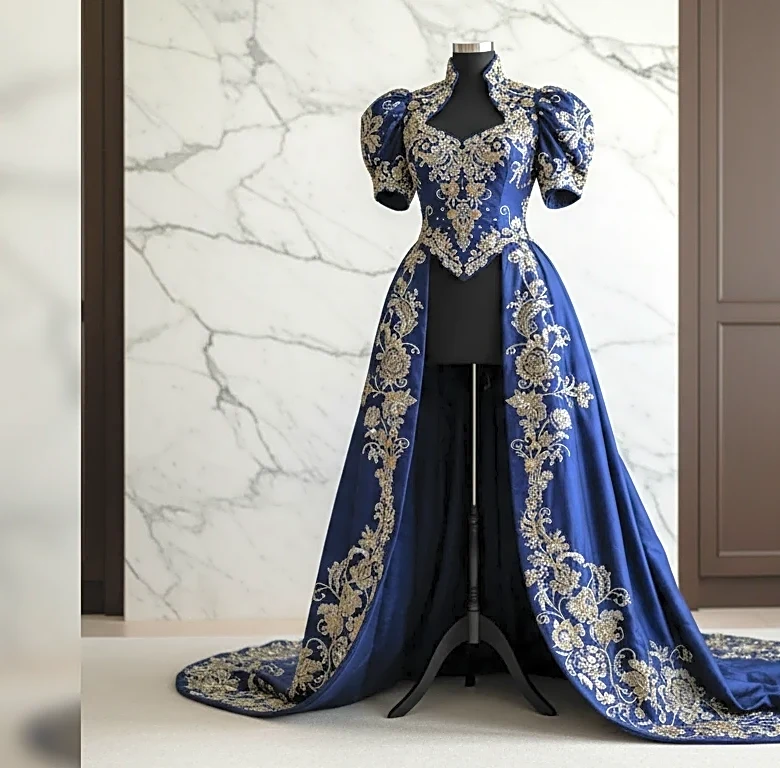
feels both whimsical and practical. Think flowing prairie dresses, puff sleeves, delicate floral prints, and natural fabrics like cotton and linen. It’s a direct rejection of the fast-paced, digital world, offering instead a sense of comfort, self-sufficiency, and handmade charm. The look is less about a specific time period and more about a feeling—one of pastoral tranquility, whether you live in a country farmhouse or a city apartment.
The Digital Roots of a Pastoral Dream
Ironically, this anti-modern aesthetic was born and cultivated online. The term "cottagecore" first appeared on platforms like Tumblr around 2018, gaining traction within niche communities, particularly among LGBTQ+ youth. It quickly spread to Instagram and Pinterest, where mood boards filled with sun-drenched meadows, vintage teacups, and handmade crafts created a powerful visual identity. This was not a trend dictated from the top down by legacy fashion houses; it grew organically from the internet up, a shared fantasy of escape and authenticity built by and for a generation fluent in digital culture but yearning for a tangible connection to the world.
The Pandemic-Fueled Phenomenon
If social media planted the seeds, the COVID-19 pandemic was the great accelerator that made cottagecore bloom. As stay-at-home orders went into effect in 2020, the lifestyle cottagecore idealized—baking sourdough, tending to houseplants, learning to knit—suddenly became a global reality. Confined to their homes, people sought comfort and a sense of control, and the aesthetic provided both. Engagement with cottagecore content exploded on platforms like TikTok and Tumblr. The flowing dresses and cozy knits weren't just clothes anymore; they were the unofficial uniform for a world in lockdown, a form of escapism and a way to find beauty and purpose amidst uncertainty.
From Niche to Mainstream Shelves
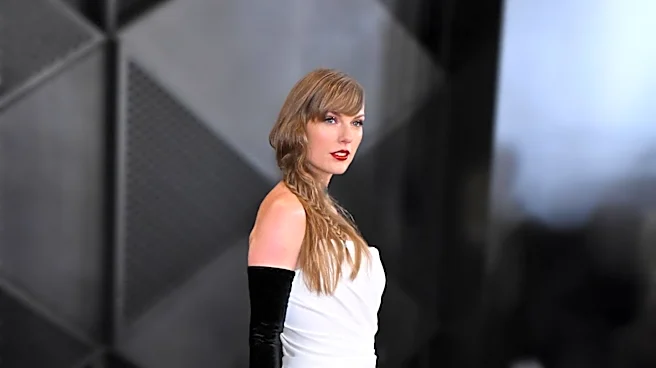
What started as a subculture quickly went mainstream. As demand surged, fast-fashion retailers and high-end designers alike began incorporating cottagecore elements into their collections. The viral sensation of Lirika Matoshi's $500 "strawberry dress" in the summer of 2020 was a clear sign that the aesthetic had arrived. Soon, puff sleeves, smocked bodices, tiered skirts, and gingham prints were everywhere, from online boutiques to major department stores. Even Taylor Swift’s 2020 albums, folklore and evermore, with their woodsy visuals and cozy cardigans, perfectly captured and amplified the cottagecore mood, cementing its place in the pop-culture firmament.
The Lasting Influence on Our Wardrobes
While the peak of prairie dresses may have passed, the impact of cottagecore on American closets is undeniable and ongoing into 2026. The trend has matured, evolving from a playful fad into a more sophisticated and enduring style. The core values it championed—comfort, sustainability, and personal expression—have become permanent fixtures in how a generation thinks about clothing. The emphasis on natural fabrics, looser silhouettes, and vintage or handmade items represents a significant shift away from the relentless churn of fast fashion. Today’s trends for "dark cottagecore" with its moodier palettes or the rise of "grandmacore" show how the aesthetic continues to evolve, proving it was more than just a fleeting moment. It was a quiet revolution that taught us to value clothes that not only look good, but feel good, too.